Jeetu Patel’s surprise bill audit is a small personal anecdote with a larger business lesson: AI is moving from chatbots and code assistants into practical financial tools that can cut wasted spending, automate routine tasks and make subscriptions easier to police in a digital economy built on recurring fees.
Cisco AI agent flagged $9,000 in subscriptions
Patel, Cisco’s president and chief product officer, said an AI agent reviewing his email flagged about $9,000 a year in subscription charges, including duplicate plans and services he no longer needed. The agent then helped cancel the extras, saving him roughly $1,000 to $1,200 a year, he told Business Insider. That kind of payoff helps explain why companies from Cisco to software peers are racing to embed AI into everyday workflows rather than limiting it to experimental pilots.
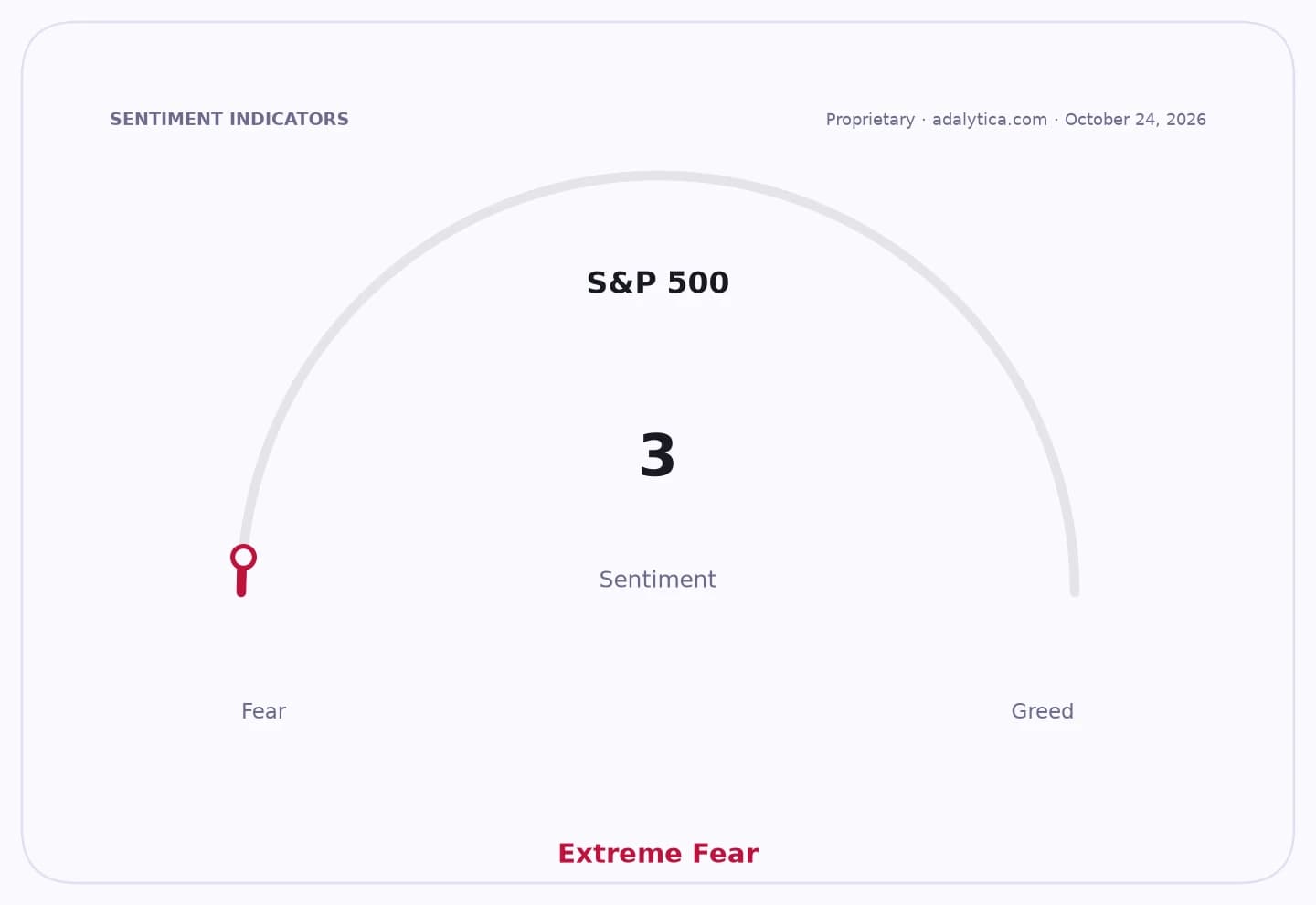
Sentiment Indicators
For investors, the significance is twofold. First, the story underscores the emerging consumer and enterprise use case for AI agents: they are not just answering questions, but acting on behalf of users by reading email, organizing bills and executing routine tasks. That expands the addressable market for AI software beyond high-profile generative tools and into subscription management, productivity and digital concierge services.
Second, it reinforces the pressure on software and internet businesses whose revenue depends on recurring billing. If AI agents make it easier for customers to identify duplicate services, downgrade plans or cancel unused subscriptions, retention could come under more scrutiny. That matters across a software sector already built around renewals, pricing power and net revenue retention, and it helps explain why businesses are likely to push AI as a value-added layer rather than a pure cost-cutting utility.
Patel’s comments also fit a broader corporate narrative at Cisco, which has been pitching AI as both a product opportunity and an operational lever. Cisco has said in filings that it is investing heavily in new technologies and that its financial performance can be affected by demand for, and costs of, software subscription offerings. The company has been integrating AI across networking, security and collaboration, betting that enterprise customers will pay for automation that reduces friction and improves efficiency.
The market backdrop shows investors remain focused on that balance between AI spending and return on capital. Cisco shares have been volatile even as the stock has traded above both its 50-day and 200-day moving averages at times this year, while momentum indicators such as RSI and MACD have swung sharply, reflecting shifting expectations around growth, margins and the payoff from AI investment. Peer software names including Salesforce and Autodesk have also moved on questions about subscription durability, AI monetization and customer willingness to renew.
Patel has argued separately that AI will reconfigure jobs rather than eliminate them outright, saying recently that the technology would create more roles even as some existing ones disappear. His personal subscription audit makes the same point in miniature: the most immediate economic impact of AI may come not from dramatic disruption, but from mundane savings, faster decisions and fewer wasted dollars.
For investors, the near-term catalyst is whether AI agents can move from novelty to measurable productivity gains for customers and margins for vendors. If they can, software companies may see stickier usage and new monetization. If they cannot, the risk is that AI remains a cost center at a time when markets are demanding proof of returns.
| Entity | Gains | Losses |
|---|---|---|
| Cisco | ▲AI product credibility | ▼Low-friction subscription waste |
| Consumers | ▲Lower recurring bills | ▼Duplicate or unused services |
| Software vendors | ▲Higher AI adoption | ▼Easier cancellations/renewal pressure |
| AI agent providers | ▲New use cases | ▼Skepticism over privacy and utility |