Enterprise software is becoming a hidden tax on AI investment, and that is a real problem for companies trying to turn technology spending into growth.
Enterprise Software Costs Delay AI Spending
A new report from Origina, based on a survey of 2,018 senior IT decision-makers in the U.S. and U.K., says vendor-driven upgrades, migrations and licensing changes now consume an average of 28% of software budgets. More importantly for investors, 34% of respondents said those costs contributed heavily to delaying, pausing or canceling AI or data initiatives, while another 56% said they played a moderate role. When nearly all of the respondents say unwanted software changes are draining cash from innovation, hiring and security, this stops being an IT nuisance and starts looking like a margin and growth issue.
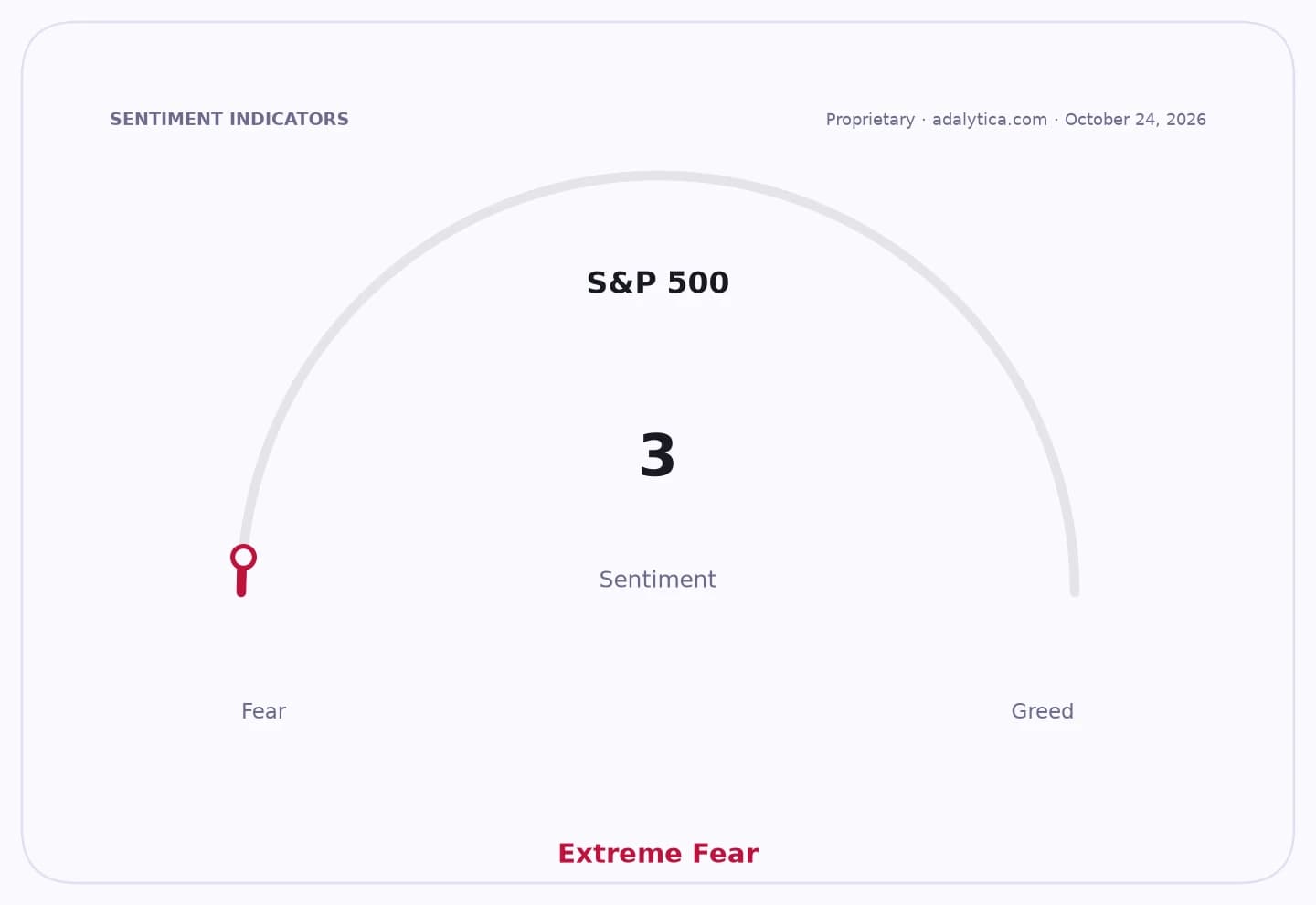
Sentiment IndicatorsⓘProprietary · adalytica.com · October 24, 2026
This is a snapshot — live sentiment, awareness and momentum for 130+ markets update continuously in the dashboard.Open AlphaPulse
That matters because the AI boom is supposed to be powered by rising enterprise demand for cloud, databases, analytics and workflow software. But if companies are forced to spend more just to keep legacy systems supported, they have less flexibility to buy new AI tools, modernize infrastructure or hire the engineers who actually build the next generation of products. Origina’s report found the most recent vendor-driven change cost organizations an average of $12.87 million, a hefty sum even for large enterprises. It also found 95% of respondents had paid for a vendor-driven upgrade, migration or licensing change in the past three years that they believed reduced performance, reliability or business value.
For investors, the key issue is not just customer frustration — it is pricing power. Vendors such as Microsoft, Oracle and Salesforce have long benefited from the sticky nature of enterprise software, where switching costs keep customers in place. That moat is still real. But the report suggests the economics of that moat are getting more controversial, and perhaps more politically exposed. Seventy-eight percent of IT leaders said their primary software vendor, not their own organization, determined the timing and terms of changes, while 76% said they had little negotiating leverage. If that dynamic keeps fueling resentment, customers may push harder for shorter contracts, stronger exit terms, or more open regulatory scrutiny.
The strain is showing up in wasted resources too. About 84% of respondents said senior engineering talent always or often spent time on vendor-driven upgrades instead of future capabilities, and 91% said their organizations had scrapped functional hardware solely to meet a software vendor’s support deadline. That is not just inefficient — it is capital destruction. For a business world already trying to fund AI infrastructure, data centers and cybersecurity, losing 1.65 years of useful hardware life on average is exactly the kind of expense that slows compounding.
The report also hints at a broader policy debate. Ninety-one percent of respondents backed legislation that would give enterprise software customers protections similar to those enjoyed by long-term residential renters. That is not likely to become law overnight, but it shows where the pressure may build if enterprise buyers keep feeling boxed in by vendor rules.
The biggest takeaway for long-term investors is that enterprise software remains a powerful industry, but the best businesses will be the ones that help customers innovate rather than force them into costly churn. Microsoft still has scale and a deep ecosystem, Oracle still has an entrenched installed base, and Salesforce still sits in the center of corporate workflows. But the next phase of the story may be about whether these companies can keep extracting recurring revenue without slowing the very AI spending that supports their own future growth.
For patient investors, this is less a reason to abandon the sector than a reason to watch contract economics, customer retention and AI adoption closely. In the long run, the winners will be the platforms that lower complexity and raise productivity. That is worth keeping on your watchlist.
| Entity | Gains | Losses |
|---|---|---|
| Enterprise software vendors | ▲Sticky revenue and pricing power | ▼Customer goodwill and scrutiny |
| Corporate IT buyers | ▲Better leverage if they negotiate hard | ▼Budget flexibility for AI, hiring and security |
| Microsoft, Oracle, Salesforce | ▲Recurring support and license income | ▼Risk of pushback on upgrades and terms |
| AI and data programs | ▲Potential demand if costs ease | ▼Funding pressure when software bills rise |