The Australian federal government says it has spent about A$440 million on Microsoft licences but cannot say how many are in use, a spending gap that matters far beyond one supplier contract because it goes straight to digital efficiency, budget discipline and taxpayers’ return on investment.
Microsoft Australia Licences Spending and Usage Gap
For investors, the issue is less about one line item than about a familiar theme across enterprise software: recurring revenue is attractive, but only if customers are actually extracting value. When governments cannot track usage, they are also unlikely to be optimising seat counts, renegotiating terms or curbing waste. That can keep big software vendors' public-sector revenue streams sticky, but it also increases political pressure for procurement scrutiny and more aggressive cost controls.
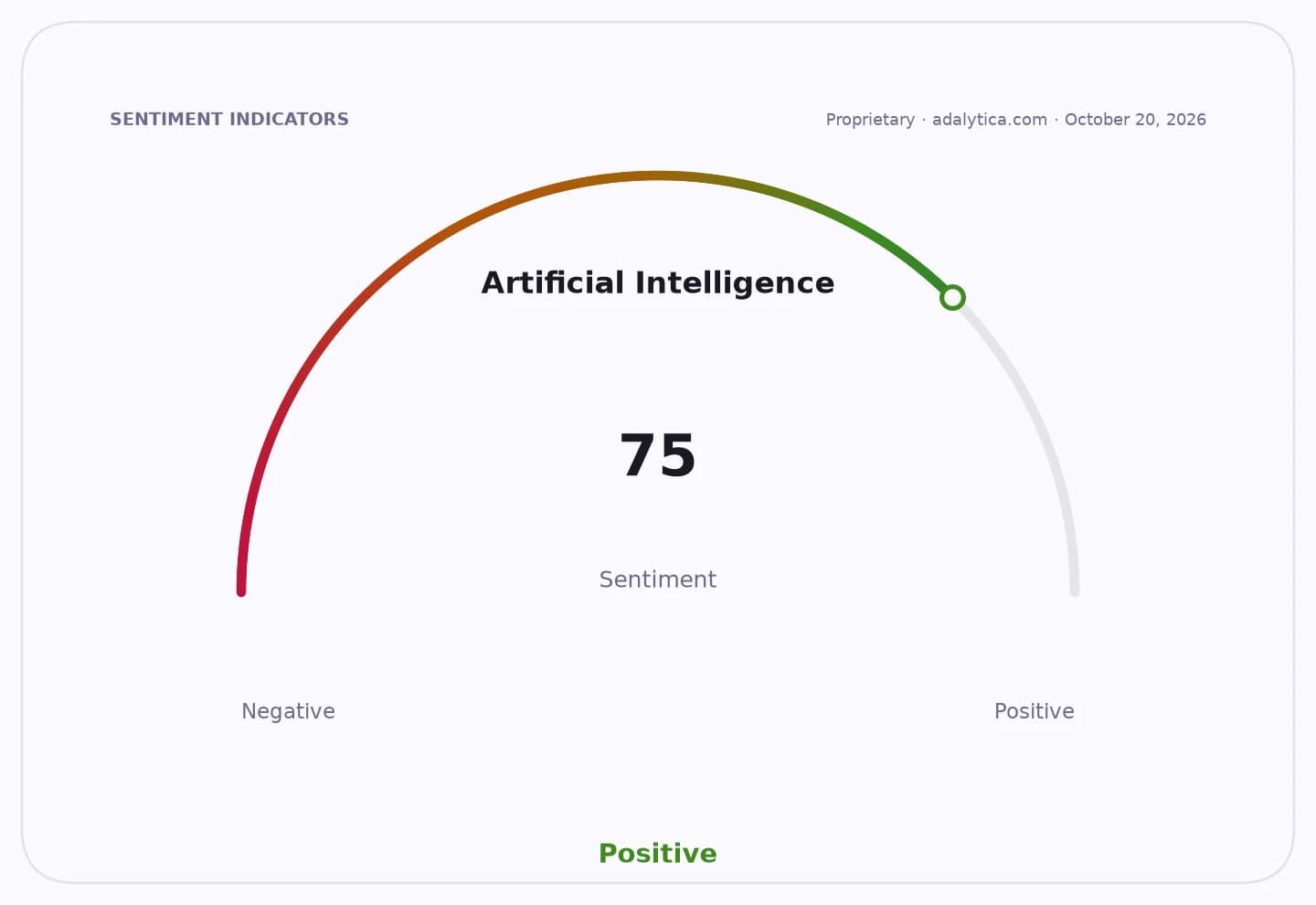
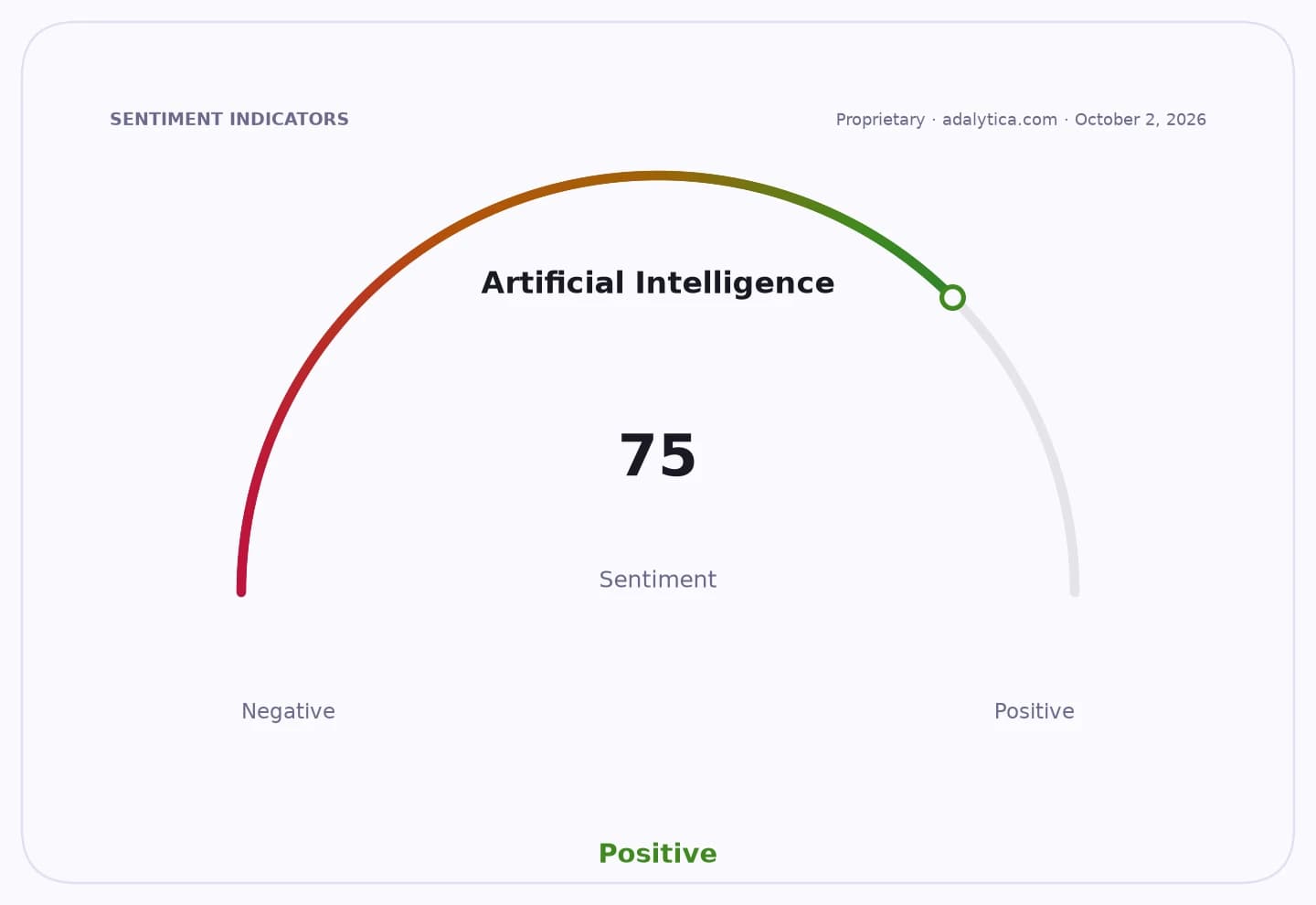
Sentiment IndicatorsⓘProprietary · adalytica.com · October 20, 2026
This is a snapshot — live sentiment, awareness and momentum for 130+ markets update continuously in the dashboard.Open AlphaPulse
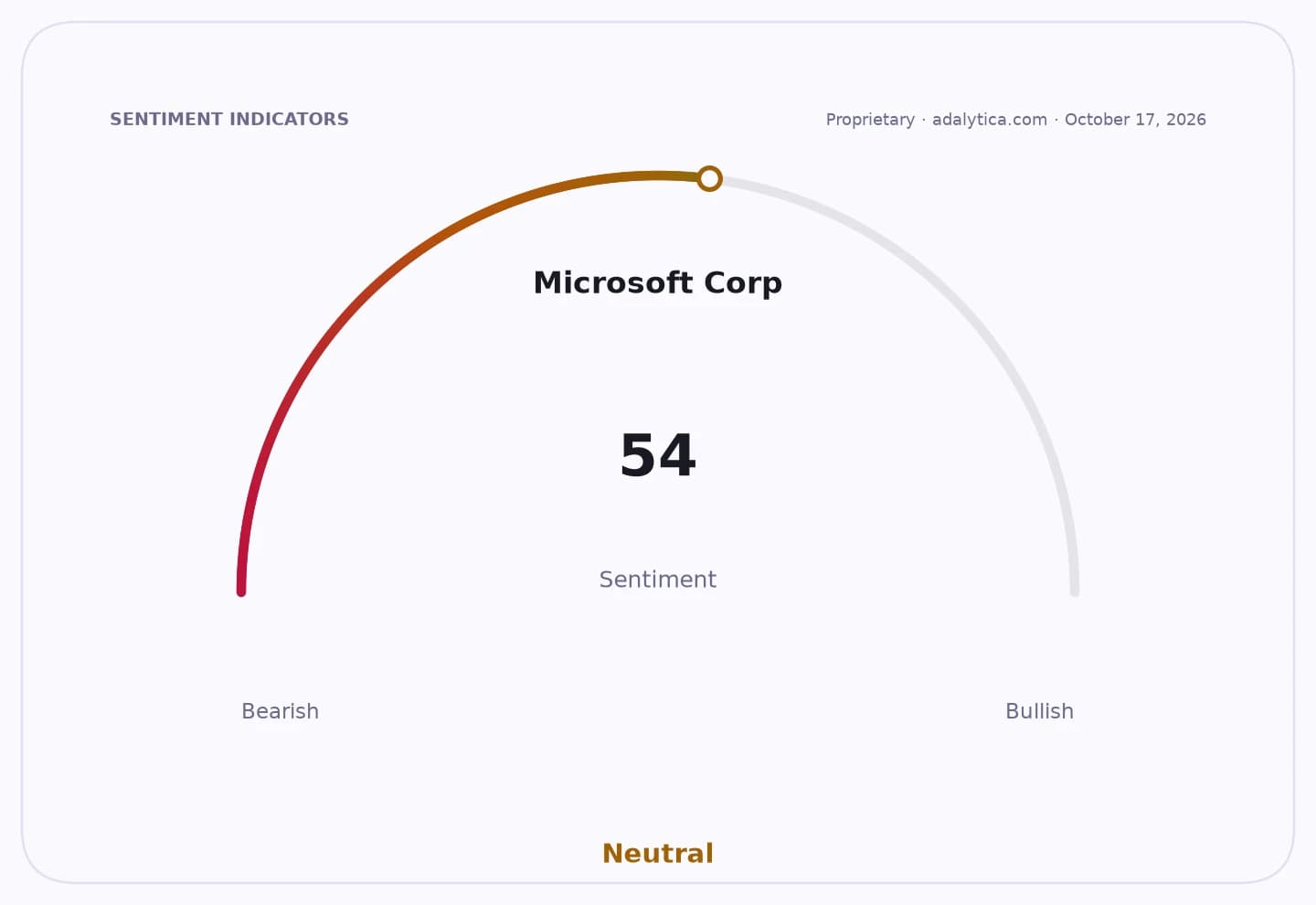
The concern lands at a delicate time for Microsoft, whose shares have been volatile even as the company remains one of the market’s most important AI and cloud franchises. Microsoft stock closed at $529.05 on Oct. 16, far above its 200-day average of about $434, but below its recent highs, suggesting investors are still weighing strong long-term growth against elevated spending on AI infrastructure and questions around margins. Adalytica’s Microsoft Earnings Sentiment gauge sits at 89, or “Extreme Greed,” showing enthusiasm remains high even as the shares have pulled back from peak levels.
That combination is what makes the licence question worth watching. Microsoft has spent years moving customers from one-off software sales to subscriptions and cloud services, a model that rewards scale and renewal rates. Government contracts are especially valuable because they are often large, long-dated and relatively resilient. But if buyers cannot measure deployment properly, then the commercial logic that supports those contracts becomes vulnerable to criticism from auditors, lawmakers and budget hawks.
The broader economic story is simple: governments everywhere are under pressure to show they are not overpaying for software they do not fully use. That matters because public-sector technology spending is funded by taxpayers, and because procurement reforms can ripple through the entire enterprise software market. If Australia tightens oversight, other governments may follow. If that happens, vendors from Microsoft to Oracle and other software suppliers could face tougher scrutiny over seat licensing, renewals and contract transparency.
For Microsoft investors, this is not a thesis breaker. The company’s scale, enterprise relationships and cloud ecosystem remain formidable. But it is a reminder that even the best software franchises face pressure when customers start asking how much value they are really getting. Over the next several years, the winners in enterprise software are likely to be the vendors that can prove usage, quantify productivity gains and make it easy for buyers to justify renewals. That is worth adding to the watchlist, not because Microsoft is in trouble, but because accountability is becoming part of the growth story.
| Entity | Gains | Losses |
|---|---|---|
| Australian government taxpayers | ▲Better scrutiny of waste | ▼Weak visibility on software use |
| Microsoft | ▲Sticky public-sector revenue | ▼More procurement pressure |
| Public-sector auditors | ▲Stronger case for reform | ▼— |
| Oracle and peers | ▲Chance to win on transparency | ▼Higher scrutiny on licensing models |