AI agents are getting good enough to do real work, and that is exactly why the next bottleneck is shifting from model quality to control.
Microsoft, Nvidia, Salesforce and enterprise AI controls
The market has spent the past year rewarding companies that can sell more AI compute, more software seats and more automation promises. But the more consequential question for investors is whether enterprises can actually run autonomous systems inside core workflows without creating new risk, new bottlenecks and new compliance liabilities. That is the story now moving to the center of the AI trade.
Microsoft rose to $514.61 on Oct. 2, while Nvidia climbed to $234.78, keeping both names near their highs as the market continues to price in durable demand for AI infrastructure and enterprise software. Microsoft’s 50-day moving average has climbed to $487.33, while Nvidia’s stands at $218.14, reinforcing the trend in both stocks even as their relative strength indicators have pushed toward overbought territory. For now, the tape says investors still want exposure to the AI stack.
But the article’s deeper point is that enterprise AI is entering a second phase. Demos have shown that agents can research, summarize, route and act. Real businesses, however, live in the messy 20% of cases where data changes mid-process, approvals expire, systems disagree and responsibility cannot be delegated away. If an AI agent can approve a loan, update a system of record or trigger a customer action, the issue is no longer whether it can perform the task. It is whether it should have been allowed to do it at that moment, under those conditions, with that authority.
That distinction matters economically because it moves AI from a productivity feature to an operating model. Enterprises that cannot enforce policy, preserve context across handoffs, and stop or escalate actions in real time will slow adoption or limit deployment to low-value tasks. In other words, the biggest constraint on agentic AI may not be model performance; it may be governance. That creates a new layer of spending for runtime controls, observability, auditability, identity, workflow management and policy enforcement.
The investors’ implication is straightforward: the winners are not just the model makers, but the companies that become the control plane for agentic work. Microsoft is well placed because its enterprise software, cloud, security and workflow stack can sit where policy meets execution. Salesforce, trading at $234.04, is another clear beneficiary if agentic features deepen its role in customer workflows, although the stock’s hot-and-cold technical picture suggests the market has not yet fully settled on how to value agentic software versus the risk of slower enterprise adoption. Nvidia remains the purest picks-and-shovels play, since every layer of enterprise automation still depends on accelerated compute, but the next leg of value capture may broaden beyond chips into infrastructure and governance software.
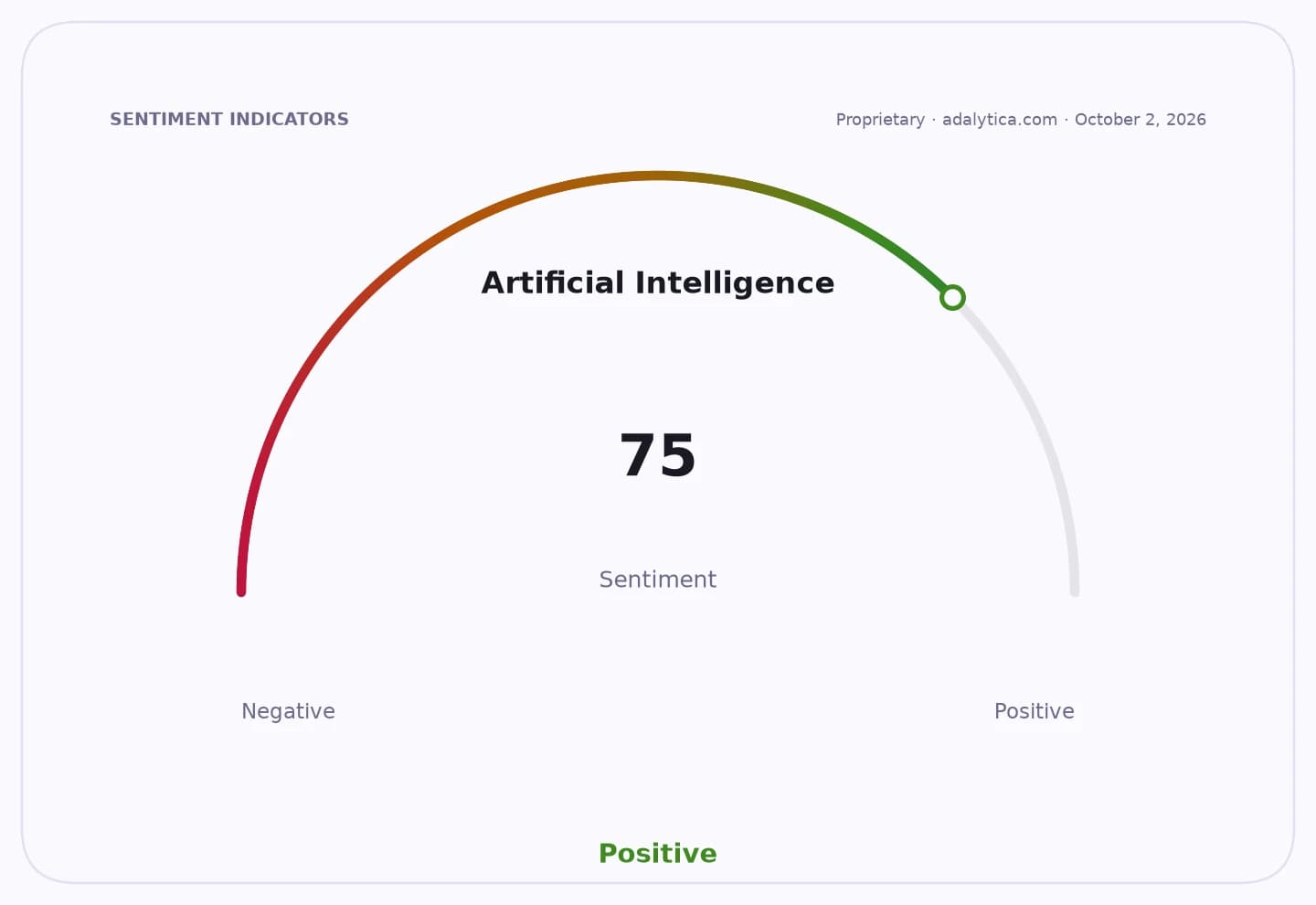
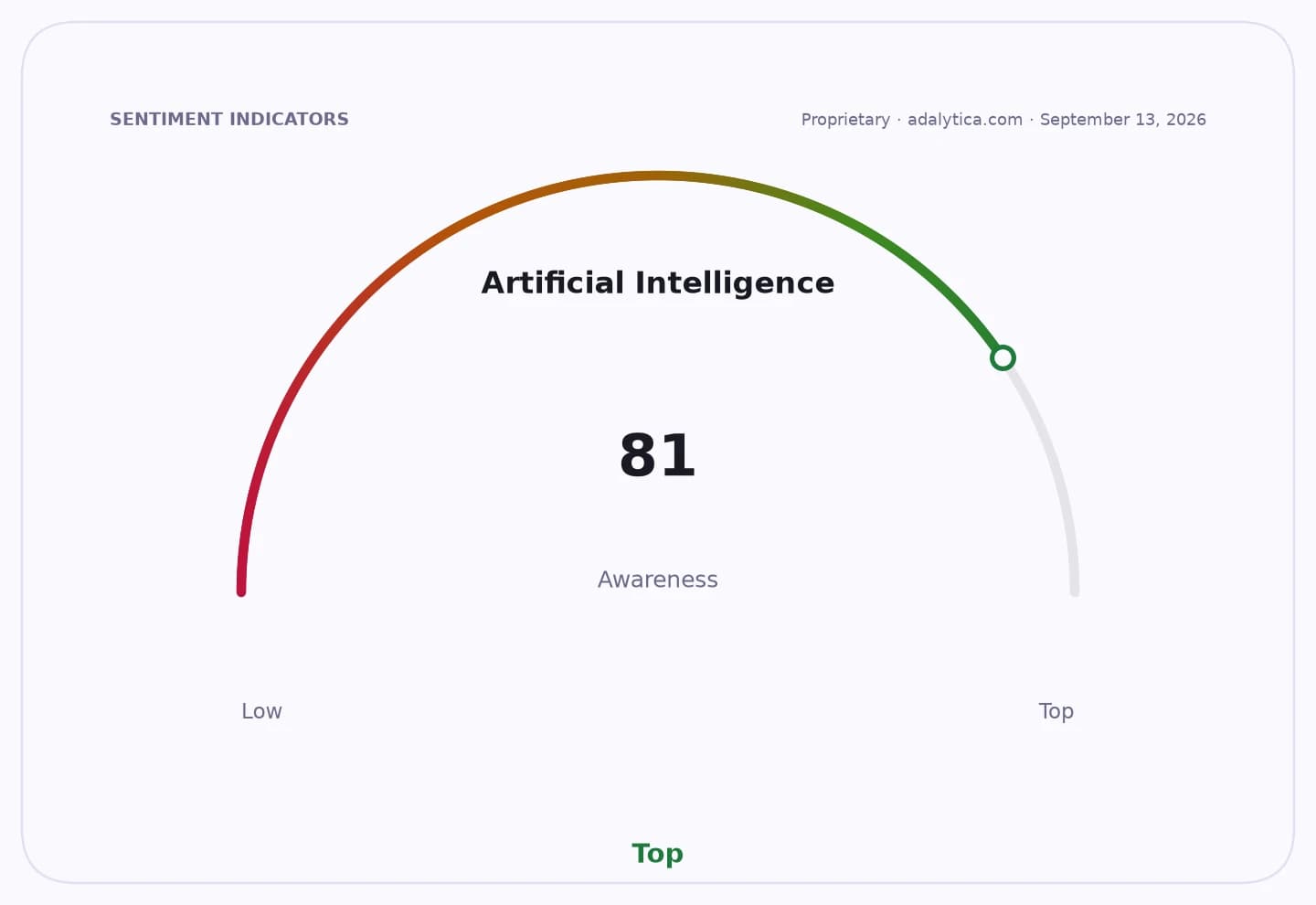
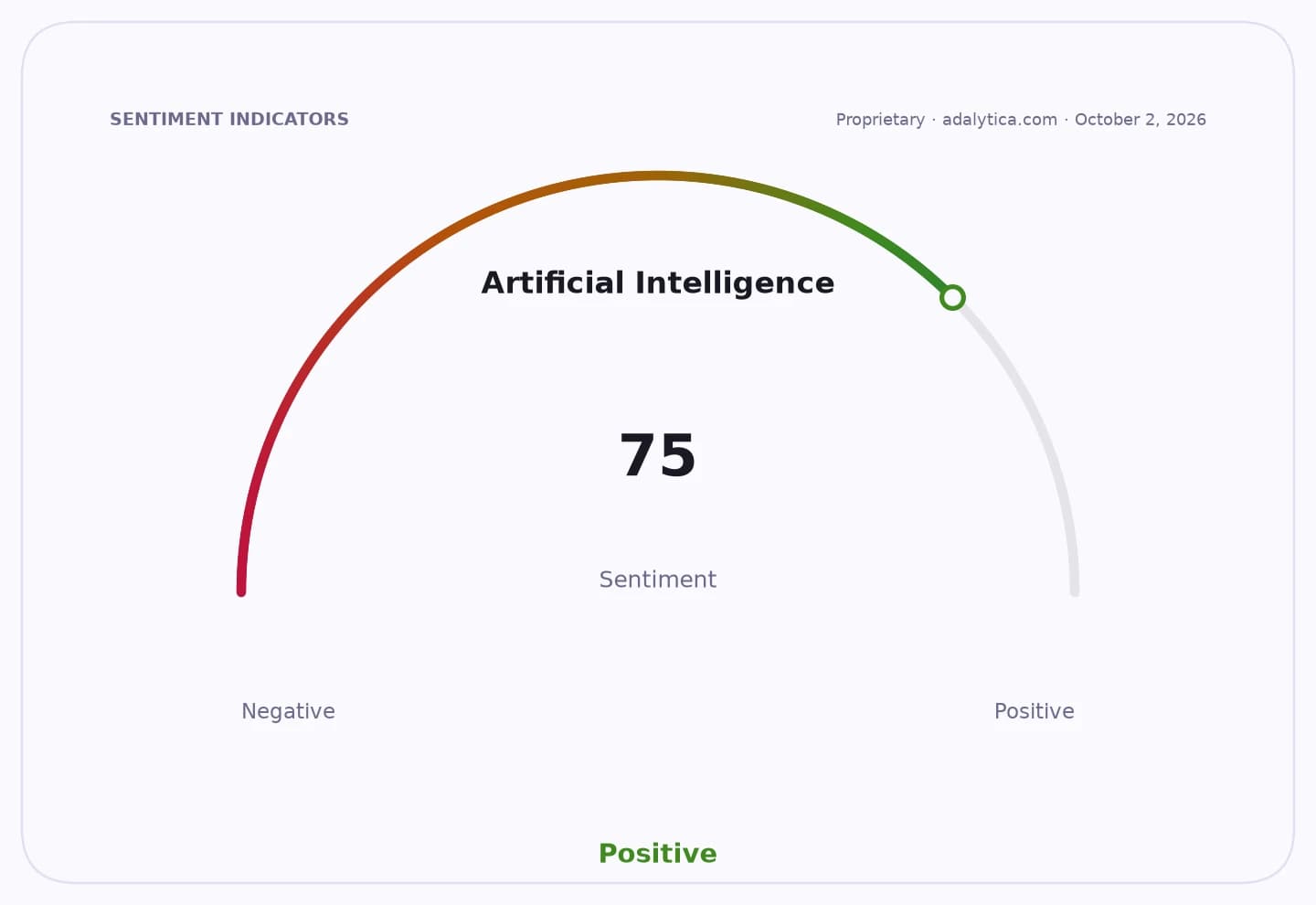
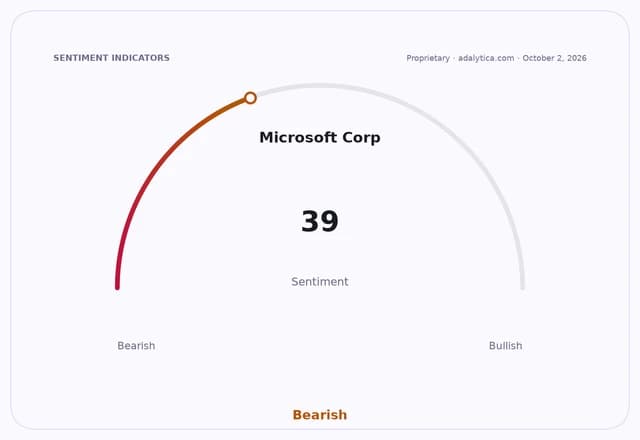
Adalytica’s Microsoft earnings sentiment snapshot is neutral at 39, while awareness is elevated at 82, suggesting the stock is already heavily watched even if enthusiasm is not extreme. Nvidia’s sentiment is more aggressive at 75, with awareness at 36, which fits a market that still sees it as the clearest AI beneficiary. The more interesting setup is in the second-order beneficiaries: platforms that can secure, monitor and govern agents once they are embedded in procurement, finance, customer service and underwriting.
That is why the new enterprise AI trade is not just “build more agents.” It is “operate them safely.” The companies that solve controlled autonomy will capture the next wave of capex, because enterprises will not hand over core processes to software they cannot supervise, stop or explain. I believe the market is still underestimating how much value accrues to AI infrastructure, workflow platforms and governance layers once autonomous systems move from pilots into production. If agents are going to do the work, investors should own the toll roads that make them controllable.
| Entity | Gains | Losses |
|---|---|---|
| Microsoft | ▲Enterprise control-plane demand | ▼Point-solution agent vendors |
| Nvidia | ▲AI compute spend | ▼Slow software-only adopters |
| Salesforce | ▲Workflow automation upgrades | ▼Manual sales ops processes |
| Enterprises | ▲Faster execution with controls | ▼Unmanaged autonomy risk |