A Chhattisgarh anti-corruption probe says the coal levy network at the center of a years-long graft scandal was seeded with a 5 crore rupee loan and expanded into an illegal enterprise worth about 500 crore rupees, deepening the political and financial fallout of one of the state’s biggest corruption cases.
Chhattisgarh coal levy probe cites Rs 5 crore loan
The Economic Offences Wing’s supplementary charge sheet matters because it moves the case beyond a generic allegation of bribery and into the mechanics of how an alleged extortion system was financed, staffed and scaled. If sustained in court, the agency’s claims suggest the syndicate was not a loose collection of transactions but a structured operation with offices, vehicles, employees and intermediaries built to extract money from coal transport and washing businesses.
Sentiment IndicatorsⓘProprietary · adalytica.com · October 22, 2026
This is a snapshot — live sentiment, awareness and momentum for 130+ markets update continuously in the dashboard.Open AlphaPulse
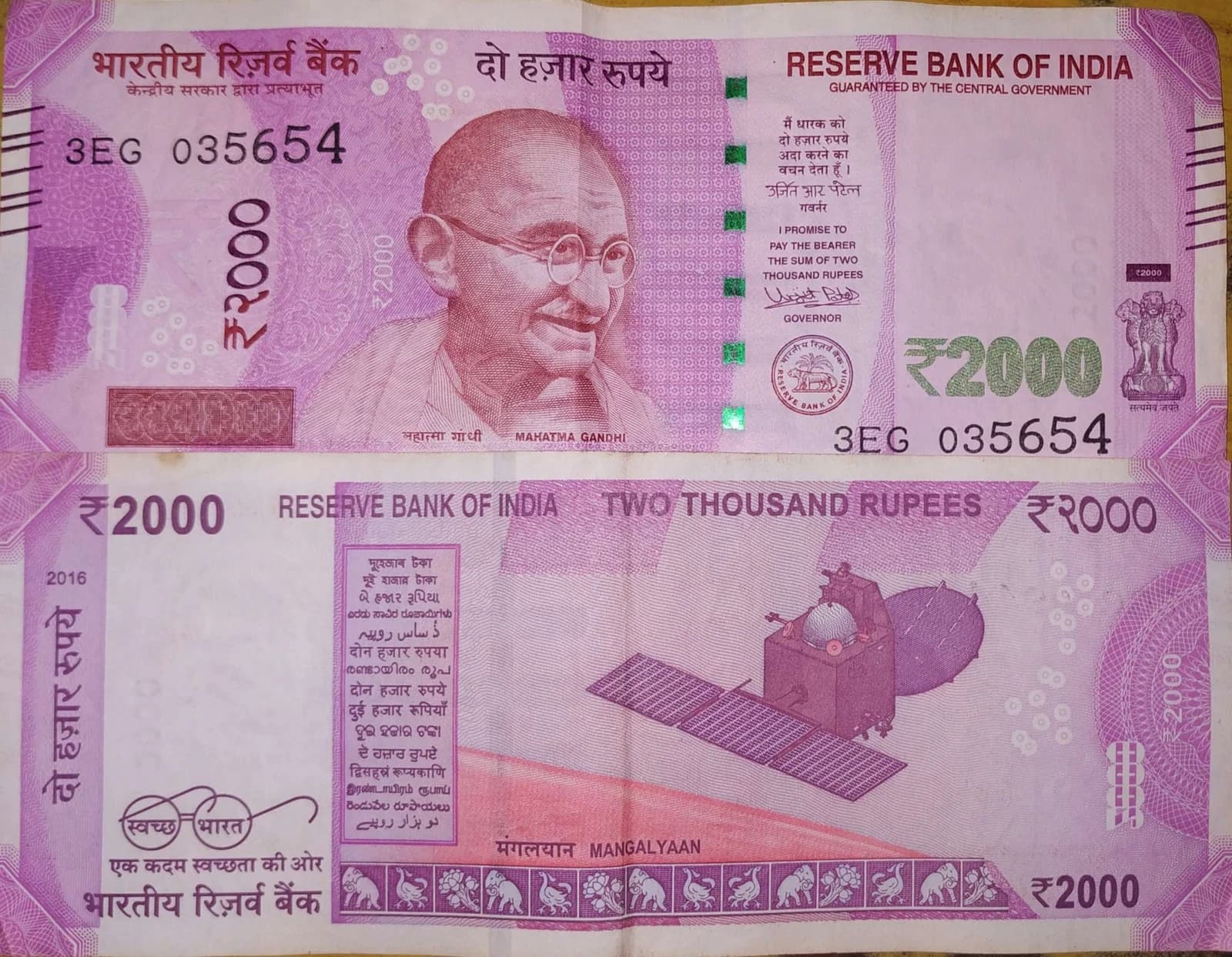
According to the filing, the initial capital came in May and June 2020 through a 5 crore rupee loan from Bhilai businessman Pappu Bansal, which was then routed to the main accused, Suryakant Tiwari. Investigators say that funding helped establish the administrative apparatus for what became an organized collection network across districts. The agency also says it found 1,028 handwritten entries in Tiwari’s diary accounting for roughly 500 crore rupees in transactions, a detail that, if proven, would indicate a scale far beyond isolated kickbacks.
The charge sheet also revives the political dimension of the case. It cites a WhatsApp exchange dated June 15, 2019, between then-mines secretary Ambalgan P. and retired IAS officer Anil Tuteja, linked to a confidential raid on coal washers in Korba. One message reportedly said in English that the then chief minister had full knowledge of the matter. Investigators have used that exchange to argue that the collection system had access to senior administrative channels, which raises the stakes for former officials named in the probe.
For investors, the immediate relevance is less about the daily movement of coal prices than about governance risk in India’s resource sector. Coal remains critical to power generation, heavy industry and state revenues, and any allegation that transport or washing logistics were being monetized through a parallel levy system can distort operating costs, procurement relationships and compliance burdens. The broader implication is that political interference in commodity supply chains can create hidden taxes that outlast the scandal itself, affecting miners, washers, logistics providers and downstream users.
The case also lands against a backdrop of heightened scrutiny of corruption and institutional capture. For the state government, the investigation is a test of whether enforcement agencies can translate paper trails and digital records into convictions. For companies operating in coal-linked businesses, the risk is that the scandal sharpens oversight, slows approvals and increases due-diligence costs. For markets, it is a reminder that in India’s regulated sectors, governance headlines can move as much sentiment as fundamentals.
The next catalyst will be whether the supplementary charge sheet produces fresh arrests, corroborating witness testimony or stronger documentary evidence tying the money trail to officials and political intermediaries. Until then, the core question for the courts is whether the 5 crore loan was merely seed money for a criminal enterprise or the first traceable link in a much wider corruption architecture.
| Entity | Gains | Losses |
|---|---|---|
| EOW / investigators | ▲stronger case narrative | ▼burden of proving money trail |
| Accused syndicate network | ▲short-term leverage from alleged extortion | ▼criminal exposure, asset seizure risk |
| Coal transporters / washers | ▲potential cleaner bidding environment | ▼higher compliance and scrutiny |
| State government / officials named | ▲political defence if charges fail | ▼reputational damage, legal pressure |