Political spending groups backed by billionaire money poured nearly $12 million into Chicago’s first fully elected school board races to blunt the Chicago Teachers Union, but in several districts the effort translated into eye-watering costs per vote and still ended in defeat.
Chicago school board races cost anti-CTU groups $11.9M
The biggest spender, Common Ground Collective, laid out about $7 million through Nov. 2 and in some losing contests spent as much as $76 per vote, according to a Chicago Sun-Times analysis of PAC and super PAC filings and vote totals. The Illinois Network of Charter Schools added another $4.4 million, pushing anti-CTU spending aimed at candidates the union opposed to $11.9 million with The Urban Center included.
Sentiment Indicators
The money mattered because Chicago’s school board elections were supposed to test whether outside cash could offset the CTU’s built-in advantages: its field operation, incumbency, and long-standing voter ties. Instead, the spending produced mixed results, helping in a few high-profile races but failing to deliver the broad anti-union majority the donors appeared to want.
The clearest example was District 3a on the Northwest Side, where spending on Peter Gonzales’ loss worked out to about $76 per vote. In District 1b, Common Ground spent about $473,000 backing Michelle Pierre, or roughly $71 per vote, and still lost. In southwest District 7a, outside spending on Jesus Ayala Jr. came to about $56 per vote in a race that remains too close to call.
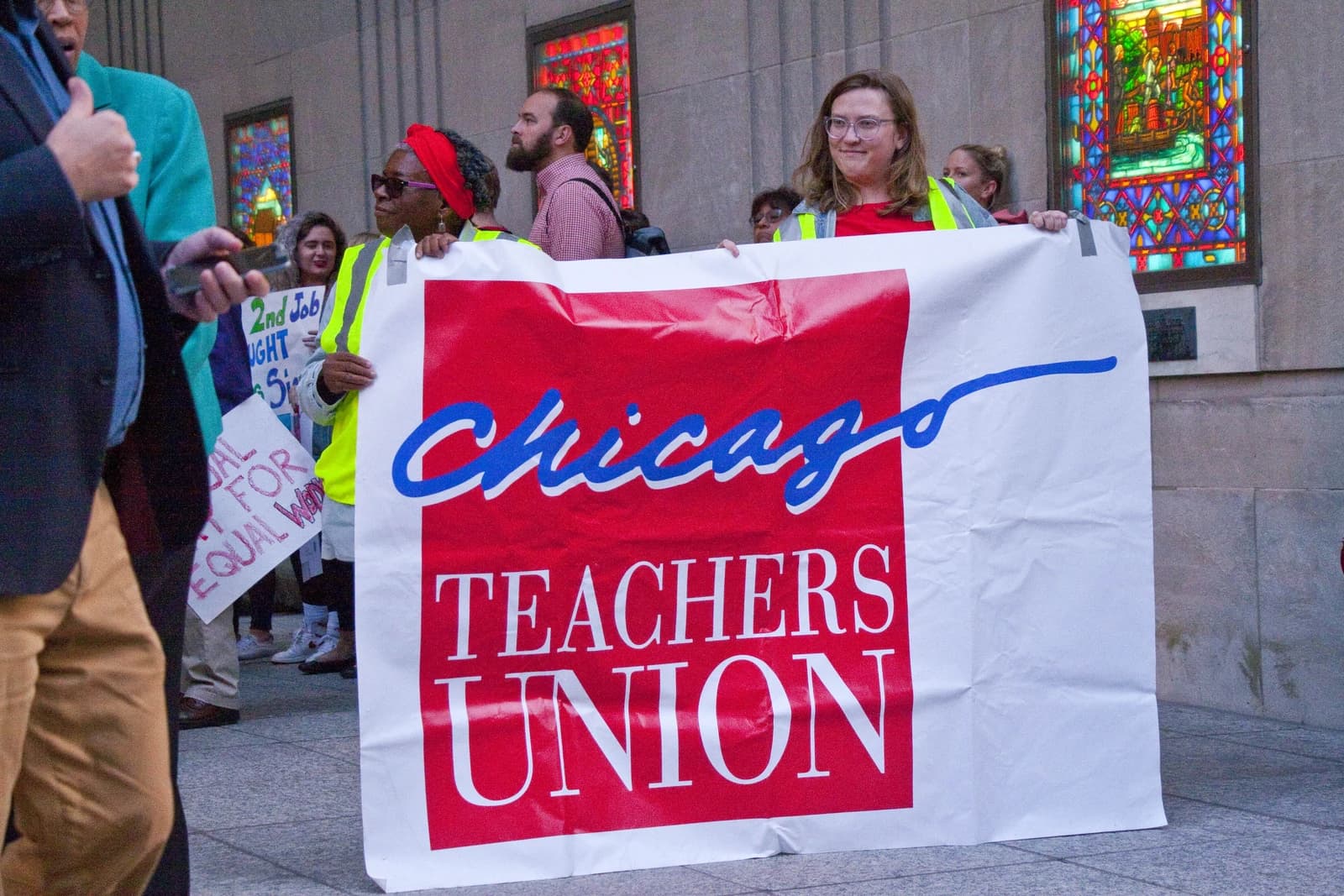
By contrast, CTU-backed candidates won several contests with far less outside support, with the union spending under $4 per vote in winning races. CTU and the Our Schools PAC spent more than $2.6 million through Nov. 2, and unlike the billionaire-backed groups, the union had no super PAC.
The spending did help elect Jessica Biggs as board president, with the pro-Biggs effort costing about $16 per vote. Common Ground and other anti-CTU groups also helped unseat incumbent Aaron “Jitu” Brown in one of the most visible upset losses of the night.
That outcome matters beyond Chicago because it shows how independent expenditure campaigns can reshape local governance without guaranteeing control, even when funding is large relative to the race. It also underscores a broader political risk for wealthy donors: in a year when voters were already sensitive to big-money influence, some candidates say the outside spending may have turned into a liability.
For investors and business backers watching education policy, charter school access, labor power and city politics, the result suggests the CTU remains a durable force even under a heavily funded counteroffensive. The final board balance will become clearer as four races remain too close to call, but the early count suggests the union could still win as many as 10 of 20 seats.
| Entity | Gains | Losses |
|---|---|---|
| Chicago Teachers Union-backed candidates | ▲Lower-cost wins | ▼Faced heavy outside attacks |
| Common Ground Collective / Michael Sacks | ▲Won board president race | ▼Paid up to $76 per vote in losses |
| Illinois Network of Charter Schools | ▲Some anti-CTU influence | ▼Heavy spending, limited control |
| Chicago voters / taxpayers | ▲More board competition | ▼More money-driven campaigns |