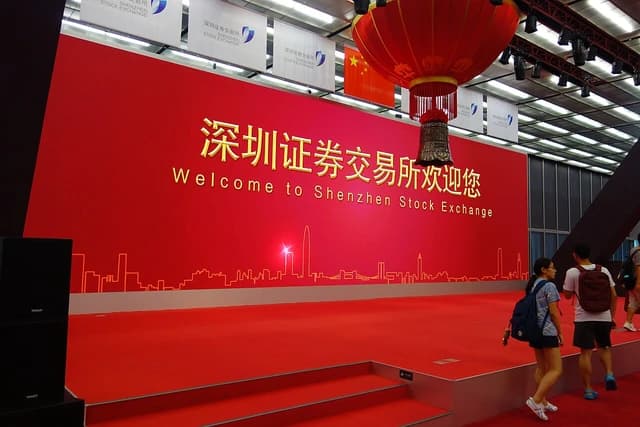
China’s stock-market backstop is getting traction, but not yet enough to produce a convincing rally.
China PBOC buyback program tops 200 billion yuan

Applications for the People’s Bank of China’s share buyback and stake-increase relending program have topped 200 billion yuan, or about $30 billion, underscoring demand for cheap central bank-backed funding after the mainland market’s sharp October slump. The scheme is designed to steady prices by making it far cheaper for listed companies and controlling shareholders to repurchase stock or lift stakes, rather than for the PBOC to buy equities directly.
Sentiment Indicators
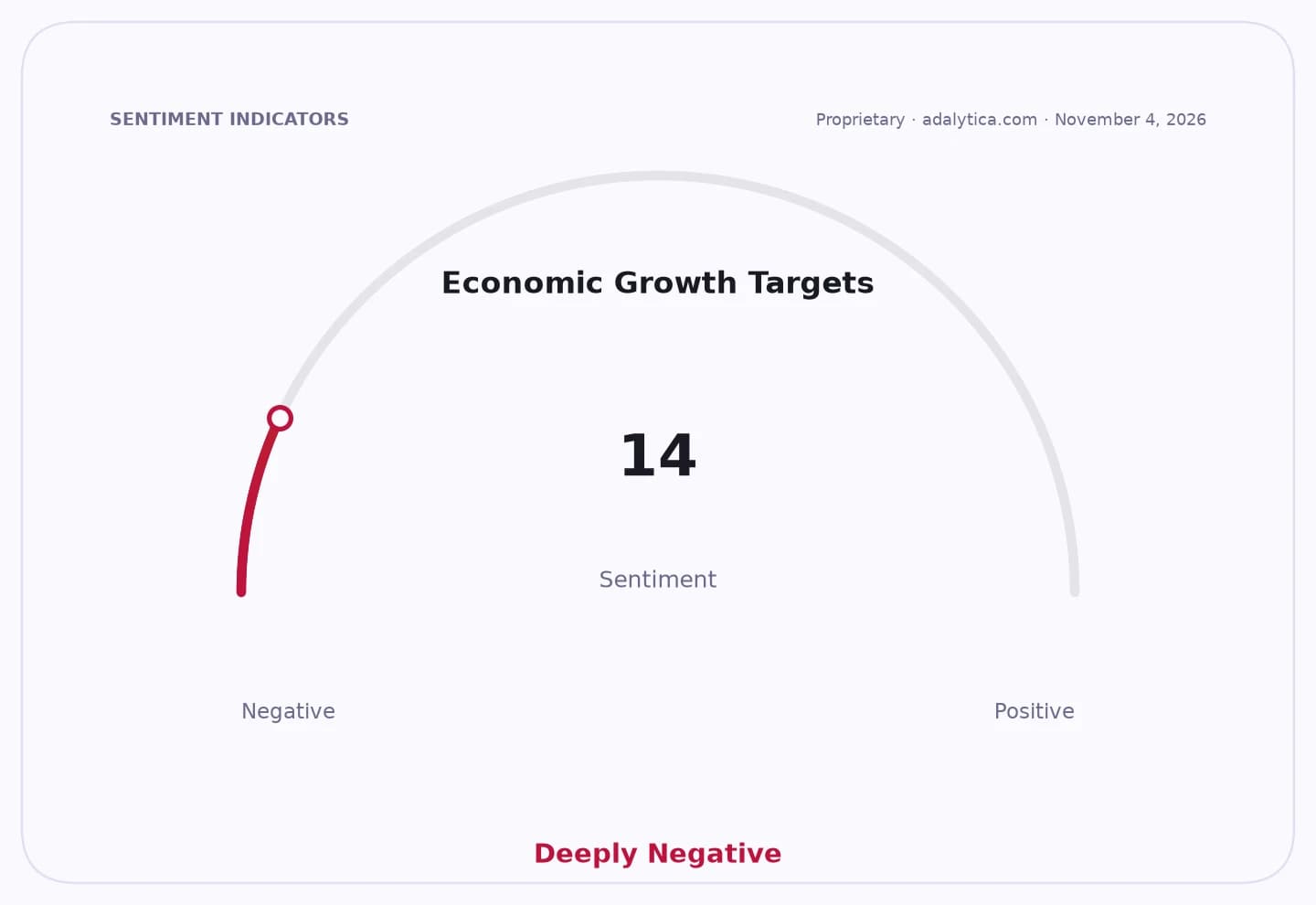
That matters because Beijing is trying to arrest a confidence shock that has spilled across domestic and offshore Chinese assets. The CSI 300 fell 8.5% in October, its worst month in a decade, after investors grew wary of the durability of China’s artificial intelligence and technology spending boom. Mainland shares rose only modestly in early trade on Wednesday, a sign the latest measures are more likely to slow selling than ignite a broad re-rating.
Authorities have intensified the program this week, cutting the facility rate to 1% from 1.25%, making it permanent and widening eligibility. A separate 100 billion yuan asset-swap facility for brokers, fund managers and insurers also started on Tuesday. Together, the steps amount to a more forceful attempt to create a floor under equities and, in the short term, reduce the cost of keeping money in the domestic market.
Chinese Yuan
For investors, the details matter as much as the headline number. The strongest beneficiaries are likely to be large, cash-generative companies with high dividend yields — especially state-owned banks and energy firms — where borrowing costs can be lower than the return on retiring shares. The tool does little directly for the tech and AI names that were central to October’s sell-off, leaving Hong Kong-listed growth stocks more exposed to earnings doubts and global tech sentiment.
The policy package also highlights Beijing’s priorities. With consumption weak and property still under pressure, officials are leaning on financial engineering to stabilize asset prices and protect sentiment while they wait for broader demand to improve. That can help equity multiples at the margin, but it does not repair the underlying earnings outlook for the market.
For now, the buyback program looks like a credible backstop rather than a catalyst for a sustained bull market. If applications keep rising, it could continue to cushion mainland indices and support cash-rich sectors. But without a clearer turn in growth, technology earnings and household demand, investors are likely to treat the scheme as insurance against further declines, not as a reason to chase a full recovery.
| Entity | Gains | Losses |
|---|---|---|
| Large state-owned banks and energy firms | ▲Cheap buyback funding | ▼Limited direct upside from tech rebound |
| Mainland equities | ▲Price floor support | ▼Weak earnings backdrop persists |
| Hong Kong tech stocks | ▲Some sentiment spillover | ▼AI and spending concerns remain |
| PBOC and regulators | ▲Greater market stability | ▼Higher policy burden if selloff resumes |