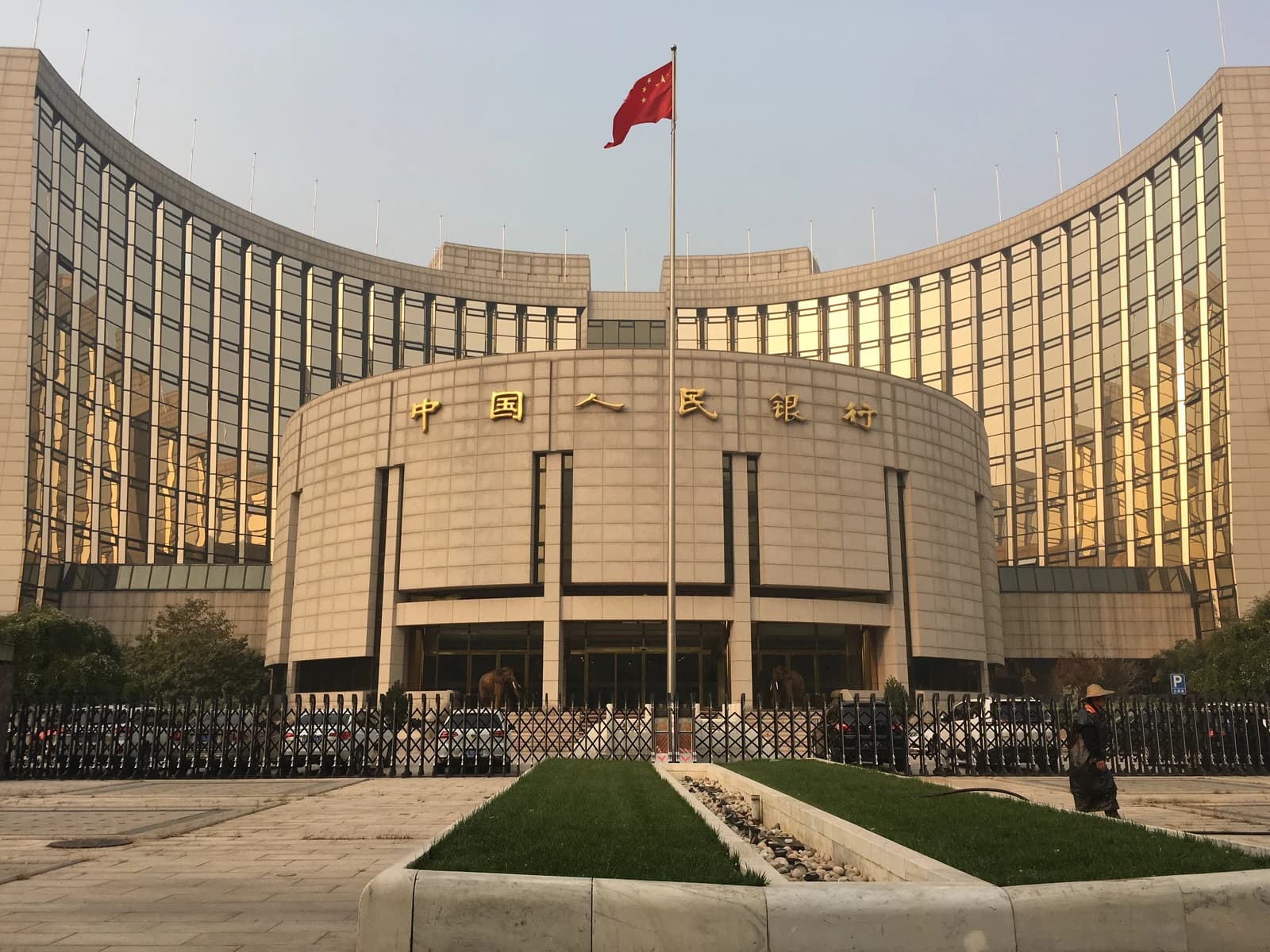
China’s largest state-owned banks have restarted sales of certificate-of-deposit products, a sign that the country’s banking system is still leaning toward lower funding costs even as savers remain eager to lock in yields.
China state banks restart CD sales

That matters because deposit pricing is one of the clearest transmission channels for China’s broader easing cycle. When the biggest lenders, including Postal Savings Bank, bring back higher-yield CDs, they are not just offering savers another product — they are also helping banks manage liabilities after a coordinated round of deposit-rate cuts across the industry. In plain English, China is trying to push borrowing costs lower without letting funding pressures squeeze bank margins too sharply.
Sentiment Indicators
Postal Savings Bank’s app showed several new CD offerings on Monday, including three- to six-month products with a top annualized rate of 1.05%. The bank had previously shown its CD section as waiting to be listed for months, according to the report. With Postal Savings Bank back in the market, all six of China’s major state-owned banks have now resumed issuance since Bank of China led the way on July 1.
For investors, the key takeaway is not the product itself but what it says about the direction of rates, liquidity and credit demand. China’s banks have been cutting deposit rates and loan rates to support activity, and the latest round of pricing changes suggests that process is still unfolding. Lower deposit costs can support net interest margins over time, which is positive for the big lenders. At the same time, persistent demand for CDs shows savers are still searching for yield, a reminder that household money remains sensitive to rate shifts.
There is also an important market signal here: some newly issued three-year CDs at state-owned banks and joint-stock lenders are already sold out. That suggests the appetite for relatively safe, bank-backed yield remains strong even as headline rates drift down. In a low-rate environment, investors often rotate toward high-quality income products, and Chinese banks are clearly seeing that demand.
The broader backdrop is a banking sector that is being asked to do two things at once: support the economy with cheaper credit and protect profitability. That balancing act is why the resumption of CD issuance matters. It shows that large lenders are adjusting product mix to keep deposits stable while the policy environment points toward further easing.
For long-term investors, this is worth watching as part of the bigger China financials story. If deposit rates continue to edge lower, banks could get some margin relief, but only if loan demand improves enough to turn cheaper funding into real credit growth. For now, the restart of CD issuance suggests the system is still in rate-cut mode — and that is usually a sign to stay focused on the strongest banks and the most durable balance sheets.
| Entity | Gains | Losses |
|---|---|---|
| China’s big 6 state-owned banks | ▲Lower funding costs, steadier deposits | ▼Must protect margins carefully |
| Savers seeking yield | ▲More CD choices, lock-in returns | ▼Lower rates over time |
| Borrowers and the real economy | ▲Cheaper credit conditions | ▼Bank pricing discipline may tighten |
| Bank shareholders | ▲Potential margin support | ▼Slower rate cuts can cap returns |