China has revived its bid at the United Nations Security Council to add the Balochistan Liberation Army and its Majeed Brigade to the 1267 sanctions list, a move that would tighten pressure on a militant group that has repeatedly targeted Chinese nationals and projects in Pakistan.
China Revives UN Bid to Sanction BLA
The push matters because UNSC designation would not be symbolic. A 1267 listing triggers asset freezes, travel bans and arms embargoes across UN member states, giving Beijing and Islamabad a stronger legal framework to constrain financing, movement and procurement for a group they say has attacked Chinese interests in Balochistan and elsewhere. For investors, the issue goes beyond counterterrorism diplomacy: it is tied to the security premium on Pakistan’s transport, mining and infrastructure corridors, and to the risk profile around Chinese capital deployed in the country.
Sentiment Indicators
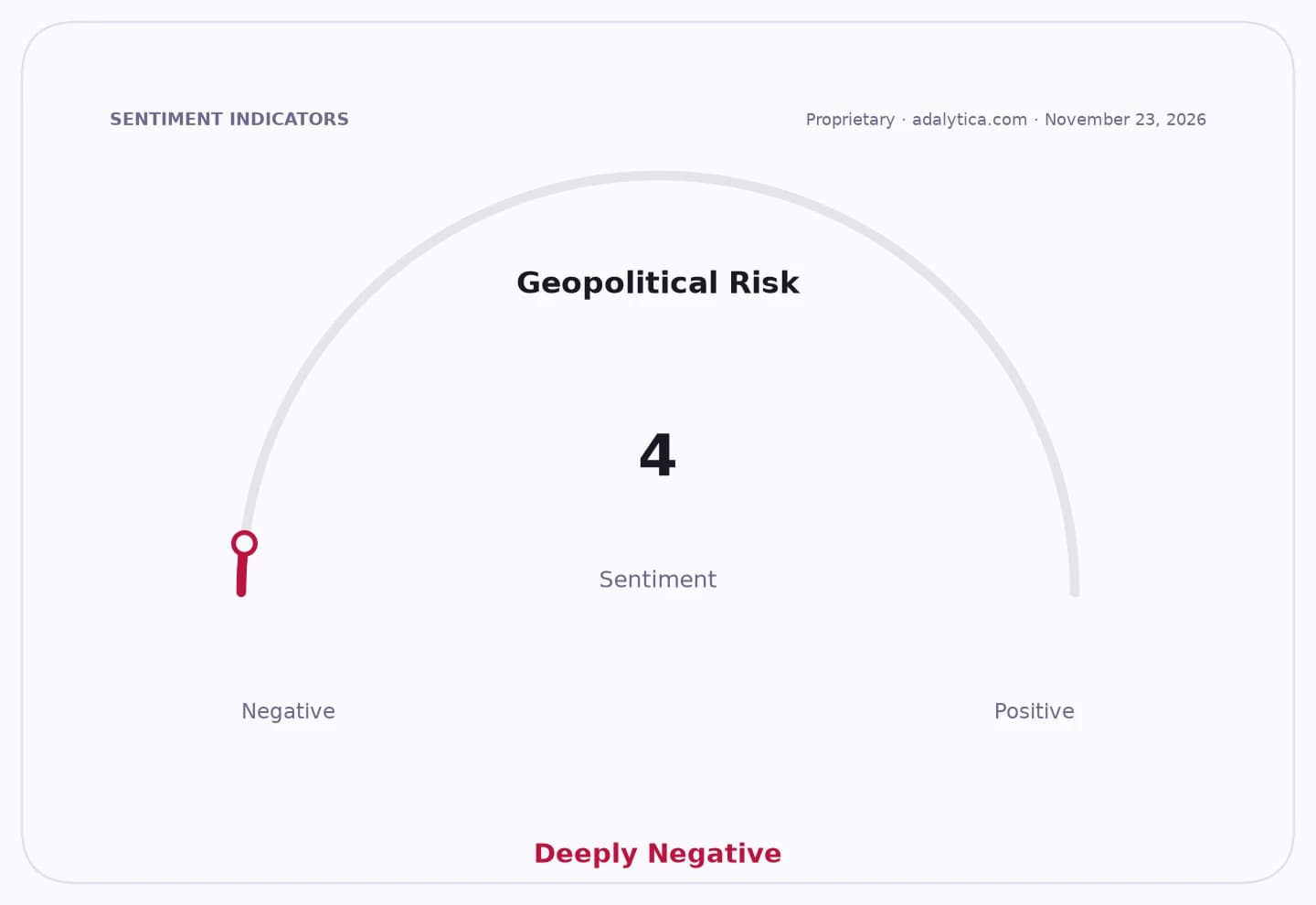
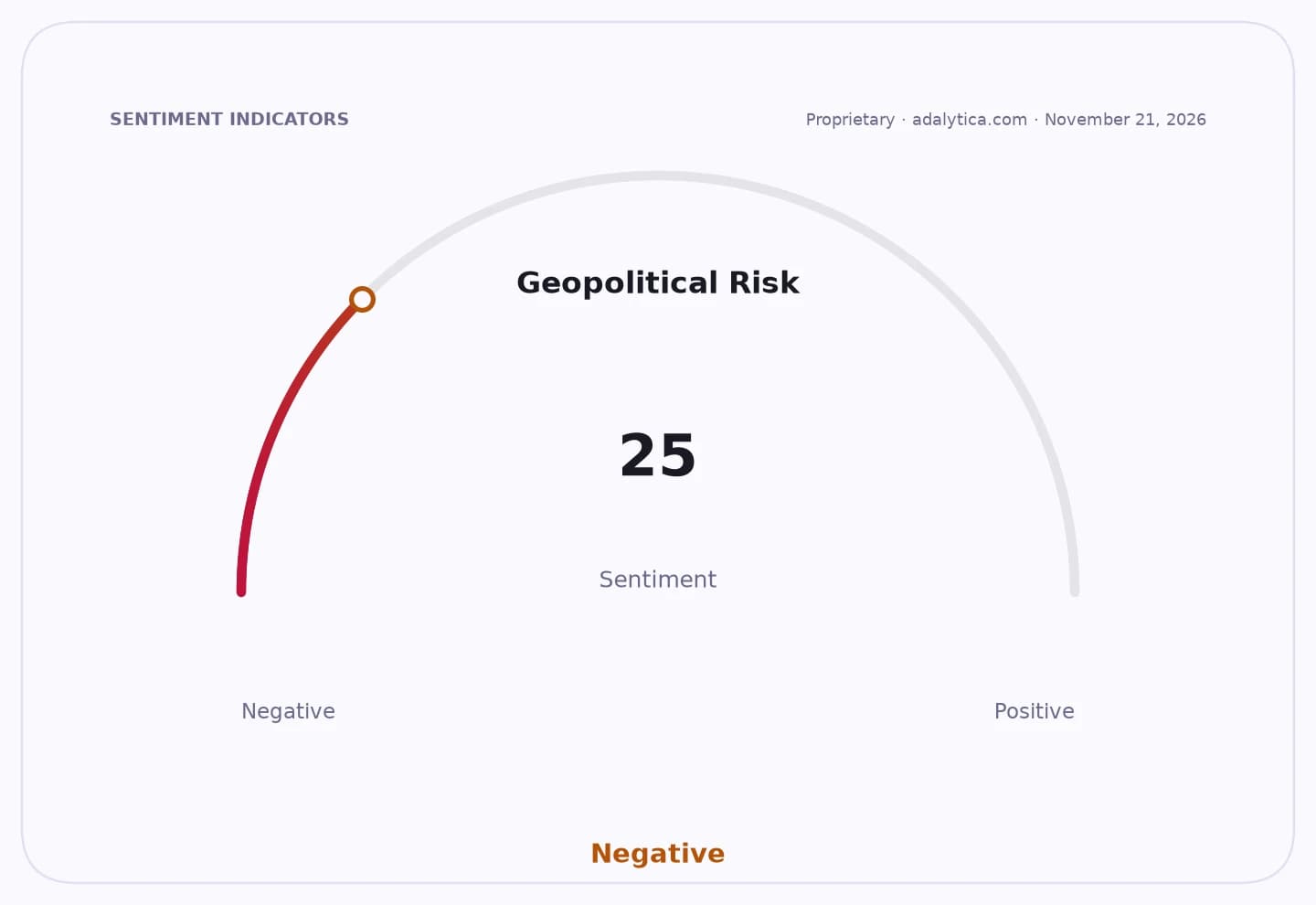
Geopolitical Risk
Chinese Acting Permanent Representative Sun Lei told a joint UNSC briefing that members should “set aside political considerations” and reach consensus on the proposal, underscoring that Beijing is treating the matter as part of a broader effort to protect overseas assets and personnel. China has long argued that the BLA’s Majeed Brigade was formed specifically to target Chinese investment in Pakistan, including attacks on the Pakistan Stock Exchange, the Chinese consulate in Karachi and the Confucius Institute at Karachi University.
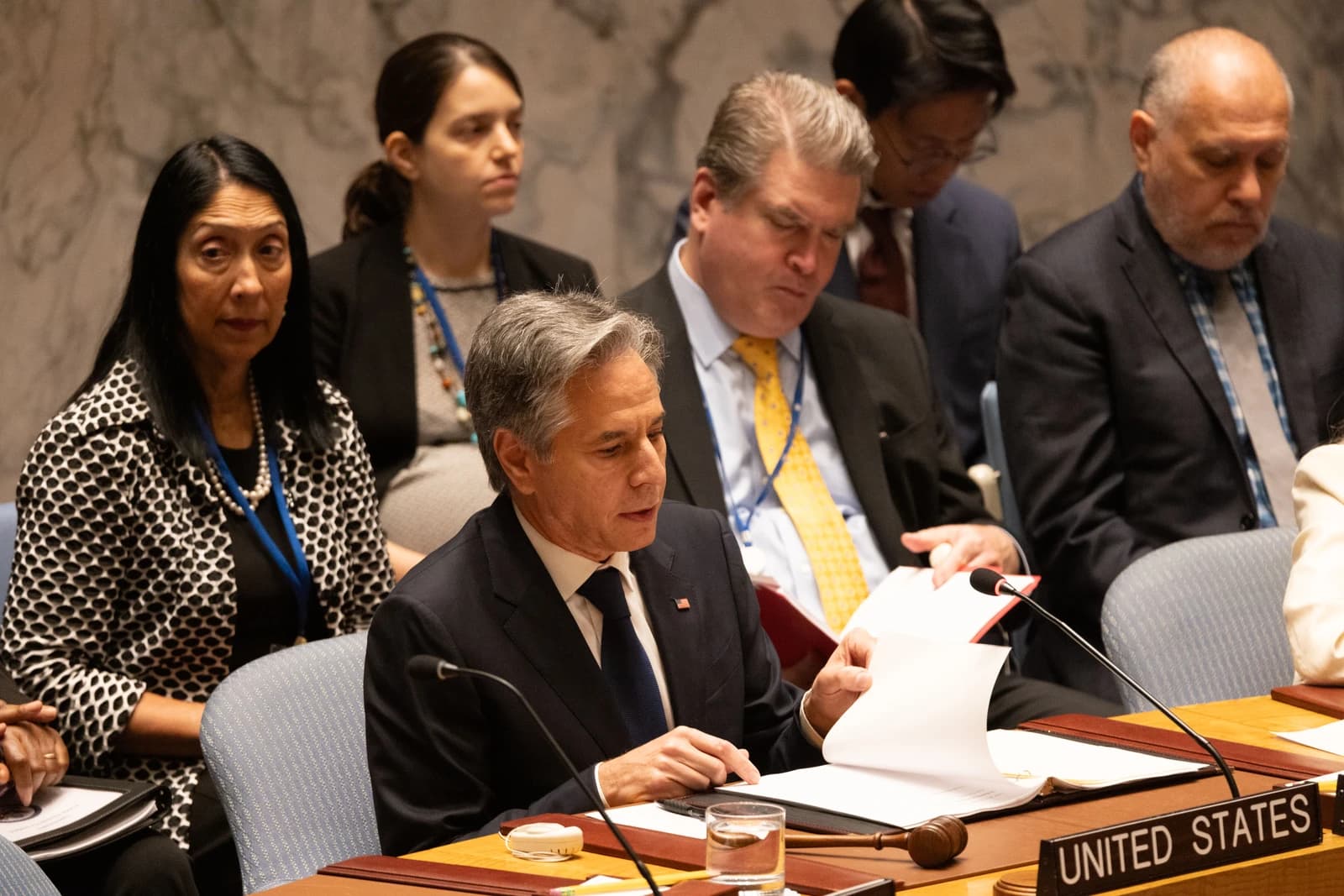
The renewed campaign also exposes the limits of great-power consensus on terrorism designations. A joint China-Pakistan attempt in June was blocked by the US, France and the UK on procedural grounds, with those members arguing the 1267 regime is intended primarily for groups linked to al-Qaeda, Islamic State and the Taliban rather than regional insurgents. That means the latest Chinese push is likely to face another difficult path unless Beijing can persuade reluctant council members that the evidence and legal basis are strong enough to overcome objections.
Geopolitical Risk
Economically, the stakes are clearest in Pakistan’s investment narrative. Chinese firms and lenders remain central to infrastructure and energy projects linked to the China-Pakistan Economic Corridor, and repeated attacks by BLA-linked militants have raised the cost of doing business in western Pakistan. A successful listing would not eliminate that risk, but it could strengthen security coordination and reduce some of the uncertainty around Chinese personnel and projects, which investors typically price into country risk and project financing terms.
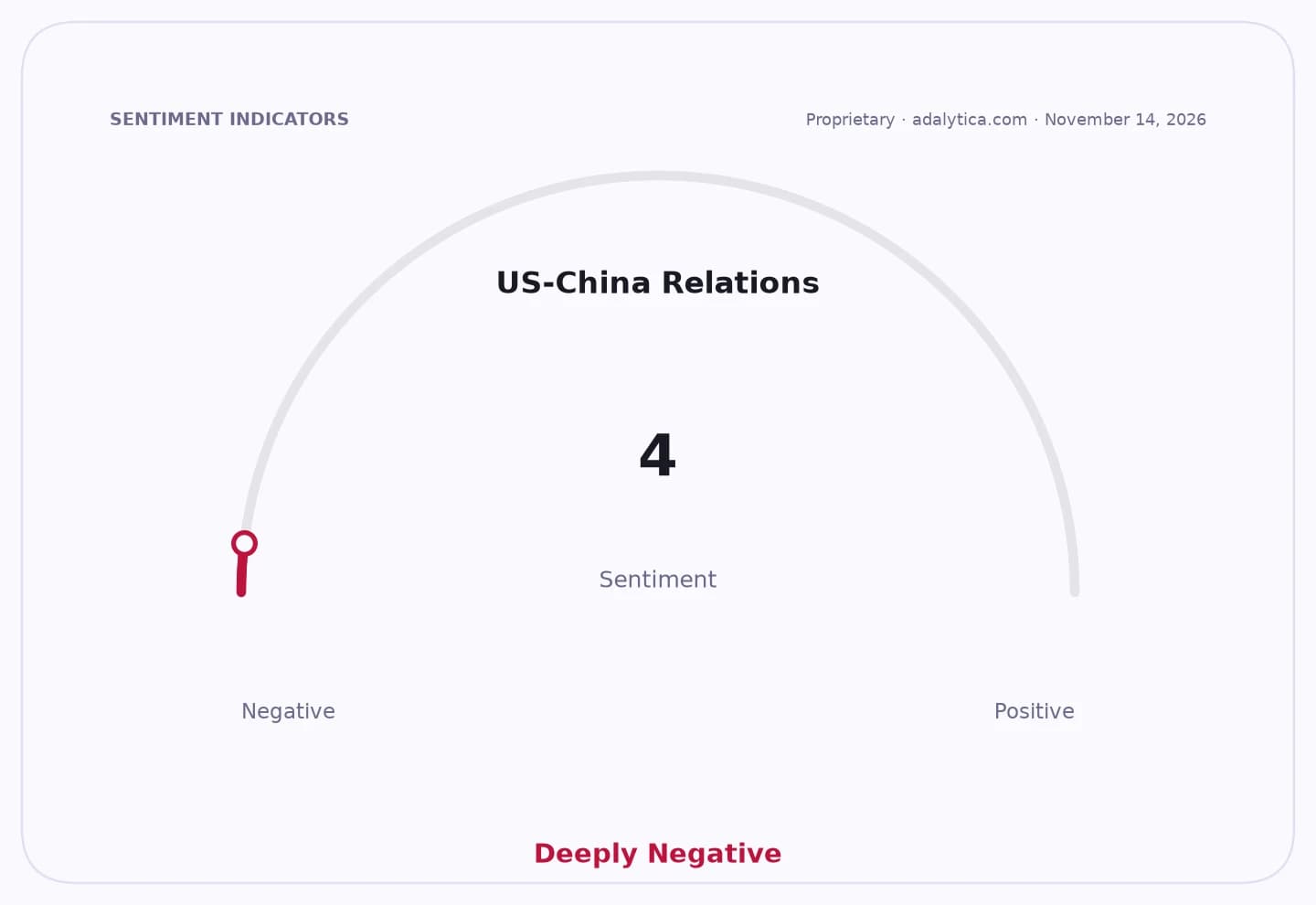
The issue also lands against a more fragile backdrop in global geopolitics. Adalytica’s Global Stability Sentiment gauge sits at 4, or “Extreme Fear,” while its US-China Relations Sentiment measure is at 100, or “Extreme Greed,” reflecting sharply elevated attention to bilateral tensions. For markets, that combination reinforces the view that geopolitically sensitive corridors — especially those involving Chinese overseas assets — remain vulnerable to sudden repricing whenever security concerns move back onto the diplomatic agenda.
For now, the immediate market effect is likely to be limited outside Pakistan-focused risk assets, but the longer-term implications are broader: if Beijing keeps pressing for formal UN action, it could sharpen scrutiny of militant threats to Chinese overseas projects and keep the security discount on Pakistan elevated until there is clearer multilateral backing.
| Entity | Gains | Losses |
|---|---|---|
| China | ▲Diplomatic leverage | ▼Continued security risk |
| Pakistan | ▲Counterterrorism backing | ▼Higher project-risk premium |
| BLA / Majeed Brigade | ▲None | ▼Sanctions pressure |
| Chinese investors / contractors | ▲Potential security support | ▼Ongoing disruption costs |