A shareholder lawsuit accusing Donald Trump and World Liberty Financial of profiting from foreign government money adds a new legal overhang to a crypto market already wrestling with regulation, reputation risk and bruised sentiment.
Circle lawsuit targets Trump and World Liberty
The complaint, filed by Circle Internet Group shareholder Benjamin Greenberg, says Trump and the crypto venture he co-founded with his sons violated the Constitution’s Foreign Emoluments Clause through transactions involving the United Arab Emirates. Greenberg is asking a federal court in Washington to bar further violations, force disgorgement of profits and award damages on behalf of Circle, which he says was hurt by World Liberty’s competition in the stablecoin business.
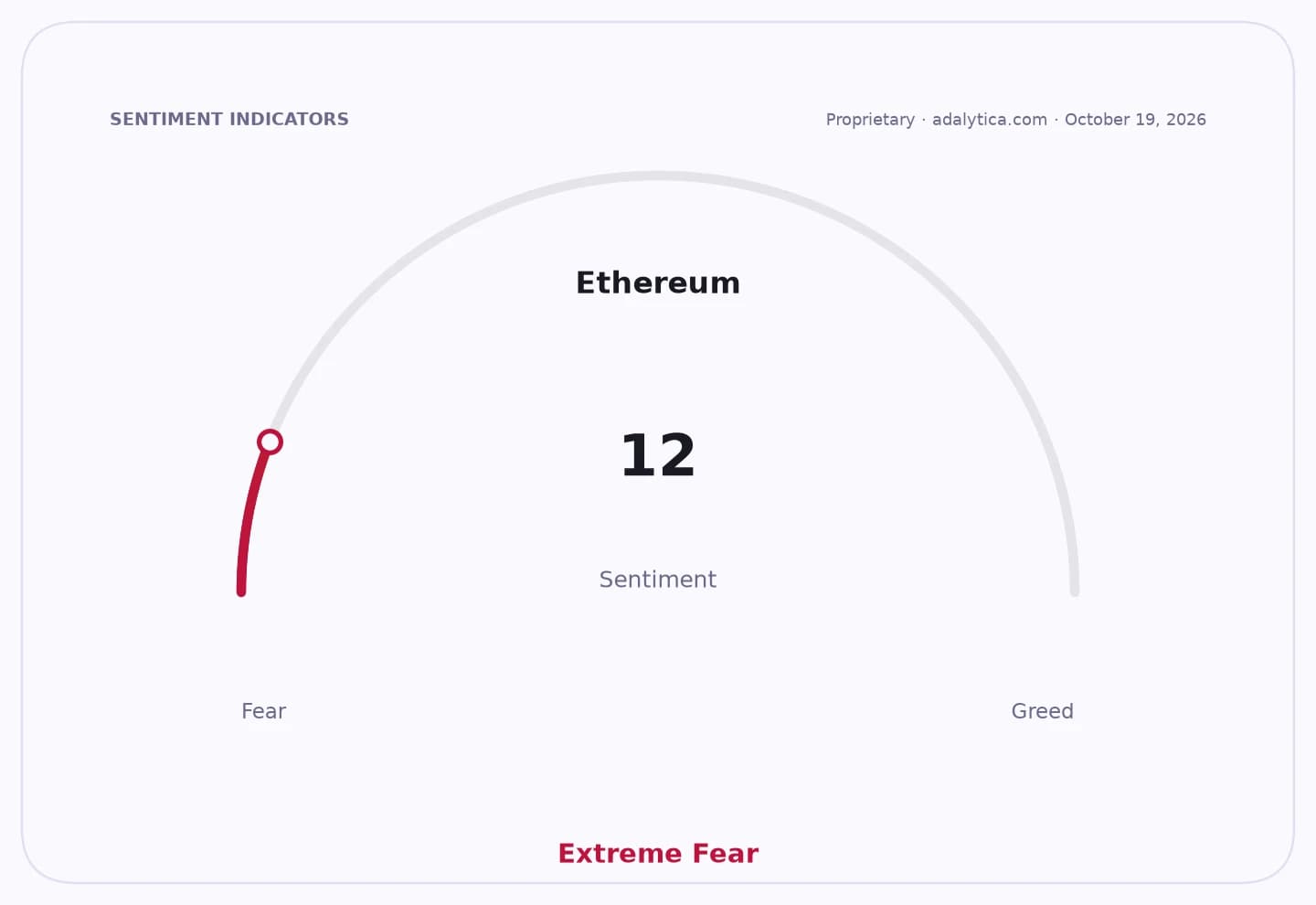
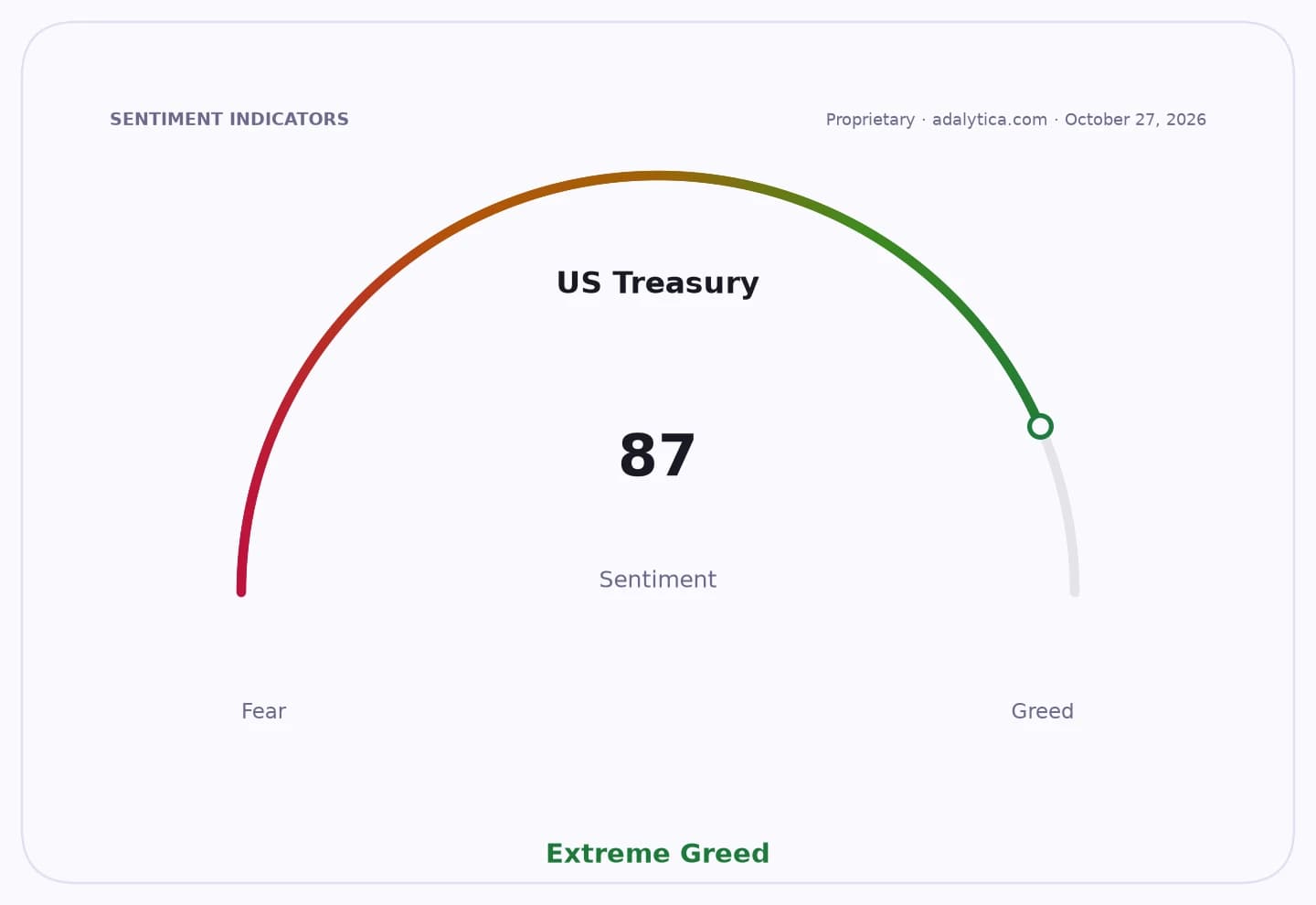
Sentiment Indicators
That matters because the case is not just about one president’s business dealings. It goes to the heart of how crypto firms raise capital, market stablecoins and compete for institutional adoption when political power, foreign money and private profit overlap. For investors, the biggest issue is confidence: if the industry is seen as a channel for politically exposed deals, it becomes harder to win the trust of regulators, banks and mainstream users.
The lawsuit centers on two transactions, including a reported sale of a 49% stake in World Liberty for $500 million to an investment vehicle backed by a member of the UAE ruling family and Abu Dhabi-based MGX’s use of World Liberty’s stablecoin in a $2 billion transaction. Greenberg argues those deals amount to payments from a foreign government, which the Constitution bars a sitting president from taking without Congress’s approval.
World Liberty has denied wrongdoing, saying the claims are “without merit” and that the company is compliant with U.S. law. Circle said it did not initiate the suit, while the Justice Department did not immediately comment.
For crypto investors, the timing is awkward. Trump reported $1.4 billion in earnings tied to his crypto ventures last year, a figure that fueled backlash in Washington and helped sink momentum for the Clarity Act, the market-structure bill that was supposed to give the industry a clearer rulebook. That matters because stablecoins and exchange infrastructure are exactly where scale, regulation and political legitimacy decide winners.
Circle is one of the clearest beneficiaries of a more regulated stablecoin market, while World Liberty is trying to build a rival franchise around its WLFI token and USD1 stablecoin, which now has a market cap of about $4 billion. The bigger the industry gets, the more scrutiny falls on who is issuing the money-like assets, who is backing them and whether those ties create legal or political risk.
The case also arrives as broader crypto sentiment remains fragile. Bitcoin has been stuck near its 50-day moving average and well below its 200-day average, while Adalytica’s Bitcoin Fear & Greed Index shows “Extreme Fear” at 14, underscoring how little margin for error investors currently have. MicroStrategy, one of the largest corporate holders of bitcoin, has also seen sharp swings, reflecting how quickly enthusiasm for the asset can reverse when headlines turn.
None of that means the lawsuit will succeed. Earlier emoluments cases against Trump failed, and World Liberty is likely to fight this one hard. But long-term investors should pay attention anyway. The more crypto becomes tied to politics, the harder it may be for the sector to normalize as a broad, investable financial infrastructure.
For now, the case is another reminder that the best crypto winners may be the companies with the cleanest governance, the clearest products and the least dependence on political favor. That is worth watching, not chasing.
| Entity | Gains | Losses |
|---|---|---|
| Circle Internet Group | ▲Rival scrutiny eases | ▼Competitive noise rises |
| Trump and World Liberty Financial | ▲None if sued successfully | ▼Legal risk, reputational damage |
| Stablecoin investors | ▲Cleaner market rules if scrutiny works | ▼Short-term uncertainty |
| Crypto sector overall | ▲Better governance if resolved | ▼More regulation, slower adoption |