Empresas CMPC’s sale of 60,000 hectares of forest land in Chile’s Maule region to JPMorgan Natural Capital for $365.5 million is the latest and largest step in a rapid asset-disposal program aimed at shoring up the pulp and paper group’s balance sheet ahead of a major investment cycle in Brazil.
CMPC Sells Chile Forest Land for $365.5 Million

The transaction matters because it turns a portfolio of non-core timberland into immediate cash while preserving industrial supply through a long-term wood contract for CMPC’s Maule cardboard plant. For a company facing heavy capital needs at its Natureza pulp project in Brazil, the deal is less about shrinking the asset base than about freeing up capital and reducing leverage before that spending peaks.
CMPC said the land sold is mostly planted with radiata pine and represents about 5% of its total forest holdings. The company described the sale as part of a competitive process under its asset-management strategy announced late last year, with a stated aim of sharpening focus on core businesses and improving efficiency. CFO Sebastián Moraga said the group wants to strengthen competitiveness while monetizing non-strategic assets.
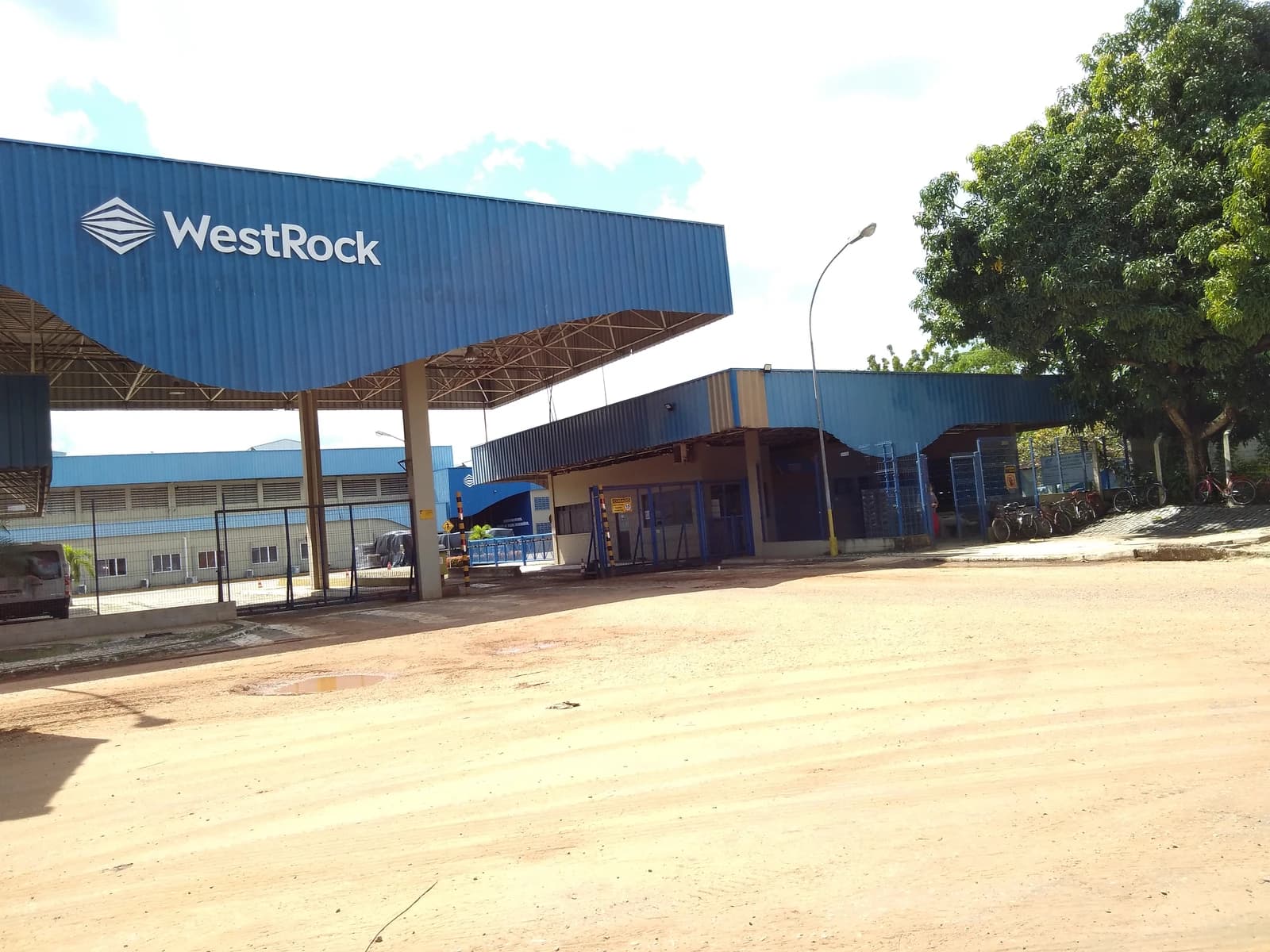
The sale comes less than a month after CMPC agreed to sell its Chilean corrugated-cartons business to Smurfit Westrock for $420 million, taking the value of announced divestments to $785.5 million in under a month. That is a meaningful sum for a company that has publicly said it may monetize around $1.5 billion of forest and real-estate assets. Investors will read the pace of disposals as evidence that management is serious about balance-sheet repair rather than relying on incremental cost cuts.
The strategic backdrop is CMPC’s Natureza project in Brazil, which the company says requires about $4.6 billion of investment. That scale of capex can weigh on free cash flow, ratings and funding flexibility, particularly in a cyclical sector where pulp pricing, currency moves and demand conditions can swing quickly. By selling mature timberland assets now, CMPC is converting low-return or non-core holdings into liquidity while retaining operating access through offtake arrangements.
For JPMorgan Asset Management, through its forest-investing platform JPMorgan Natural Capital, the purchase fits the broader institutional appetite for timberland and natural-capital assets that can offer inflation-linked, long-duration returns. The inclusion of a long-term wood supply agreement also reduces operational risk for the buyer and helps CMPC protect feedstock for its Maule operations, softening the industrial impact of the divestment.
The key question for investors is whether the disposals are enough to materially ease the funding burden without forcing CMPC to surrender too much of its future asset base. Bulls will argue the company is unlocking value at attractive prices and lowering leverage ahead of a transformational investment phase. Bears may see a portfolio under pressure, with asset sales masking the underlying strain of financing a multibillion-dollar project.
What to watch next is whether CMPC continues selling forest, logistics or property assets at the same pace, and how much of the announced disposal program is ultimately completed. The company’s ability to translate the current monetizations into a cleaner balance sheet — without disrupting pulp supply or sacrificing strategic flexibility — will shape investor confidence over the next several quarters.
| Entity | Gains | Losses |
|---|---|---|
| CMPC | ▲Cash for deleveraging | ▼Future asset base |
| JPMorgan Natural Capital | ▲Long-duration timber asset | ▼Upfront capital outlay |
| Lenders and bondholders | ▲Stronger credit profile | ▼Less balance-sheet stress |
| Smurfit Westrock and peers | ▲M&A opportunity set | ▼Less consolidation upside |