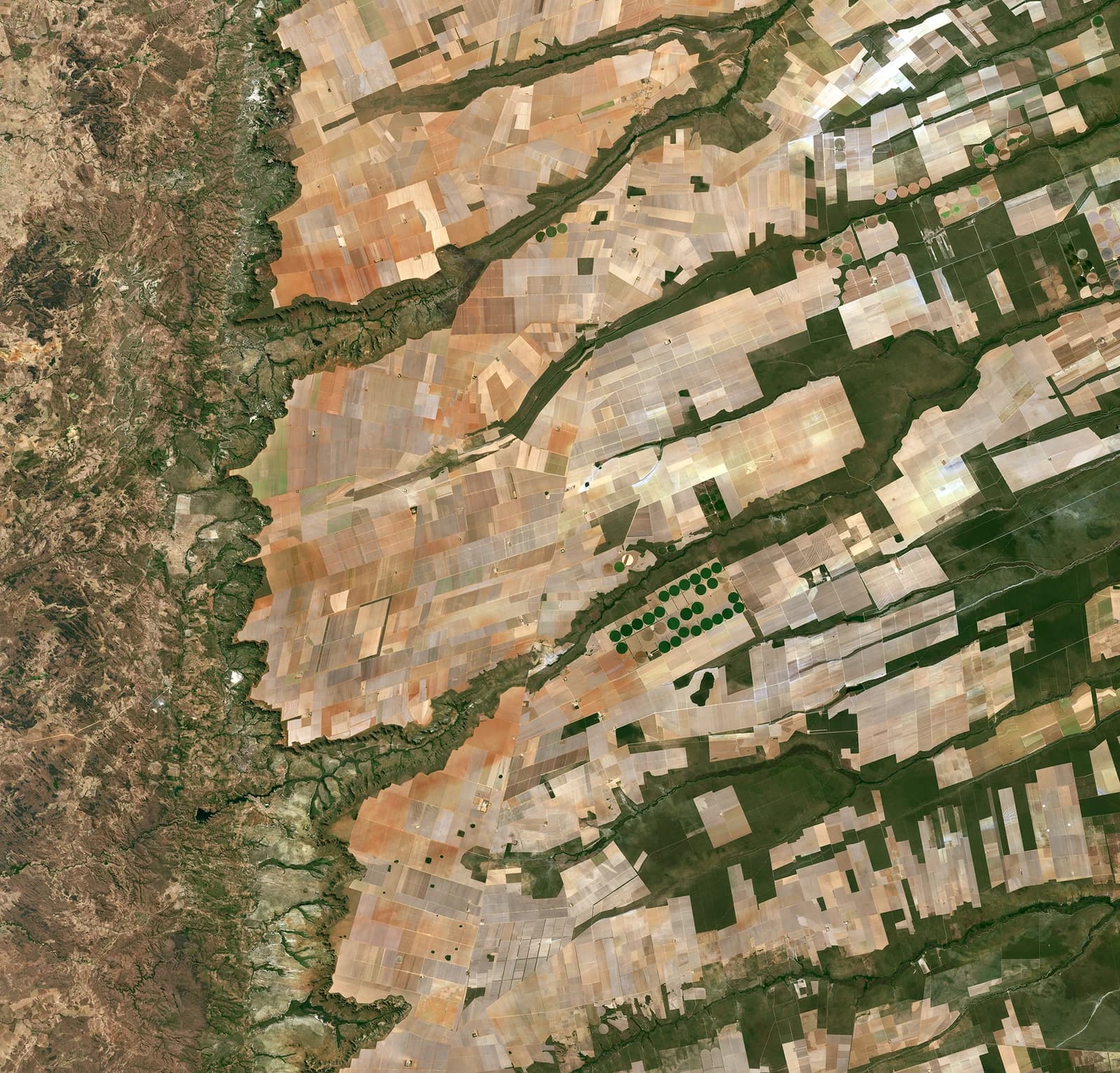
CMPC’s plan to pour $4.6 billion into a new cellulose mill in Brazil has become the defining test of whether the Chilean producer can grow fast enough to keep pace with rivals without sacrificing its investment-grade balance sheet.
CMPC Brazil cellulose mill plan tests balance sheet
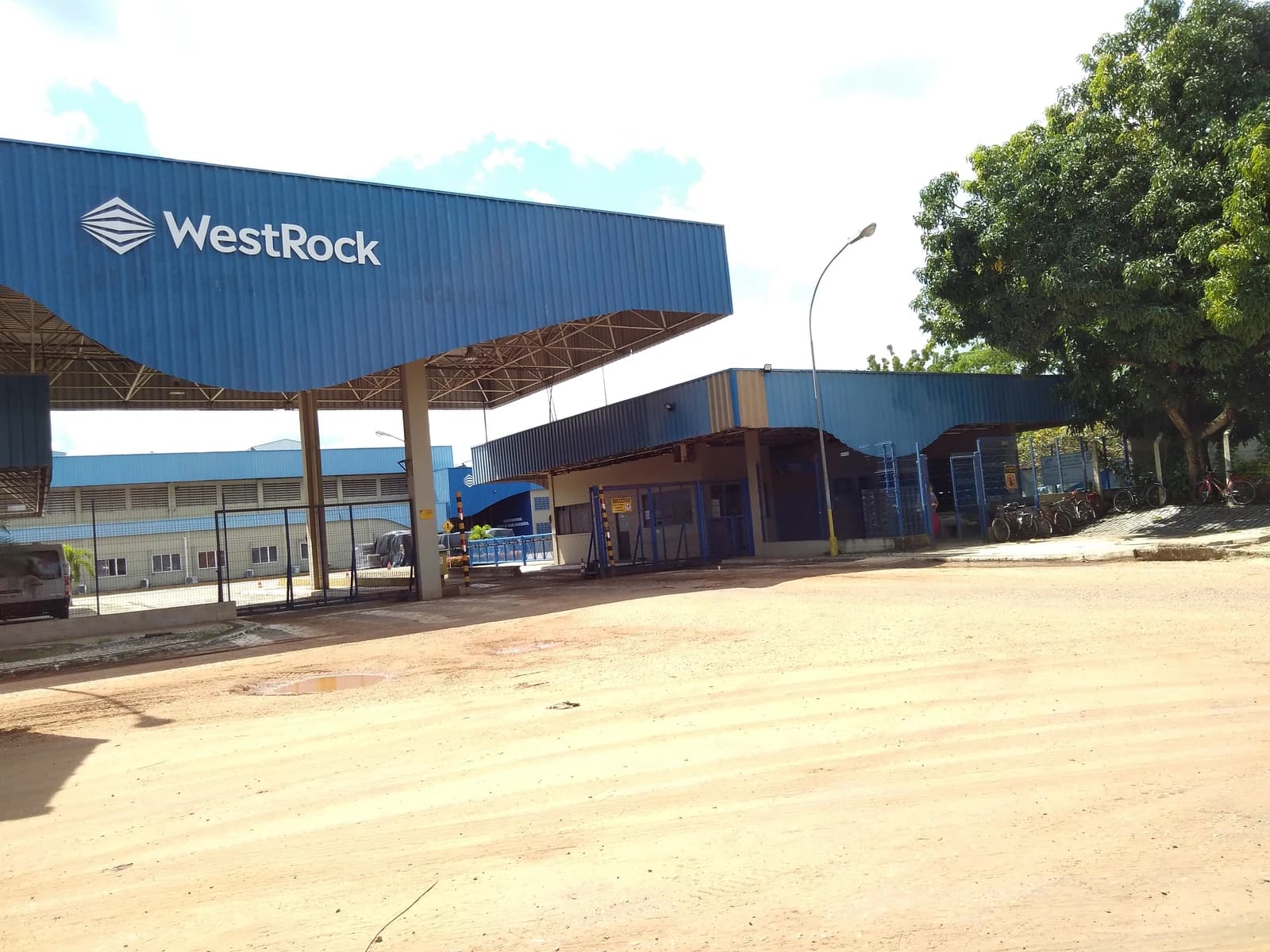
The decision matters far beyond one project. Brazil’s low-cost eucalyptus base is drawing the industry’s biggest players south, and the company that sits out risks being left behind in a market where scale, cost and access to fibre are increasingly decisive. But for CMPC, the proposed Natureza mill also lands at a dangerous moment: the outlay is close to twice the company’s market value, leverage has risen and pulp prices remain under pressure.
Sentiment IndicatorsⓘProprietary · adalytica.com · October 8, 2026
This is a snapshot — live sentiment, awareness and momentum for 130+ markets update continuously in the dashboard.Open AlphaPulse
That tension is why the project has turned into a strategic rather than purely industrial choice. Proceeding would add 2.5 million metric tons of annual eucalyptus pulp capacity and help CMPC defend its place among the global majors. Delaying or cancelling, however, could mean ceding ground to Celulosa Arauco y Constitución, which is already more than 70% done building its even larger Sucuriú plant in Brazil and is targeting a start-up by the end of 2027.
For investors, the issue is whether growth can be funded without a ratings downgrade or a dilutive capital raise. CMPC’s dollar debt is rated BBB- by S&P and Fitch, just one notch above junk, and its net debt rose to 5.1 times EBITDA at the end of last year from 3.6 times a year earlier. The company’s shares have fallen 30% this year, while the spread on its 2034 bonds over US Treasuries hit a record high in late September, underscoring how the market is already pricing in execution and financing risk.
The broader backdrop is a sector-wide migration toward Brazil and, to a lesser degree, Chile, where plantation costs are lower and supply chains are more established. That shift is being reinforced by persistent weakness in pulp prices as Chinese production rises and new South American capacity comes on line. Horacio Herrera of MBI Inversiones estimates Natureza needs a long-term pulp price of about $575 a ton to earn an acceptable return, only modestly below current levels, leaving little cushion if the cycle softens further.
Financing is the other pressure point. CMPC says it plans to sell $1 billion to $1.5 billion of non-core assets and recently agreed to dispose of its Chilean corrugated-packaging business for $420 million. It also raised about $300 million through hybrid bonds in June. Even so, analysts at MBI say the company may need another $600 million to $700 million of capital if asset sales do not meet expectations — a prospect that has sharpened investor concern that the project could force a choice between strategic relevance and credit discipline.
CMPC says keeping investment-grade status is central to every decision it makes, and that the Natureza project is among the world’s most competitive because of forest productivity and low costs in the region. The next catalyst is regulatory approval, which will determine whether the company can press ahead later this year. If it does, the market will likely focus on how much additional funding is required and whether the project can be advanced without permanently weakening the balance sheet. If it does not, CMPC may preserve credit quality at the cost of long-term market share.
| Entity | Gains | Losses |
|---|---|---|
| CMPC | ▲Future scale and lower-cost output | ▼Balance-sheet flexibility |
| Arauco | ▲Competitive lead in Brazil | ▼Less room for rivals |
| Brazil pulp sector | ▲More investment and capacity | ▼More price pressure |
| CMPC bondholders | ▲Potential asset sales support | ▼Downgrade risk |