A renewed focus on China’s rare-earth supply chain and Longonjo’s progress in Angola is drawing fresh scrutiny to Pensana’s funding, timetable and valuation.
Pensana Longonjo funding and timeline questioned
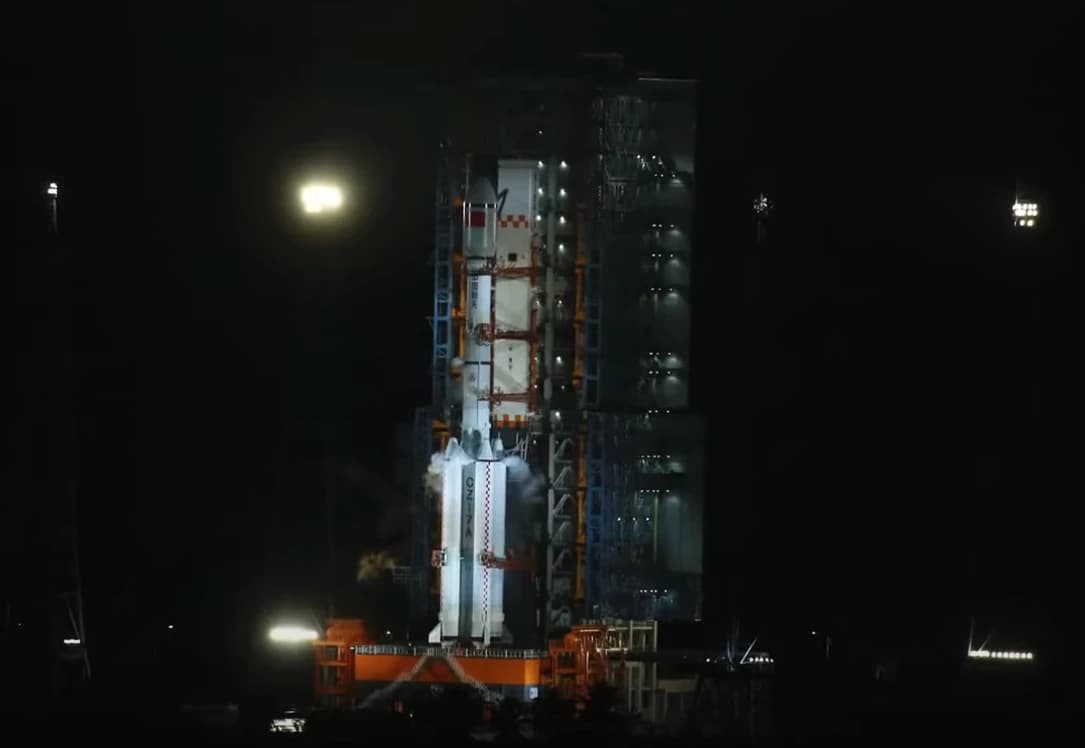
The market’s real question is not whether the Longonjo project exists, but whether it can still be delivered on the schedule and economics that underpin its equity story. Site visits and social-media posts from September suggest civil works are continuing, but they also reinforce the gap between the company’s ambition and the physical reality on the ground: construction is only about 25% complete, commissioning has been pushed to October 2027 and production to 2028, while investors are still looking for clarity on funding.
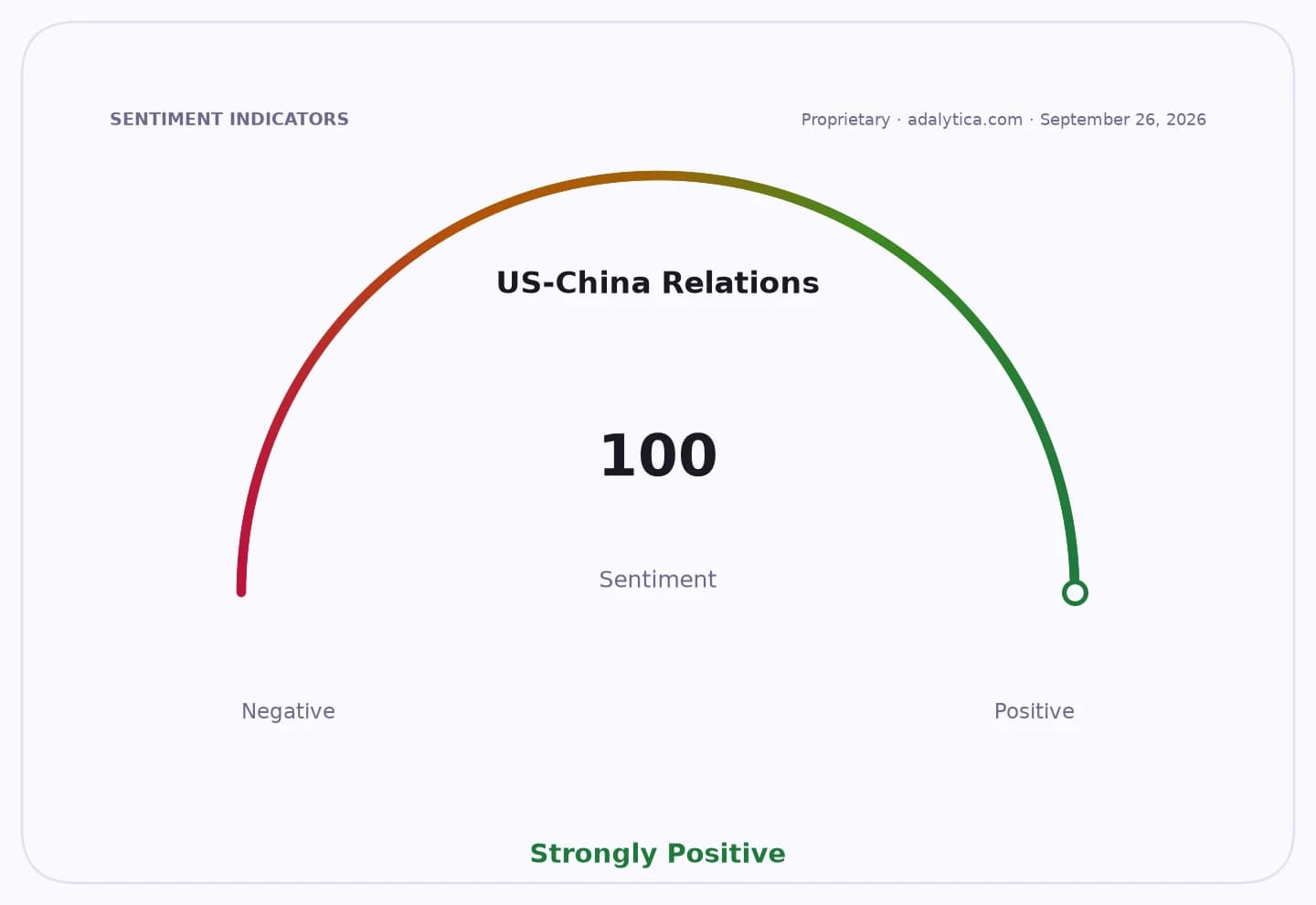
Sentiment IndicatorsⓘProprietary · adalytica.com · September 27, 2026
This is a snapshot — live sentiment, awareness and momentum for 130+ markets update continuously in the dashboard.Open AlphaPulse
That matters because Longonjo sits inside a broader scramble to secure non-Chinese rare-earth supply at a moment when U.S.-China trade talks are again putting critical minerals back on the table. Rare earths remain strategic, not just because they feed magnets for electric vehicles and wind turbines, but because dysprosium and terbium are among the key heavy rare earths governments and manufacturers are trying to de-risk away from China. Any credible ex-China project can attract a strategic premium; any project that slips on financing or schedule tends to lose it quickly.
The Longonjo update is mixed. On the supportive side, the Angolan minister’s visit and the company’s local disclosures point to a live site, with some equipment already on hand, a modular plant design and work underway on the tailings storage facility and processing plant technical design. Ozango Minerais, the project vehicle, says about 150 farmers have been compensated and the operation employed 98 people, with 38 more hires planned this year. The project also carries a sizeable reserve base, including neodymium-praseodymium and smaller dysprosium-terbium resources, which gives it long-life optionality if it gets built.
But the bear case is increasingly about execution. The public debate around the Longonjo photos suggests piling and foundation work may still be at an early stage, despite earlier guidance that 2,250 piles would be completed by September 2026. If that timetable has slipped materially, the knock-on effect is not cosmetic: every delay pushes out mechanical completion, raises construction costs and increases the risk that first meaningful output arrives well after the market’s current assumptions. For a single-asset developer, that can be the difference between a strategic asset and a capital-intensive project that keeps diluting shareholders.
Investors are also weighing the financing hole. Pensana has previously marketed Longonjo as a project with a far larger economic value than many skeptics assign to it, but the equity case depends on funding completion, offtake terms and achieved payability for rare-earth carbonate or mixed rare-earth product. Without binding contracts or a clear financing close, the market has to discount the project heavily. That is especially true if the eventual sales mix is less favorable than management assumes, because realized pricing can vary sharply depending on destination, payability and heavy rare-earth content.
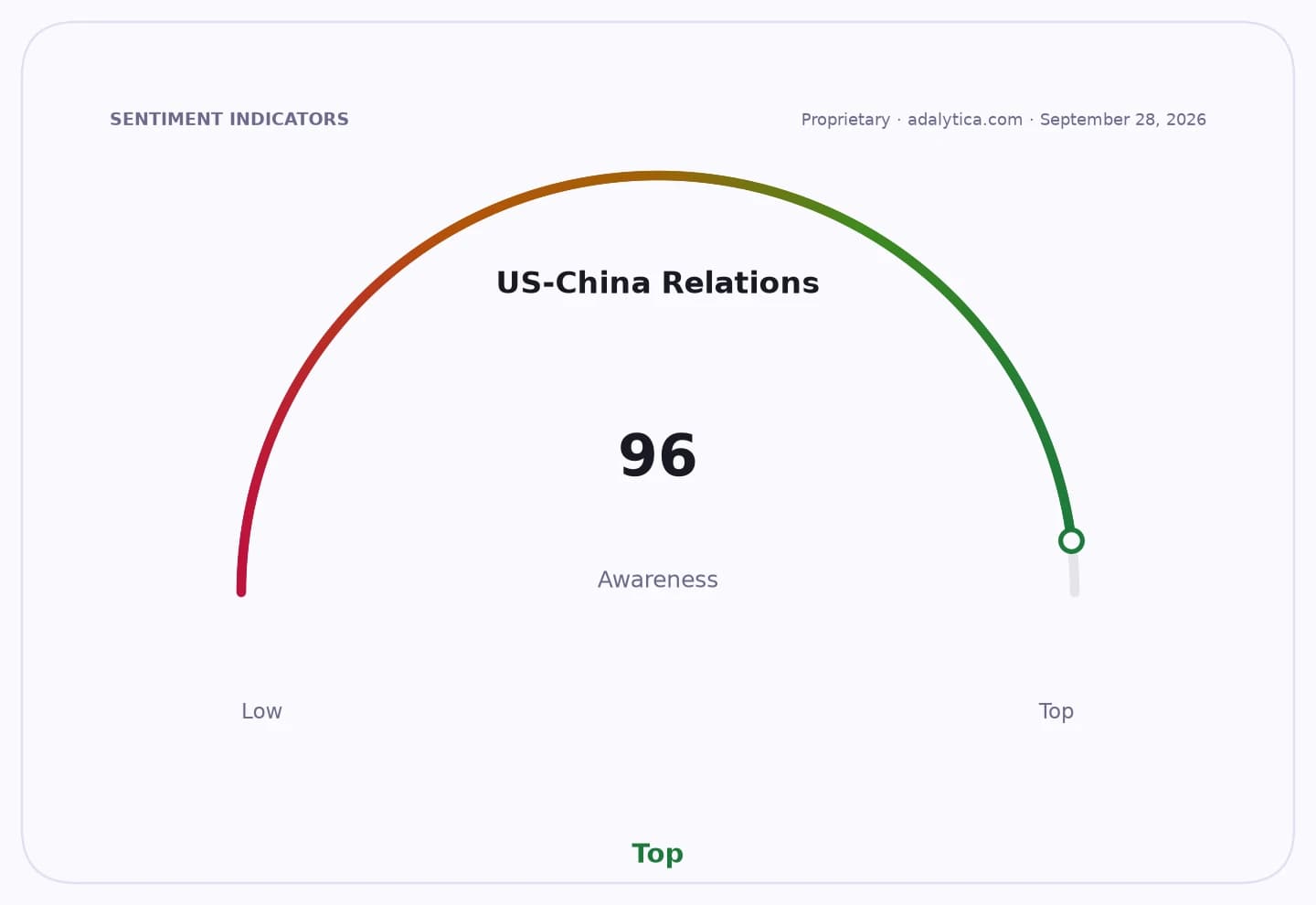
The macro backdrop is at least supportive of strategic interest. U.S.-China negotiations are again touching rare earths and supply-chain verification, and Adalytica’s U.S.-China relations gauge shows extreme attention to the issue. That does not guarantee capital for Longonjo, but it does mean the asset is being judged in a market where supply diversification remains a live policy theme. If Washington and Beijing reach even a partial accommodation on trade and critical minerals, rare-earth pricing and sentiment could stabilize; if tensions re-escalate, non-Chinese projects with credible financing and visible progress should gain relative value.
For now, the takeaway for investors is that Longonjo still has strategic relevance, but the burden of proof has shifted back to execution. The next catalyst is not another promise on geology, but evidence that the physical build, financing package and offtake structure are aligned closely enough to support a 2028 start. Until then, the stock remains a leveraged call on a rare-earth supply-chain theme that is attracting interest — and skepticism — in equal measure.
| Entity | Gains | Losses |
|---|---|---|
| Pensana/Ozango | ▲Strategic relevance | ▼Timetable credibility |
| China | ▲Supply-chain leverage | ▼Pressure on rare-earth dominance |
| U.S. buyers/offtakers | ▲Diversification options | ▼Near-term supply certainty |
| Existing shareholders | ▲Upside if funded | ▼Dilution and delay risk |