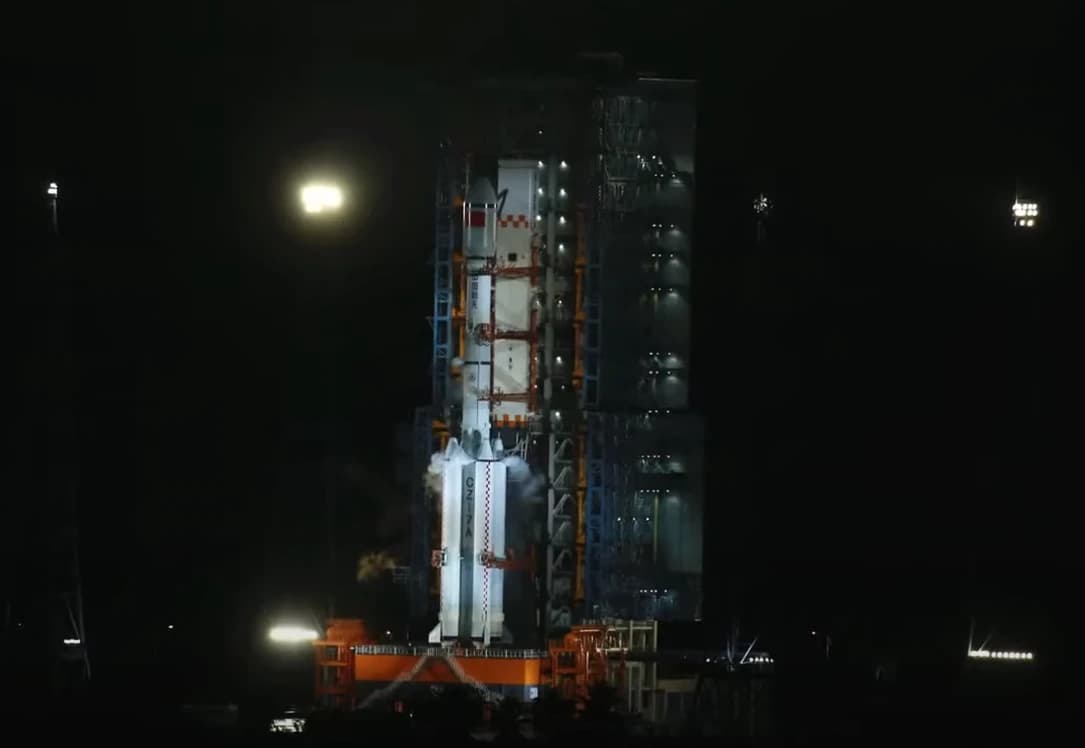
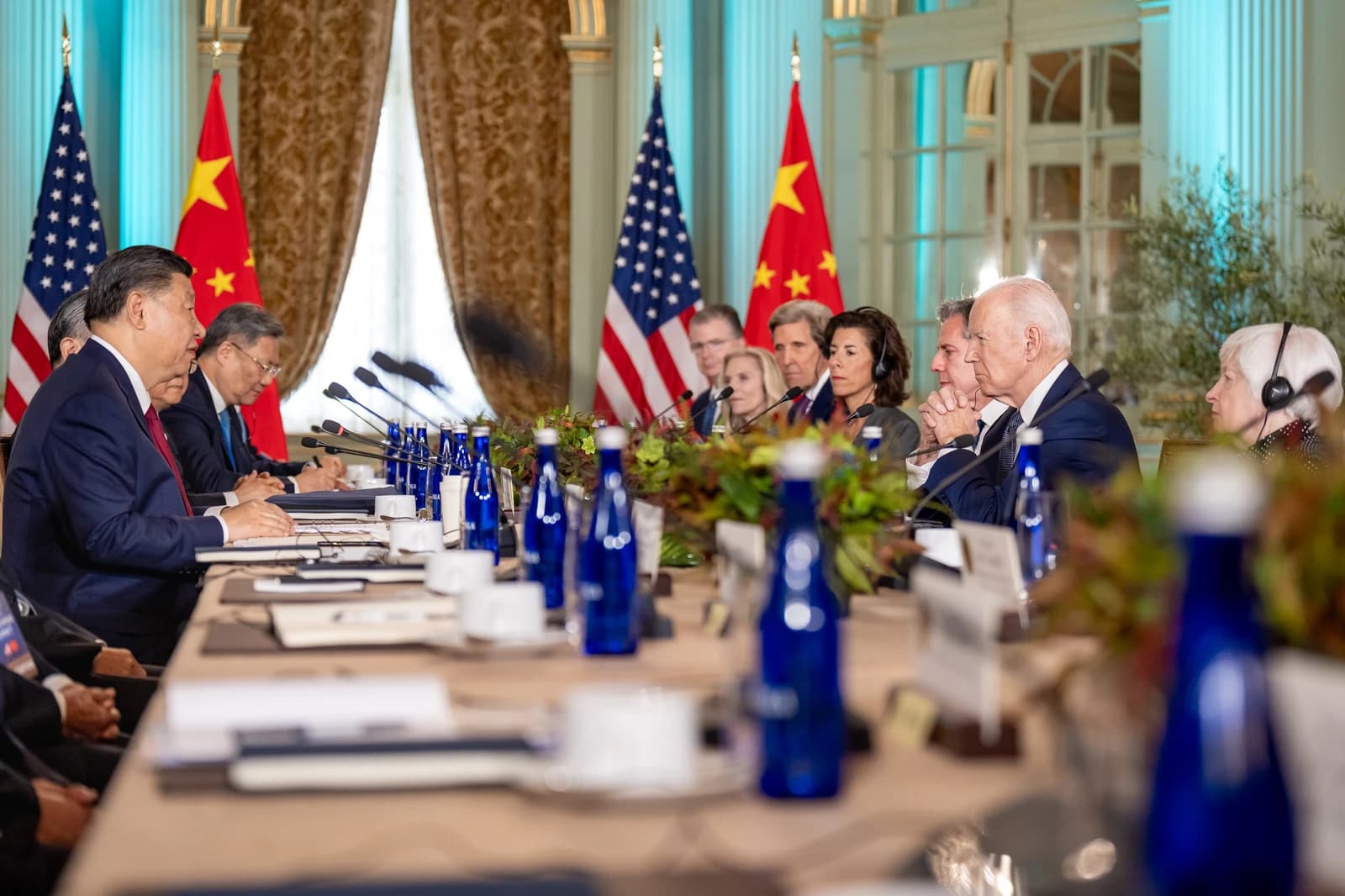
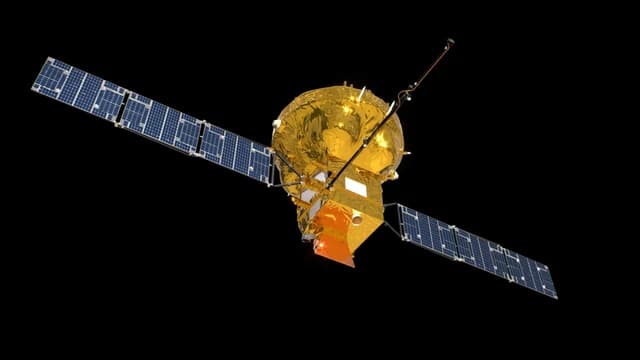
China’s push to prepare a Jupiter mission is keeping the space-and-defense trade in focus, but the bigger market story this week is that investors are rethinking how much of that optimism is already priced in after a sharp reversal in major contractors.
China Jupiter Mission Focus Hits U.S. Defense Primes
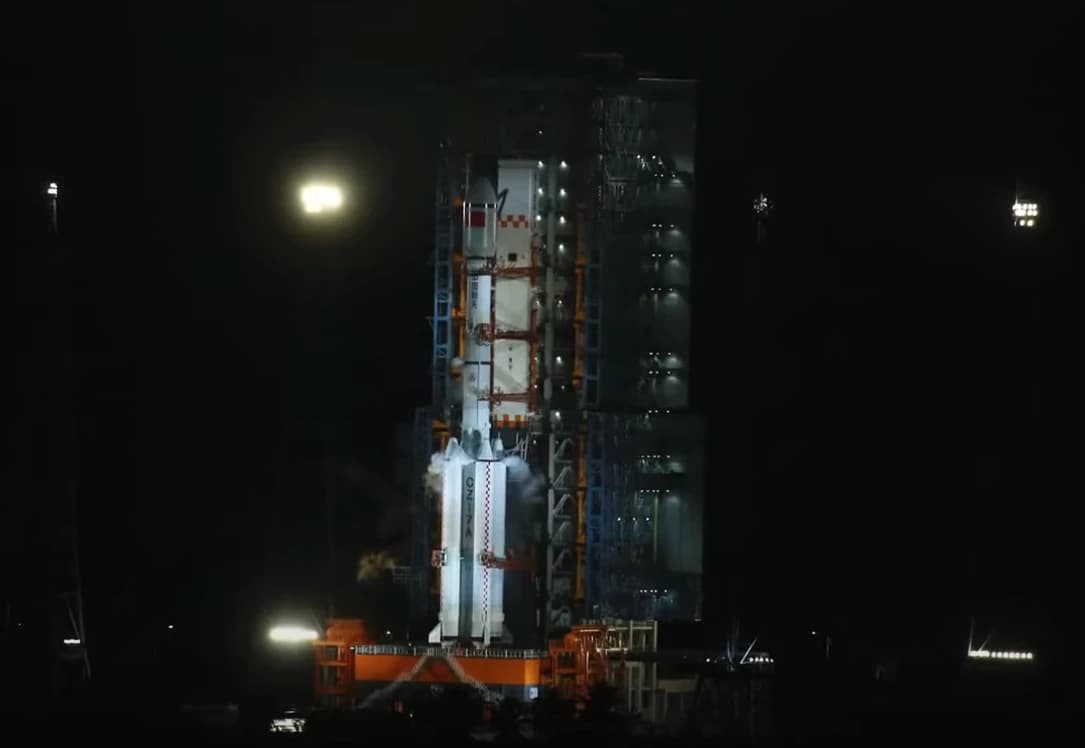
The setup matters economically because deep-space programs are long-cycle, capital-intensive and politically strategic. Any credible progress on navigation, guidance and mission systems points to a broader Chinese commitment to high-end space capability, which can support domestic aerospace suppliers, lift procurement demand and intensify competition with U.S. contractors in satellites, sensors and mission integration. For investors, that means the space theme remains structurally intact even as individual names swing on valuation and execution.
Sentiment IndicatorsⓘProprietary · adalytica.com · September 26, 2026
This is a snapshot — live sentiment, awareness and momentum for 130+ markets update continuously in the dashboard.Open AlphaPulse
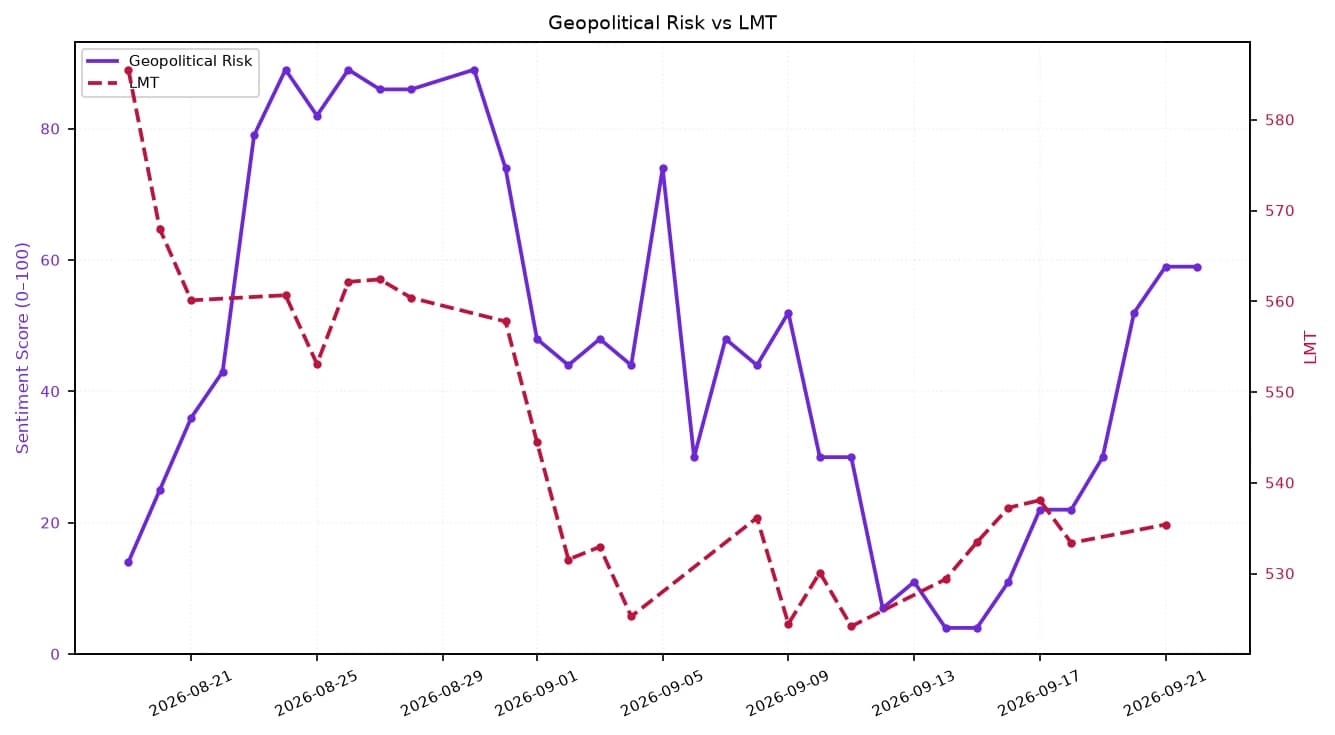
The market has already started to separate the story from the stocks. L3Harris Technologies has fallen to $237.69 from a recent 2026 peak above $370, with its 50-day moving average now far above the share price and the RSI at 17.8, a deeply oversold reading. Northrop Grumman has dropped to $510.52 from more than $760 in early March, while Raytheon Technologies has slid to $189.40 from an August high near $225. All three remain active in the defense and space supply chain, but the technical damage suggests investors are de-risking after a strong run.
That pullback comes even though the fundamentals around defense and space have not disappeared. L3Harris’ filings highlighted higher revenue from classified ISR work and missionized aircraft programs, while Northrop’s space systems business continues to benefit from demand across missile defense and space missions. RTX has been winning large missile bookings, including Patriot, AMRAAM and Sidewinder orders, underscoring that the broader defense cycle remains supportive. The issue for holders is less demand destruction than price discipline: after multiple years of elevated geopolitical demand, the market is less willing to pay up for steady growth unless the path to margin expansion is clearer.
The Adalytica US-China relations gauge sitting at Extreme Greed captures how hot the geopolitical narrative has become, while the global stability reading has improved from recent fear levels. In practice, that combination often helps defense budgets and space spending, but it can also trigger volatility as investors rotate between “safe” defense cash flows and higher-beta aerospace names. The result is a market that still likes the theme but is punishing anything that looks crowded or technically broken.
For investors, the key question is whether China’s reported progress on Jupiter navigation is the start of a broader indigenous deep-space push or simply one more incremental milestone. If it is the former, it strengthens the case for sustained state investment across sensors, propulsion, communications and mission systems. If it is the latter, the immediate trade may remain stock-specific: oversold U.S. primes could bounce, but only if execution, bookings and margins reassert themselves.
What to watch next is whether the space narrative turns into measurable procurement, launch cadence and contract awards rather than headline-level ambition. Until then, the opportunity is in the ecosystem, but the risk is that the market has already priced much of the geopolitics and is now demanding proof.
| Entity | Gains | Losses |
|---|---|---|
| China space program | ▲strategic credibility | ▼technology gap narrows slowly |
| U.S. defense primes | ▲long-term demand for space systems | ▼valuation de-rating, volatility |
| LHX | ▲potential ISR/space tailwind | ▼oversold share price pressure |
| NOC/RTX | ▲missile and space bookings | ▼recent momentum fades |