Mozambican state-owned hydrocarbons company CMH is warning that reserves at its Pande and Temane gas fields are declining, a supply squeeze that is already weighing on earnings and forcing the company to look for new revenue streams before the fields lose their current cash-generating strength.
CMH warns Pande and Temane gas reserves are declining
The concern matters because Pande and Temane remain CMH’s main source of income and one of Mozambique’s key gas assets. CMH said its net profit fell 20.8% to $37.0 million in the year ended June 2026, while total revenue dropped 12.3% to $97.7 million as gas sales and condensate output softened.
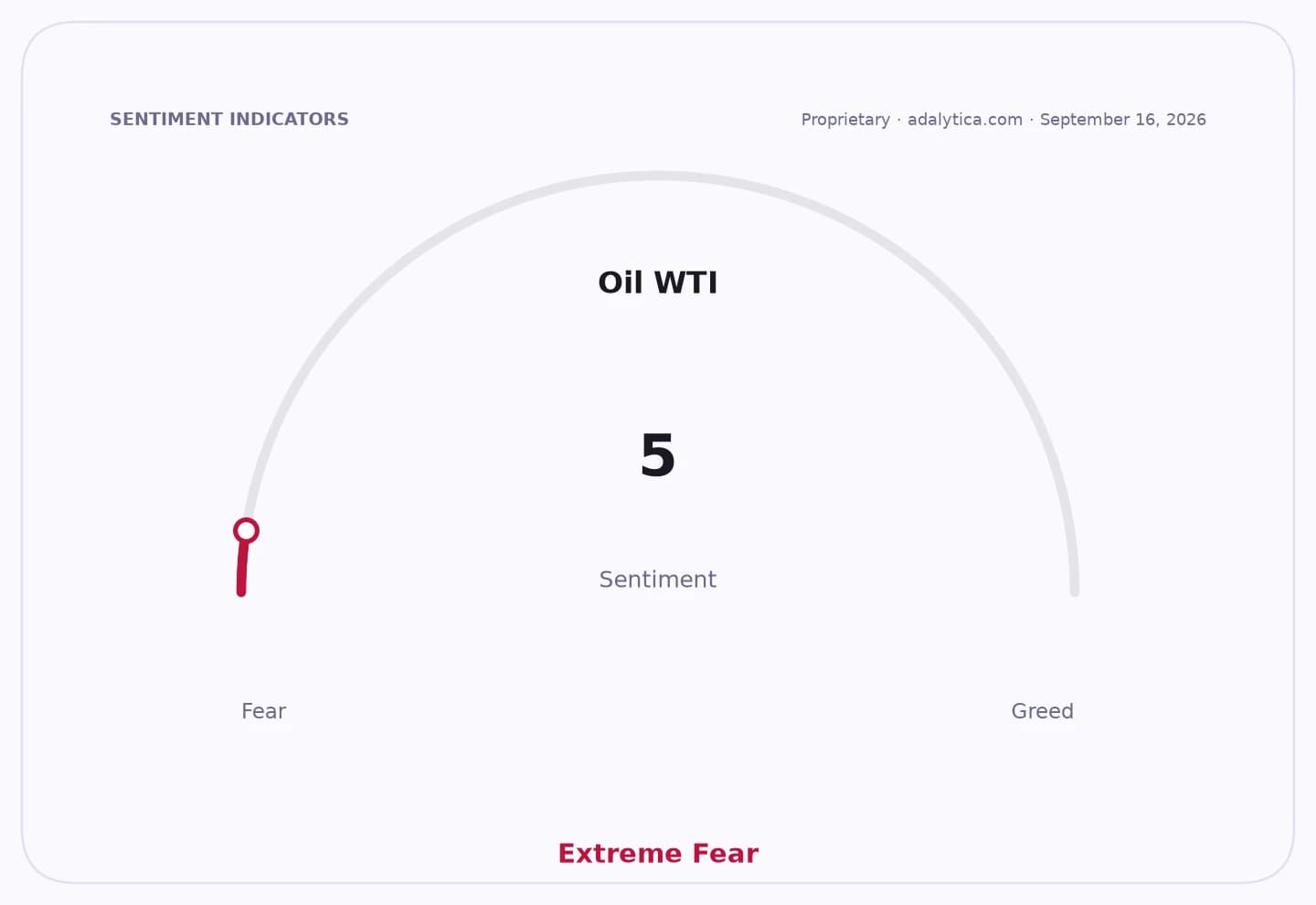
Sentiment IndicatorsⓘProprietary · adalytica.com · September 18, 2026
This is a snapshot — live sentiment, awareness and momentum for 130+ markets update continuously in the dashboard.Open AlphaPulse
The company’s operating result from the Pande and Temane joint venture, in which CMH holds a 25% stake and Sasol operates the fields, fell 23% to $72.8 million. CMH blamed lower international prices and weaker sales volumes, underscoring how a mature gas basin can be hit at both ends at once: declining reservoirs and weaker market realizations.
Operational data show the pressure more clearly. Natural gas sales fell 15.6% to 142.2 million gigajoules, while condensate sales slipped 11.1%. Average gross gas production dropped 18% to 402 million cubic feet per day, and condensate output fell 8.4% to 787 barrels per day.
CMH said temporary disruptions also hurt performance, including issues at the Temane processing plant, limits at some wells and January floods that blocked access on National Road 1, delaying condensate evacuation for weeks. But management made clear the larger problem is structural: the fields’ remaining reserves are shrinking and the current investment cycle to extend production is nearing its end.
That leaves CMH under pressure to replace cash flow before the decline accelerates. The company said it is actively searching for new opportunities in oil and gas and related businesses, calling diversification essential to remain economically relevant once Pande and Temane stop delivering current revenue levels.
For investors, the message is that CMH’s earnings base is moving from a production story to a transition story. The near-term risk is lower output and weaker cash generation; the longer-term question is whether the company can secure new assets or businesses fast enough to offset the decline of its legacy fields. The next catalyst is likely to be further details on exploration, replacement projects or partnerships that could define CMH’s post-Pande, post-Temane business model.
| Entity | Gains | Losses |
|---|---|---|
| CMH | ▲diversification optionality | ▼core cash flow erosion |
| Sasol | ▲continued field operations | ▼lower joint-venture output |
| Mozambique gas buyers | ▲near-term supply continuity | ▼tighter future supply |
| Investors | ▲clarity on transition strategy | ▼earnings visibility from legacy assets |