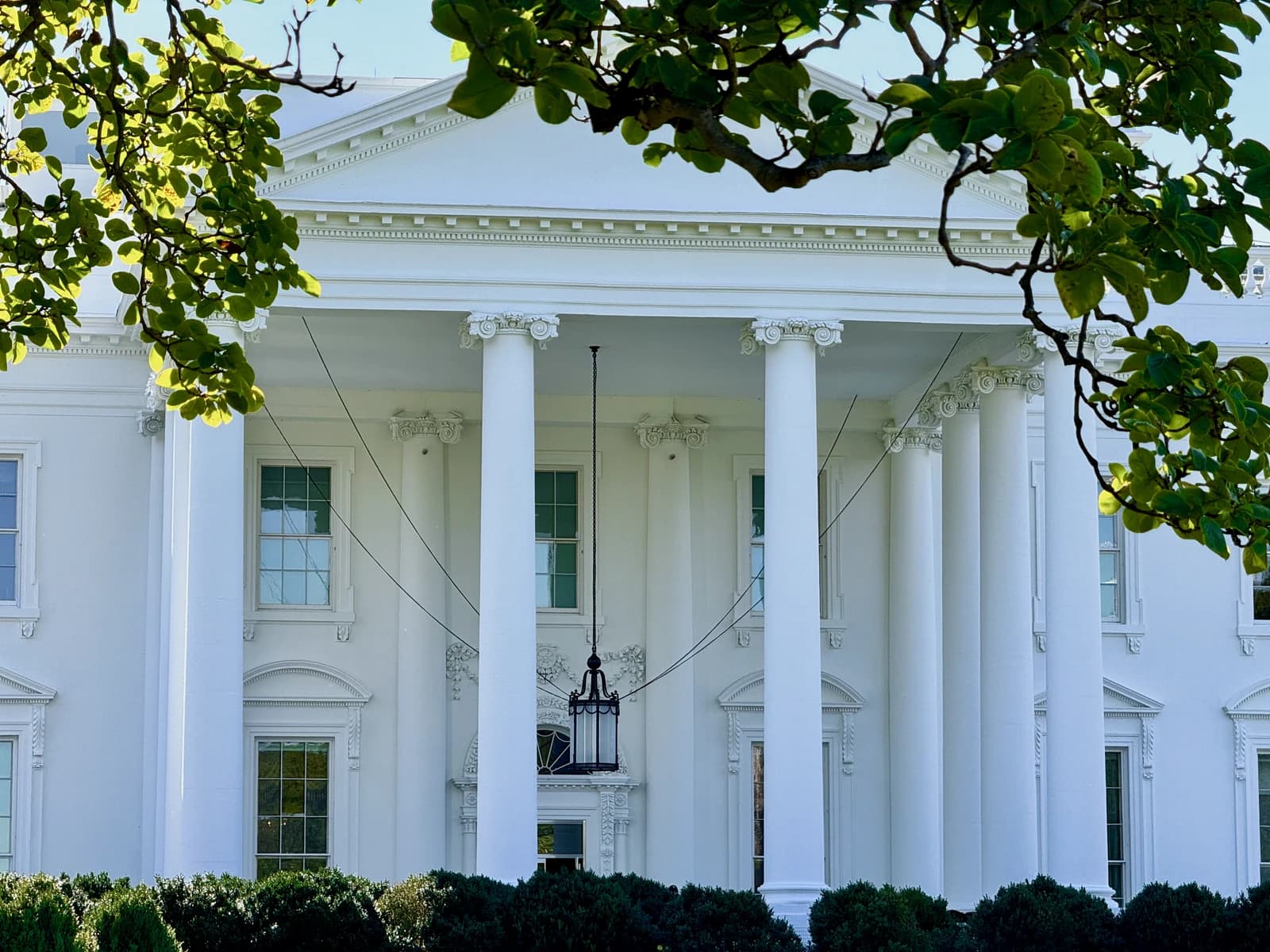
CNN, MSNBC and Politico have sued Donald Trump over the White House’s decision to block them from press access, turning a media fight into a direct test of the First Amendment and the administration’s control over information flows from the seat of government.
CNN MSNBC Politico Sue Trump Over White House Access
The lawsuit matters because White House access is not just a symbolic perk. It is a core channel for distributing policy information, shaping market expectations and holding the executive branch accountable. If the administration can exclude major outlets on political grounds, it raises the cost of reporting, narrows the audience for dissenting coverage and increases the risk that investors, businesses and voters receive a more filtered view of policy.
Sentiment IndicatorsⓘProprietary · adalytica.com · September 25, 2026
This is a snapshot — live sentiment, awareness and momentum for 130+ markets update continuously in the dashboard.Open AlphaPulse
For markets, the issue is less about cable news ratings than about policy transparency. Investors depend on timely White House communication on trade, taxes, regulation, sanctions and geopolitics. A restricted press corps can slow the flow of information and widen uncertainty around the direction of policy, particularly at a time when sentiment on U.S. policy direction in the Adalytica snapshot has swung sharply into “Extreme Fear” even as awareness is elevated. That combination suggests the issue is resonating well beyond media circles.
The case also lands in a broader environment of institutional stress. Recent pressure on press freedom has already drawn criticism from advocacy groups and international observers, who argue the United States risks weakening a standard it has long projected abroad. Bloomberg Economics data in the broader context also point to a labor market that remains stable, with U.S. unemployment forecast at 4.0% in September from 4.1% in August, underscoring that political confrontation, not economic weakness, is driving the news flow.
Trump Media, whose shares and warrants often trade as a referendum on Trump’s political standing, may also be watched for spillover sentiment even if the lawsuit is not a direct corporate event. The bigger investment question is whether a more adversarial White House-media relationship increases policy opacity and legal friction, both of which tend to add to volatility across sectors sensitive to government action.
The next catalyst is whether the courts move quickly enough to restore access before the dispute hardens into a precedent. A ruling against the administration would reinforce media protections and limit future exclusion tactics. A ruling that gives the White House more discretion would widen the political use of access as leverage, with implications for journalism, governance and the information premium embedded in U.S. assets.
| Entity | Gains | Losses |
|---|---|---|
| CNN, MSNBC, Politico | ▲Legal standing for access rights | ▼Loss of White House access |
| Trump administration | ▲Control over messaging | ▼Credibility and legal risk |
| Investors | ▲Clarity if courts limit exclusion | ▼Higher policy opacity |
| Press freedom advocates | ▲Stronger First Amendment precedent | ▼Institutional rollback if Trump prevails |