Crypto traders are still voting with their wallets for depth, low fees and access to derivatives, but October’s exchange ranking story is being reshaped by a sharper investor focus on security and regulatory risk after Coinbase disclosed a data leak tied to its partnership with Bithumb.
Coinbase breach shifts crypto exchange rankings
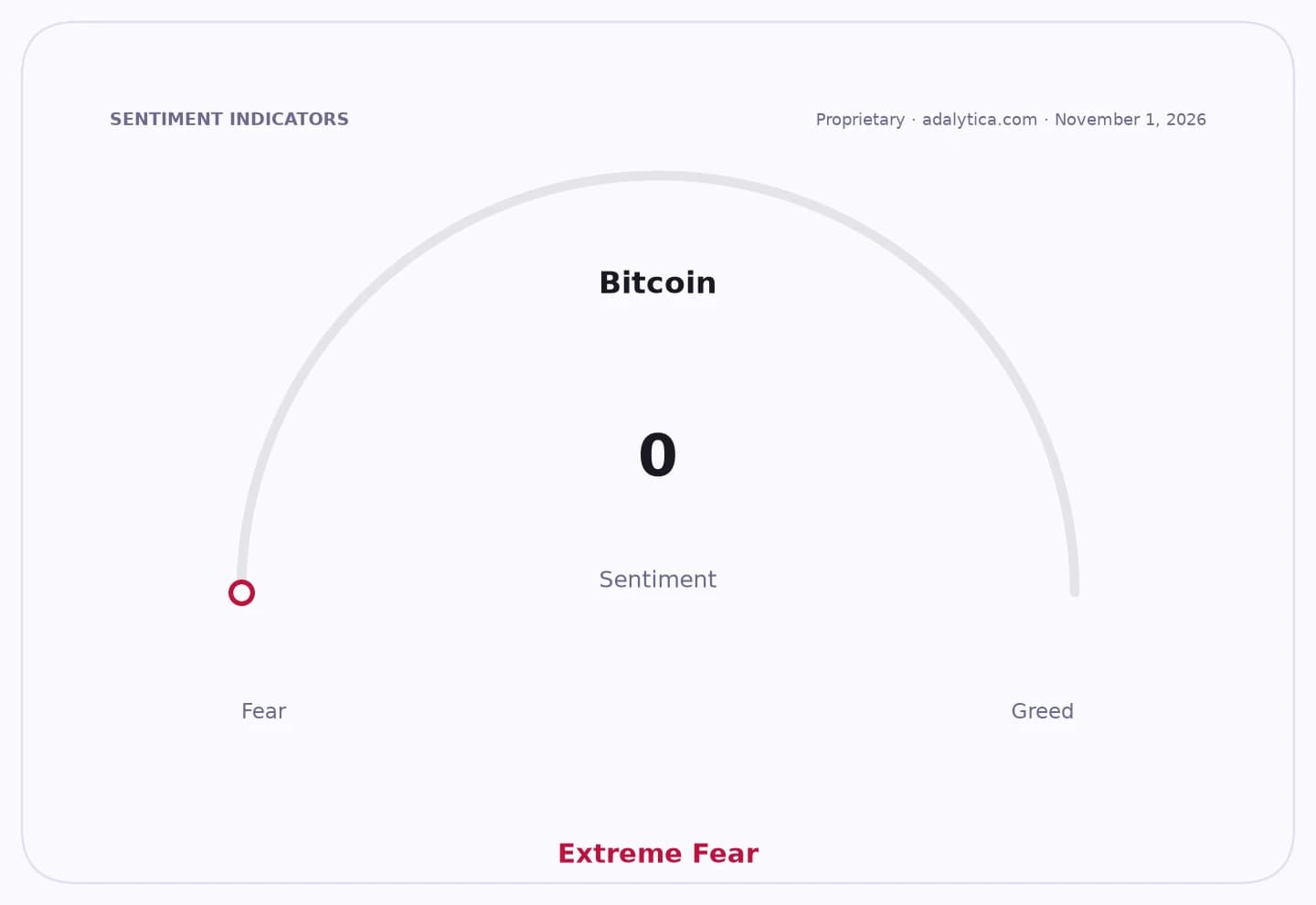
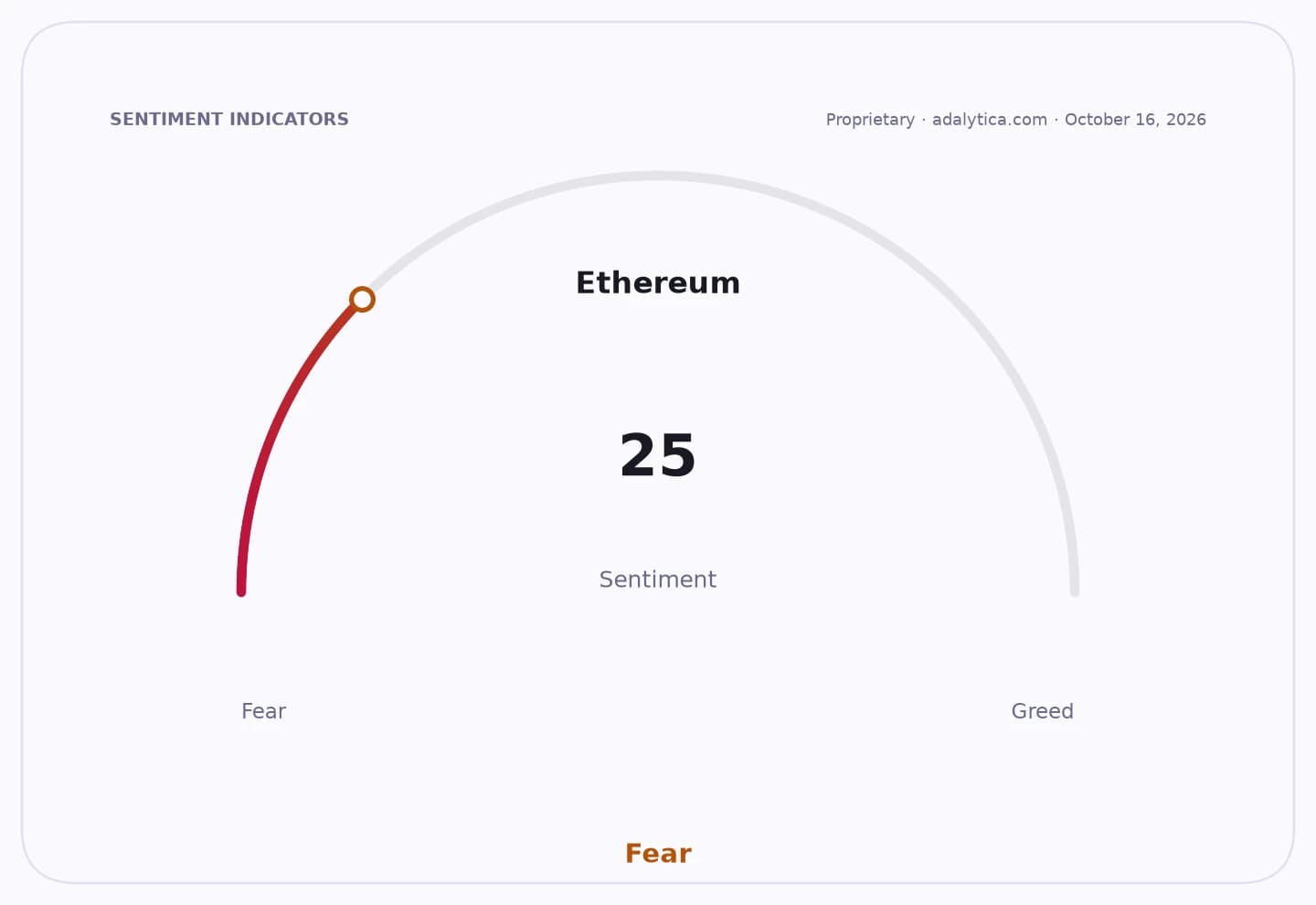
That matters because exchanges are the plumbing of the digital-asset market. The winners are the platforms that can combine liquidity, product breadth and trust; the losers are those that cannot. In a market where bitcoin sentiment on Adalytica’s Bitcoin Fear & Greed Index has sunk to extreme fear, and the US dollar’s trade signals still show extreme greed, traders are increasingly sensitive to counterparty risk and execution quality, not just headline branding.
Sentiment Indicators
By that measure, Binance remains the benchmark for scale, with more than 500 cryptocurrencies, over 1,300 trading pairs and reported daily spot and futures volumes of $11.14 billion and $41.7 billion, respectively. Its low base fees of 0.1% and broad product stack keep it the default venue for active traders outside the US. Coinbase, by contrast, is still the cleanest on-ramp for beginners and one of the most transparent publicly traded names in the sector, but it is also carrying the burden of higher fees and reputational scrutiny after the breach disclosure.
The security issue lands at an awkward moment for Coinbase because trust is one of its main selling points. The stock’s recent move shows investors are recalibrating: after falling to the low $70s in February, Coinbase rallied above $190 in September before sliding back toward $160 late in October, even as technical indicators weakened and the shares slipped below the 50-day moving average. The latest pullback suggests the market is no longer willing to pay solely for brand recognition and public-market disclosure when security and product execution look less certain.
That opens the door for competitors that can market either lower costs or broader access. Kraken continues to appeal to users who prioritize security and fiat on-ramps, with more than 620 cryptocurrencies and 1,350 trading pairs, while MEXC and KuCoin are drawing traders hunting for new and smaller tokens that major US-facing platforms often do not list. Bybit and PrimeXBT remain favored for derivatives-heavy strategies, with Bybit extending from futures into spot and copy trading, and PrimeXBT leaning into leveraged crypto and multi-asset CFDs. Crypto.com sits somewhere in between, bundling trading with payments and a Visa card, but its token-linked incentives can cut both ways when market conditions deteriorate.
The economic significance is straightforward: exchange competition is increasingly a contest over spread capture, fee compression and customer retention in a market where trading volumes can shift quickly when volatility rises. The investor implication is just as clear. Platforms with low fees, high liquidity and strong security are best positioned to keep share as crypto becomes more institutionalized; those exposed to breaches, delays or compliance friction risk losing active traders to rivals with cleaner execution. For now, the top-tier exchanges still dominate the search for October 2026, but the ranking is being shaped less by marketing and more by whether traders believe their assets and orders are safest where they are parked.
| Entity | Gains | Losses |
|---|---|---|
| Binance | ▲Deep liquidity, active traders | ▼US market access |
| Coinbase | ▲Beginners, regulated positioning | ▼Fee-sensitive traders, trust premium |
| Kraken | ▲Security-focused users | ▼Ultra-low-cost traders |
| MEXC / KuCoin | ▲Altcoin hunters | ▼Risk-averse investors |