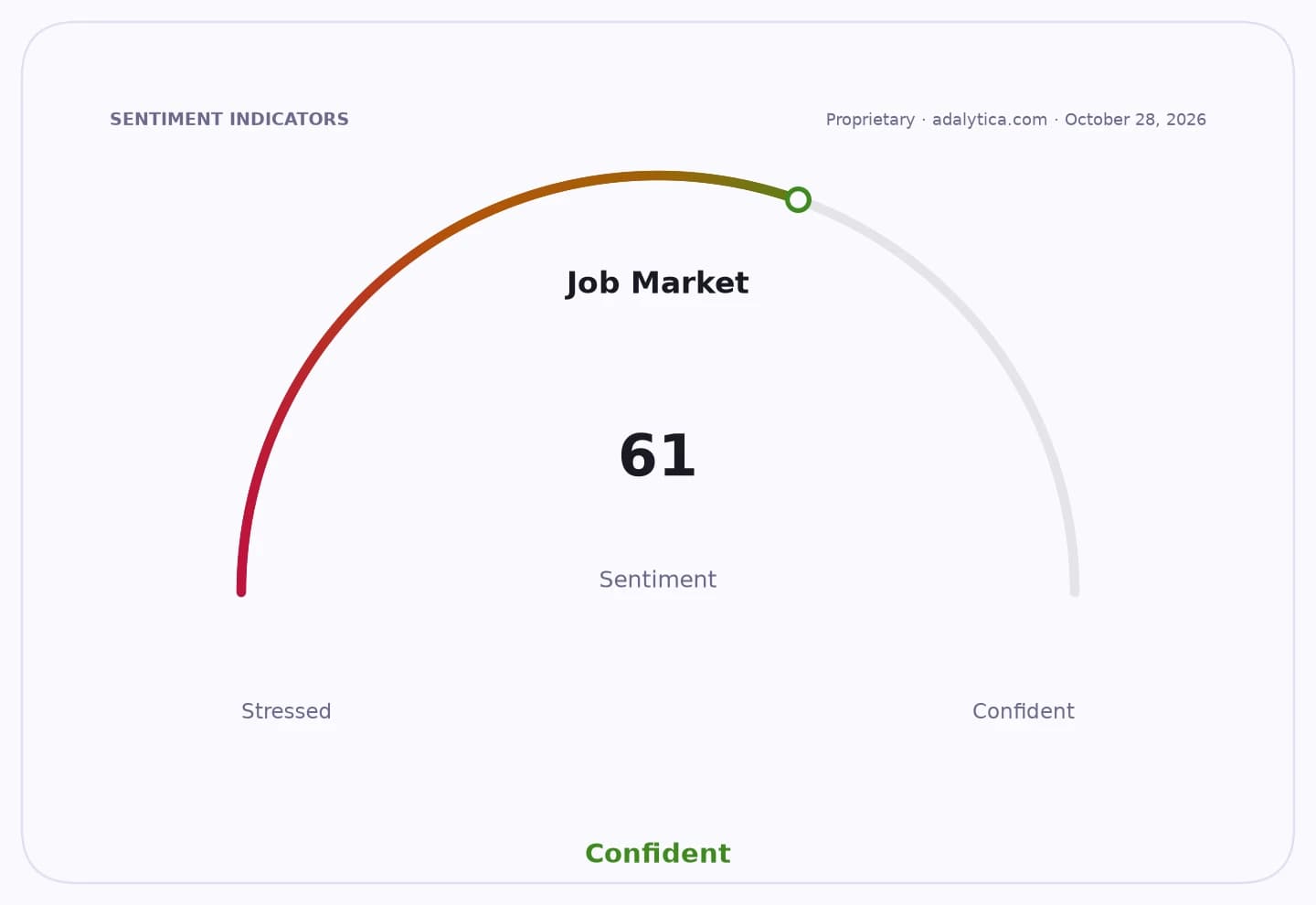
Cornell University is moving to capture one of higher education’s biggest secular opportunities: the race to train workers for an economy increasingly shaped by artificial intelligence.
Cornell University to launch AI master's programs
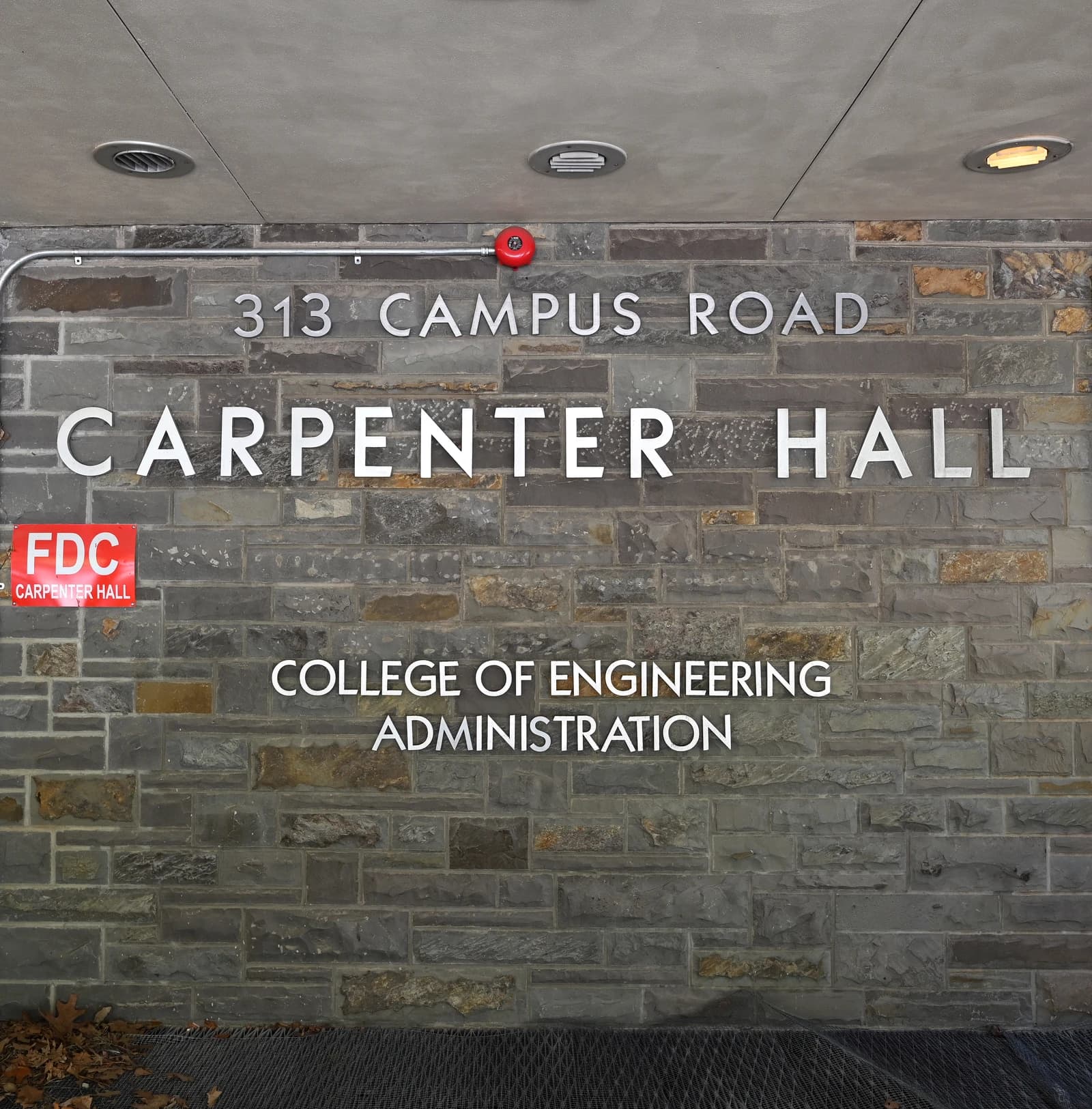
The university said it will launch two online master’s programs in artificial intelligence in fall 2027, one aimed at people who want to build AI systems and another for professionals who want to use the technology in their jobs. That matters because demand for AI fluency is no longer confined to software engineers. Companies across finance, health care, manufacturing and government are looking for employees who can deploy AI responsibly, and universities that can deliver credible, flexible training stand to win a larger share of that growing market.

Cornell Ann S. Bowers College of Computing and Information Science said both degrees will combine online coursework with short residential experiences, giving working adults access to Cornell faculty and research without forcing them to leave their jobs. The more technical M.S. in artificial intelligence will focus on the mathematical, computational and systems foundations behind modern AI. The applied track will be open to professionals without prior programming or mathematics experience, a sign Cornell is aiming beyond the traditional computer science audience.
That distinction is important for investors watching the education sector. The biggest long-term value in AI training will likely come from serving two different customer sets: workers who need enough technical depth to build models and products, and managers who need practical skills to use AI to cut costs, speed workflows and improve decision-making. Cornell is trying to reach both. In a market where credibility matters, the Cornell name is the product.
The move also reflects a broader shift in the labor market. AI is not just a technology trend; it is becoming a baseline workplace skill. As companies automate routine tasks and redesign workflows, they will need people who understand not only how to use AI tools, but how to evaluate their limits, risks and governance. Cornell said students will learn to assess how AI is developed, used and governed, which should make the programs more relevant to employers worried about compliance, ethics and model reliability.
For long-term investors, the story is bigger than one university launch. It reinforces the case for education platforms, online learning providers and institutions that can monetize professional upskilling at scale. It also underscores why AI demand extends well beyond chipmakers and cloud providers. If AI is changing the way work gets done, then training, certification and workforce reskilling become part of the same investment theme.
There are risks, of course. The online degree market is crowded, and many programs struggle to prove they are worth the tuition. The real test will be whether Cornell can attract enough working professionals and maintain quality while expanding access. But if it succeeds, the programs could become a durable source of demand from students who want a high-trust credential in a fast-moving field.
For investors, the takeaway is simple: AI education is becoming a long-duration growth opportunity, and Cornell is positioning itself early. This is a trend worth watching and, for patient investors, one that fits a broader theme of durable demand for skills that help people work alongside AI rather than be replaced by it.
| Entity | Gains | Losses |
|---|---|---|
| Cornell University | ▲New tuition demand | ▼More competition for attention |
| Working professionals | ▲Flexible AI credentials | ▼Time and tuition costs |
| Employers | ▲Better-trained AI talent | ▼Higher training expectations |
| Lower-tier online programs | ▲— | ▼Tougher competition from a brand-name university |