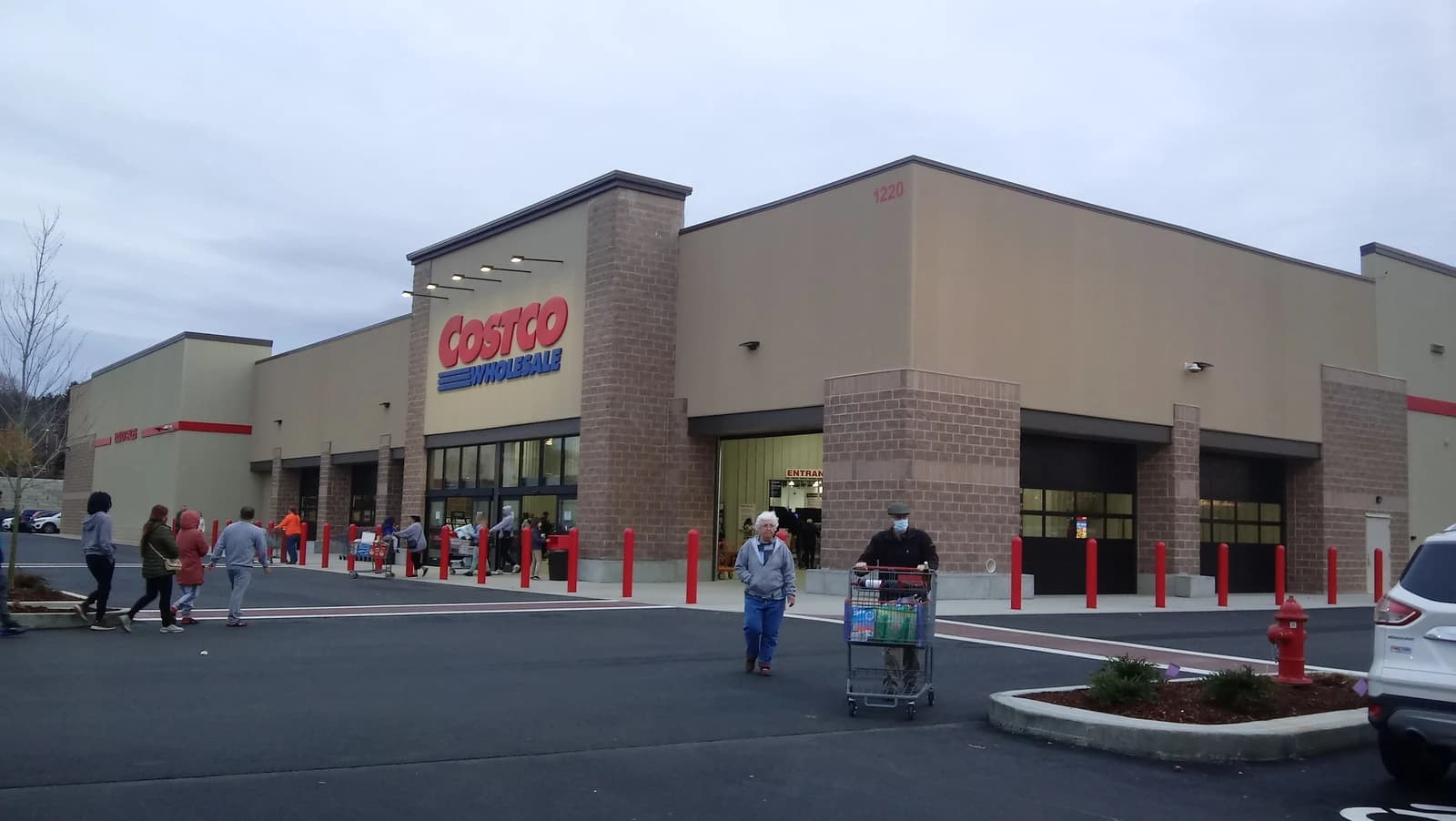
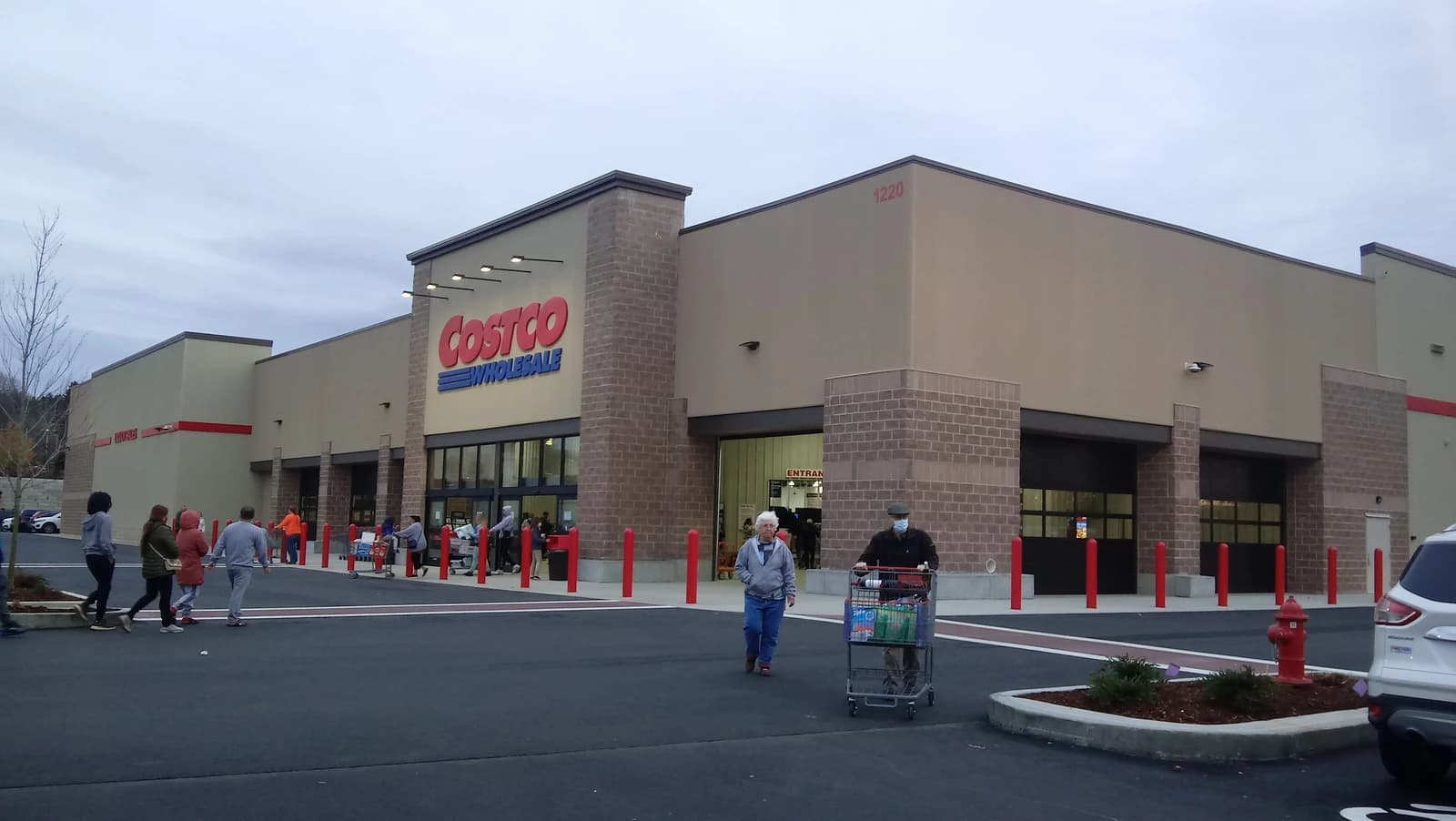
A planned Costco in Asheville moved a step closer to construction after the city council unanimously approved a rezoning request, giving the warehouse club a critical land-use green light in a market where local approvals can make or break big-box expansion.
Costco Asheville rezoning clears path for store
The vote matters because Costco’s growth model depends on securing sites and navigating municipal rules, a process that has increasingly become a bottleneck for large retailers. In Asheville, the council’s decision reduces tree-canopy requirements on the project from 15% to 13%, clearing one of the last major zoning obstacles after the initial application was withdrawn in February over city, seller and transportation issues.
For investors, the development is more than a local planning win. Costco has long traded at a premium on the back of steady membership revenue, traffic and disciplined expansion, but the stock’s valuation also assumes continued access to attractive new sites. The company’s latest annual filing flagged property acquisition and local land-use restrictions as material risks to timely growth, underscoring why each incremental store approval matters to long-term unit expansion.
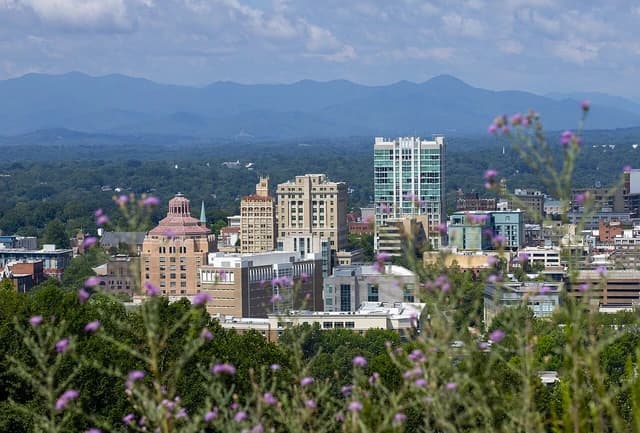
The Asheville store would add to Costco’s footprint in a region where management sees room for growth and where local officials expect the project to bring about 300 jobs, along with lower grocery and fuel prices through added competition. That pitch is central to the political case for warehouse clubs: a single store can reshape local retail pricing, pressure incumbent grocers and pull shopping traffic away from smaller chains.

The rezoning was approved after public debate over tree canopy preservation and traffic, issues that often become flashpoints for new big-box developments. But the economic logic behind the project remained clear to city leaders, who framed the store as a source of jobs, consumer choice and tax base expansion. For Asheville residents, the real impact will be whether Costco can deliver lower everyday prices in a market still sensitive to inflation in food and fuel.
The broader investment angle is that Costco continues to push into high-income and high-growth markets while managing the regulatory friction that comes with large-format retail. The Asheville approval does not guarantee an opening, but it does remove a major execution risk. For Costco holders, the key question now is how quickly the company can convert local approvals into openings without eroding its disciplined site selection or the premium multiple the shares command.
| Entity | Gains | Losses |
|---|---|---|
| Costco | ▲New store pipeline | ▼Zoning uncertainty |
| Asheville consumers | ▲More choice, lower prices | ▼Less room for small grocers |
| Local labor market | ▲About 300 jobs | ▼Some traffic pressure |
| Incumbent grocers | ▲— | ▼Added price competition |