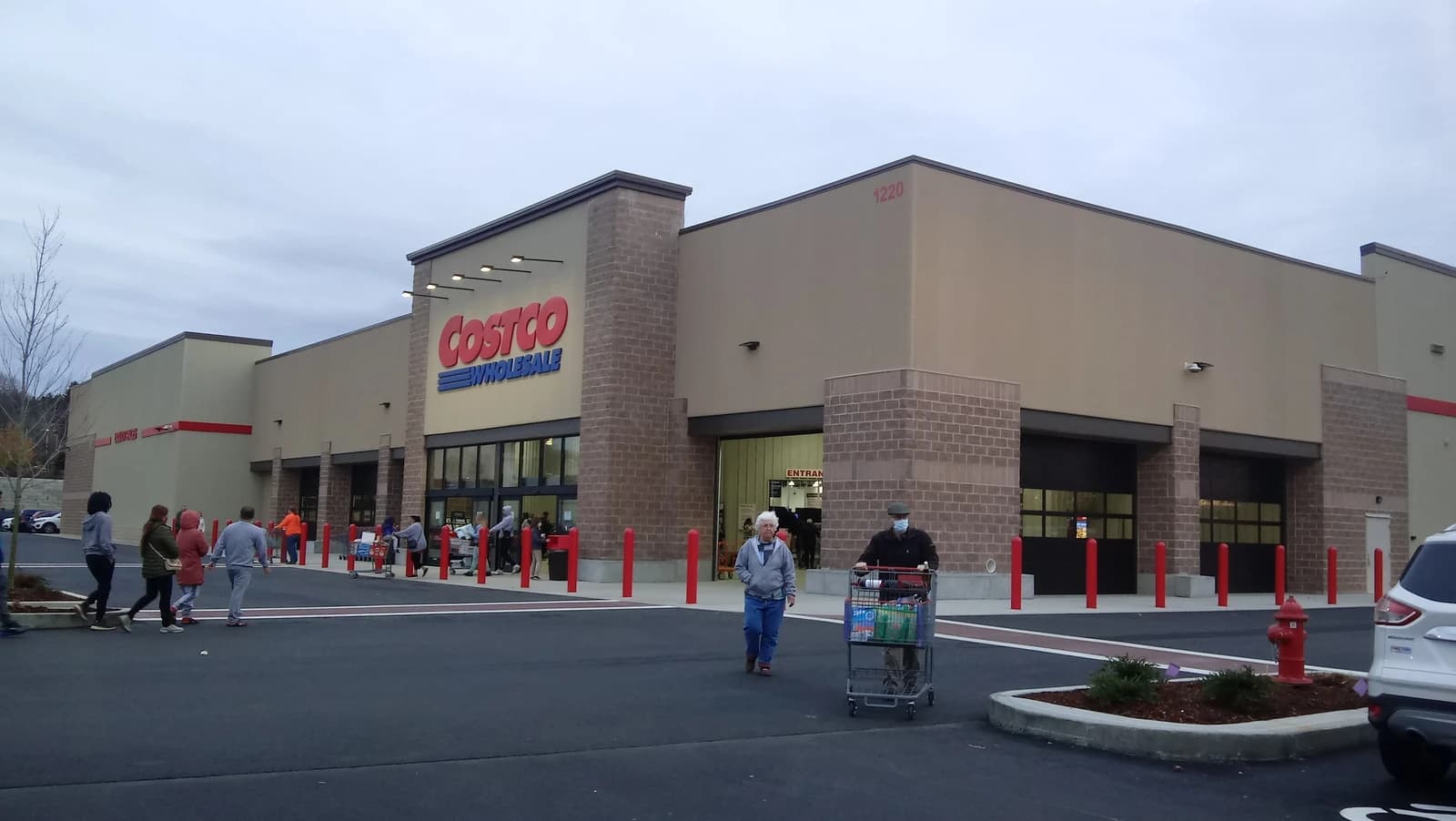
Costco’s latest weekend discount push underscores how aggressively retailers are leaning on promotions to defend traffic as consumers remain highly price sensitive and the broader U.S. spending backdrop weakens.
Costco Promotions Signal Intensifying Retail Price War
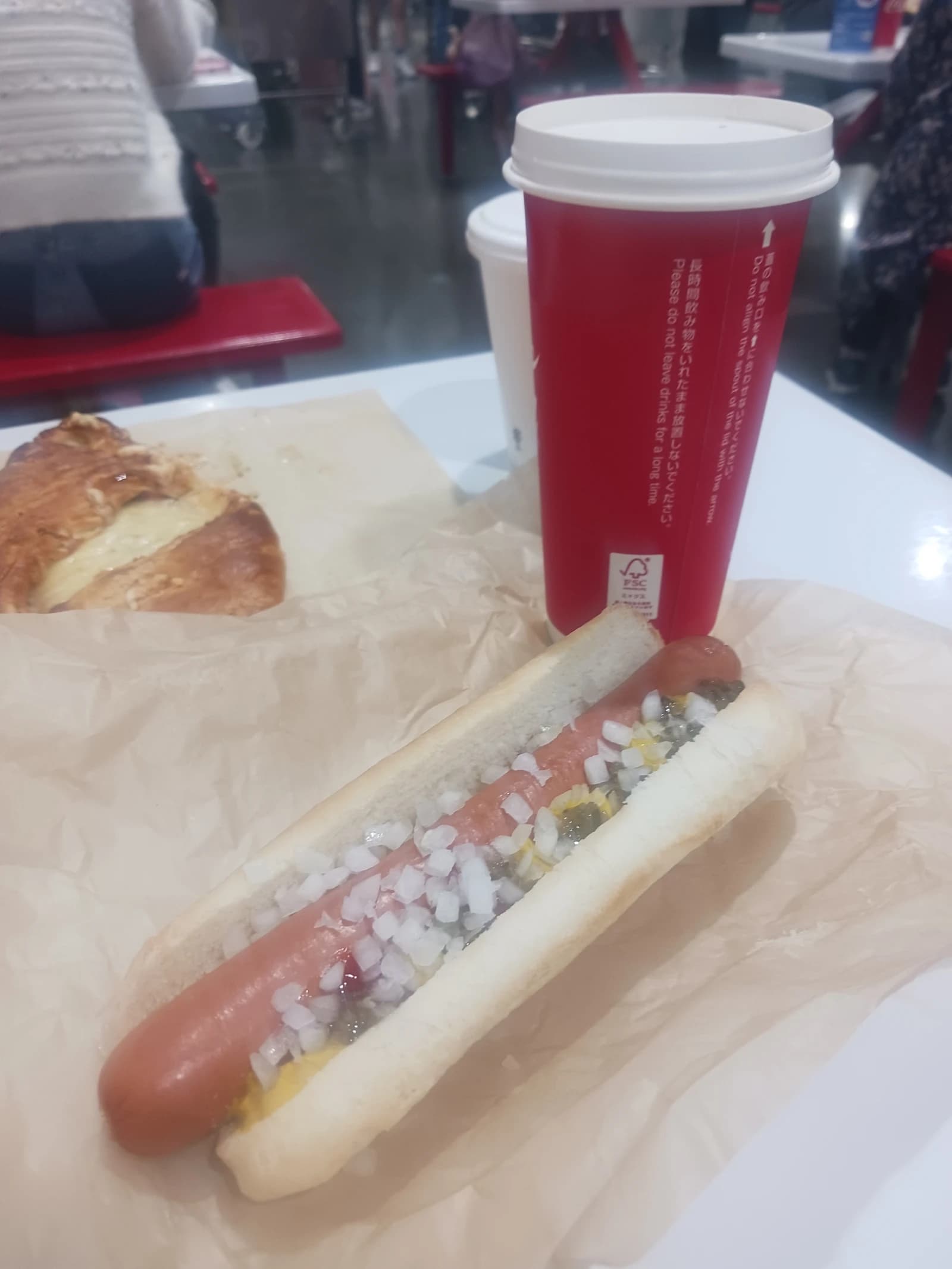
The event matters because Costco’s business model is built on low prices, rapid inventory turnover and membership loyalty, so even a short-lived promotion can be a useful read on demand trends across the retail complex. When a warehouse operator known for disciplined pricing gets more promotional, it often signals that the fight for the budget-conscious consumer is intensifying rather than easing.
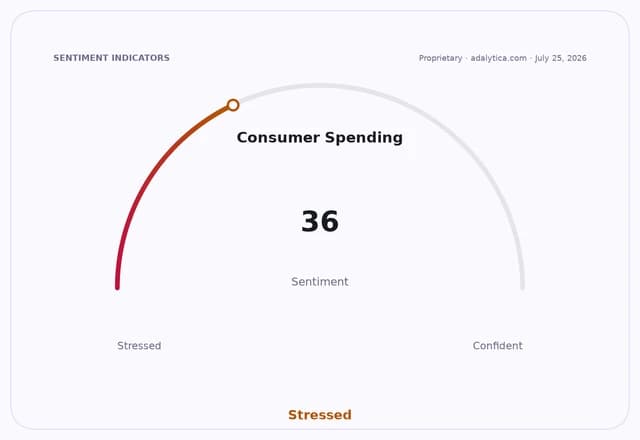
Sentiment IndicatorsⓘProprietary · adalytica.com · July 25, 2026
This is a snapshot — live sentiment, awareness and momentum for 130+ markets update continuously in the dashboard.Open AlphaPulse

That dynamic comes against a more fragile consumer backdrop. Adalytica’s Consumer Spending Sentiment snapshot shows sentiment at 36, with awareness at just 11 and both measures down sharply over the past month, suggesting shoppers are more hesitant even as they remain alert to deals. Walmart’s own earnings sentiment has collapsed to “Extreme Fear” in the same dataset, a reflection of investor anxiety around whether value retailers can keep volume growing without sacrificing profitability.
The share-price action in the sector also suggests investors are rebalancing expectations. Costco shares have retreated from a peak above $1,090 in May to about $935 on July 24, slipping below its 50-day moving average after a period of stretched momentum. The stock’s RSI near 44 and a still-negative MACD point to a market that has cooled from overbought conditions but has not yet found a decisive technical floor. Walmart, meanwhile, has stabilized near $109 after a far larger drawdown from its early-year high, while Target has recovered more strongly, hinting that investors are differentiating between retailers with stronger traffic, cleaner inventory positions and better pricing power.
For Costco, the bull case is that promotions reinforce the company’s core proposition: members are loyal, baskets are large and traffic can hold up even when consumers trade down. The latest 10-Q showed membership fee revenue rose 11% in the third quarter to $1.37 billion, helped by new sign-ups, fee increases and upgrades to Executive Membership, while comparable sales benefited from higher ticket and shopping frequency. That gives Costco room to use selective discounts as a traffic lever without immediately undermining the economics of the membership model.
The bear case is that heavier discounting, even if tactical, can compress gross margin at a time when investors are already paying a premium for dependable growth. Costco’s model depends on scale and discipline, but the more promotions become necessary to clear product or defend share, the more they can erode the reputation for steady pricing that has long supported the stock’s valuation. The same is true across the sector: Walmart can absorb more pressure because of its scale and grocery mix, while Target remains more exposed to discretionary weakness and margin volatility.
The broader narrative is that retailers are entering a more promotional phase just as consumers are becoming more selective. That should help bargain hunters in the short term, but it also raises the stakes for earnings quality across big-box and warehouse chains heading into the next round of sales updates. Investors will be watching whether Costco’s weekend discounting stays limited and tactical, or whether it becomes another sign that even the strongest retailers are having to pay up for volume.
| Entity | Gains | Losses |
|---|---|---|
| Costco shoppers | ▲Lower prices | ▼Fewer premium margins |
| Costco | ▲Traffic support | ▼Gross margin pressure |
| Walmart | ▲Value-seeker share gains | ▼Same-side promotional pressure |
| Target | ▲Potential trading-up relief | ▼Discretionary weakness |