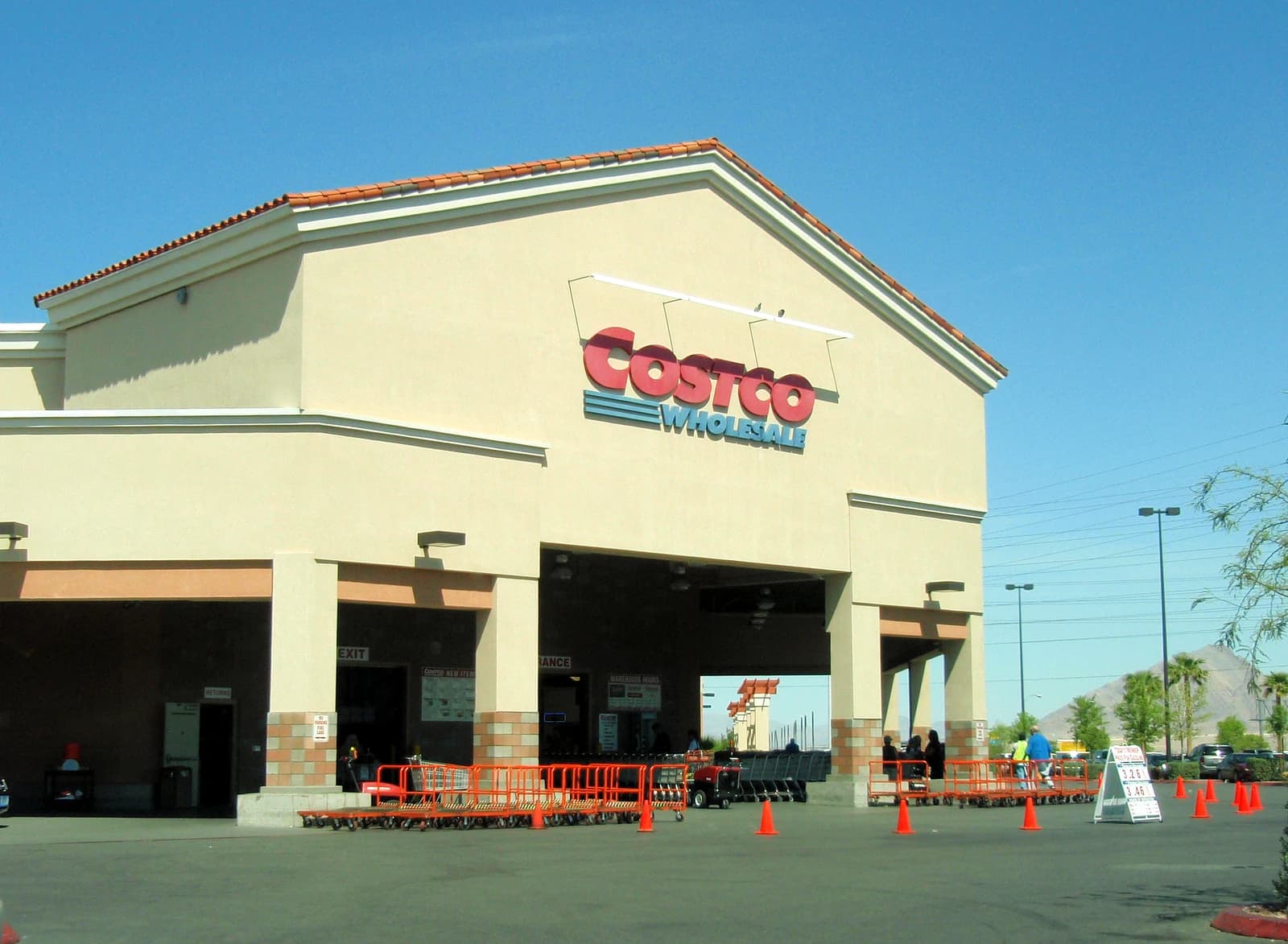
Canadian shoppers are being pushed toward a new kind of boycott logic: not just what they buy, but what they refuse to buy on principle, with Costco and Walmart exposed to a backlash that could reshape cross-border retail demand.
Costco, Walmart Face Canada Boycott Backlash

That matters because this is no longer a niche consumer grievance. When safety concerns, tariff friction and “buy Canadian” politics converge, they can change basket mix, vendor relationships and margin structure for mass retailers that rely on scale and imported goods. For Costco, the issue lands at a sensitive point: the stock has rebounded to $947.74 after a sharp summer drawdown, but it still sits just below its 200-day moving average and the 50-day average, while RSI readings around 47 suggest the recent recovery is fragile rather than decisively strong.
Sentiment IndicatorsⓘProprietary · adalytica.com · August 22, 2026
This is a snapshot — live sentiment, awareness and momentum for 130+ markets update continuously in the dashboard.Open AlphaPulse
The bigger economic story is that Canada’s consumer is becoming more selective, and retailers are being forced to defend not just price but provenance. Walmart has already flagged a highly dynamic tariff environment and said less than one-third of what it sells in the U.S. is imported, underscoring how exposed mass-market chains remain to policy shifts and supply-chain politics. That matters to investors because imported private-label and discretionary goods are usually where retailers extract the best mix economics; if shoppers start avoiding certain country-of-origin products, gross margin leverage gets harder to defend.
For Costco, the risk is not a collapse in demand but a margin and reputation squeeze. The company has long sold itself on “pricing authority” and value, yet its own filings acknowledge it may cut prices or hold them steady to meet competition, even at the expense of gross margin. In a period when consumer spending sentiment from Adalytica sits in fear territory, that is exactly the kind of backdrop that can force retailers into a race to the bottom on price while still absorbing higher sourcing costs.
The investable angle is that the market may be underestimating second-order winners. Domestic Canadian suppliers, grocery chains with local sourcing, and U.S. retailers with stronger control over North American supply chains can gain share if politically driven purchasing becomes sticky. Costco can still win over the long run because of its membership model and traffic power, but the near-term message is clear: the shelf is becoming political, and that can change what gets sold, what gets marked down, and who keeps pricing power.
If this turns into a broader consumer movement rather than a passing online boycott, expect more pressure on imported packaged foods, discretionary brands and any retailer whose value proposition depends on volume rather than origin. For investors, the best way to play it is not to chase the loudest backlash, but to own the businesses that can keep selling essentials without becoming the target of it.
| Entity | Gains | Losses |
|---|---|---|
| Canadian-made brands | ▲Shelf preference | ▼Import backlash |
| Domestic grocers | ▲Traffic from patriots | ▼Limited scale |
| Costco | ▲Traffic resilience | ▼Margin pressure |
| Walmart/import-heavy retailers | ▲Value proposition | ▼Tariff and sourcing risk |