Croatia is set to force employers to disclose salary ranges before job interviews and let workers ask for average pay data, bringing a long-standing culture of pay secrecy to an end and extending the new rules to employees from Serbia and other regional labor markets.
Croatia to Require Salary Ranges Before Interviews
The change matters because it shifts bargaining power toward workers at a time when Croatia, like much of central and eastern Europe, is still grappling with labor shortages, tight wage competition and pressure to narrow gender pay gaps. By transposing the EU pay transparency directive, Zagreb is also moving to avoid penalties for missing the bloc’s implementation deadline, while creating a more standardized framework for how companies set and report compensation.
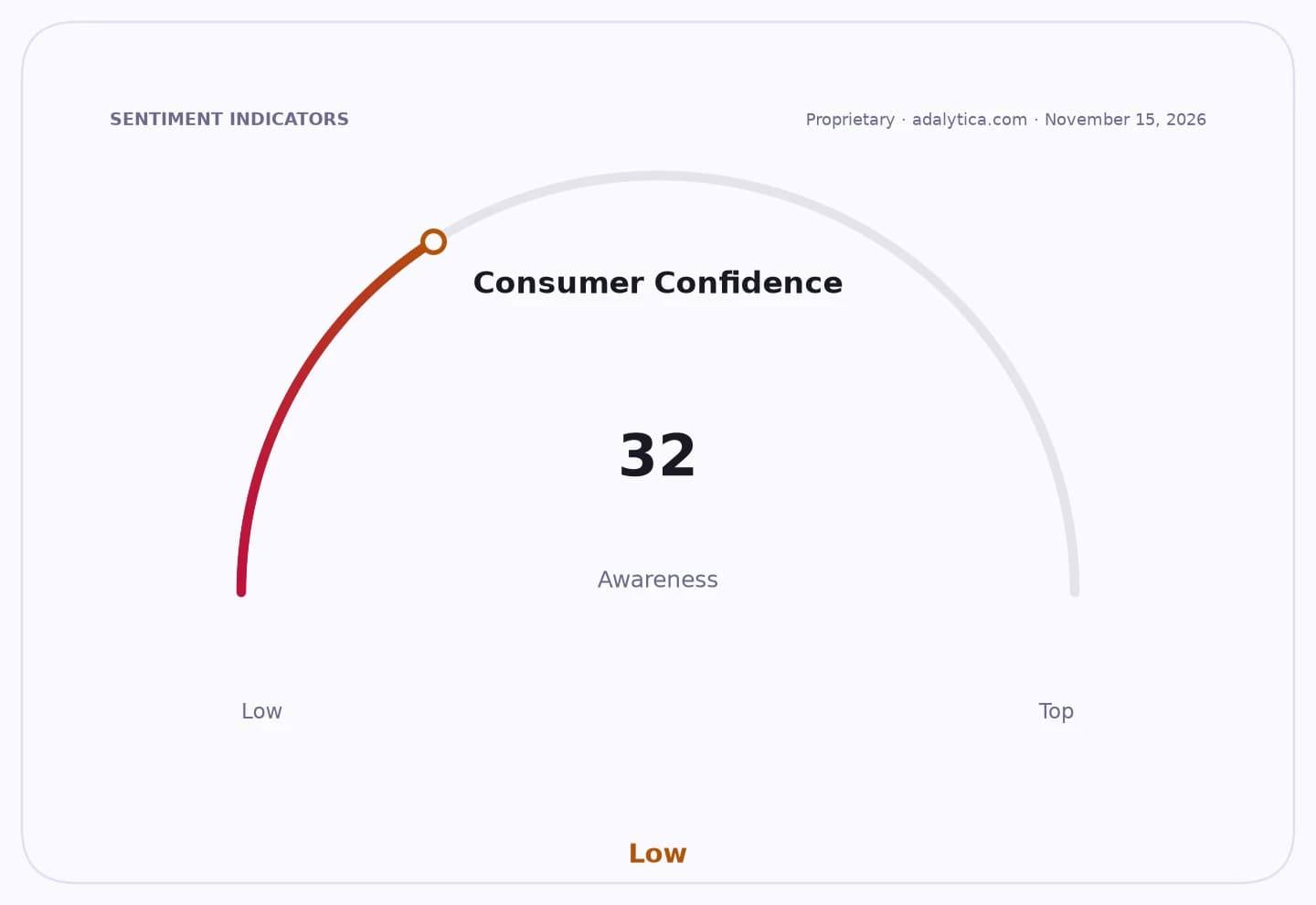
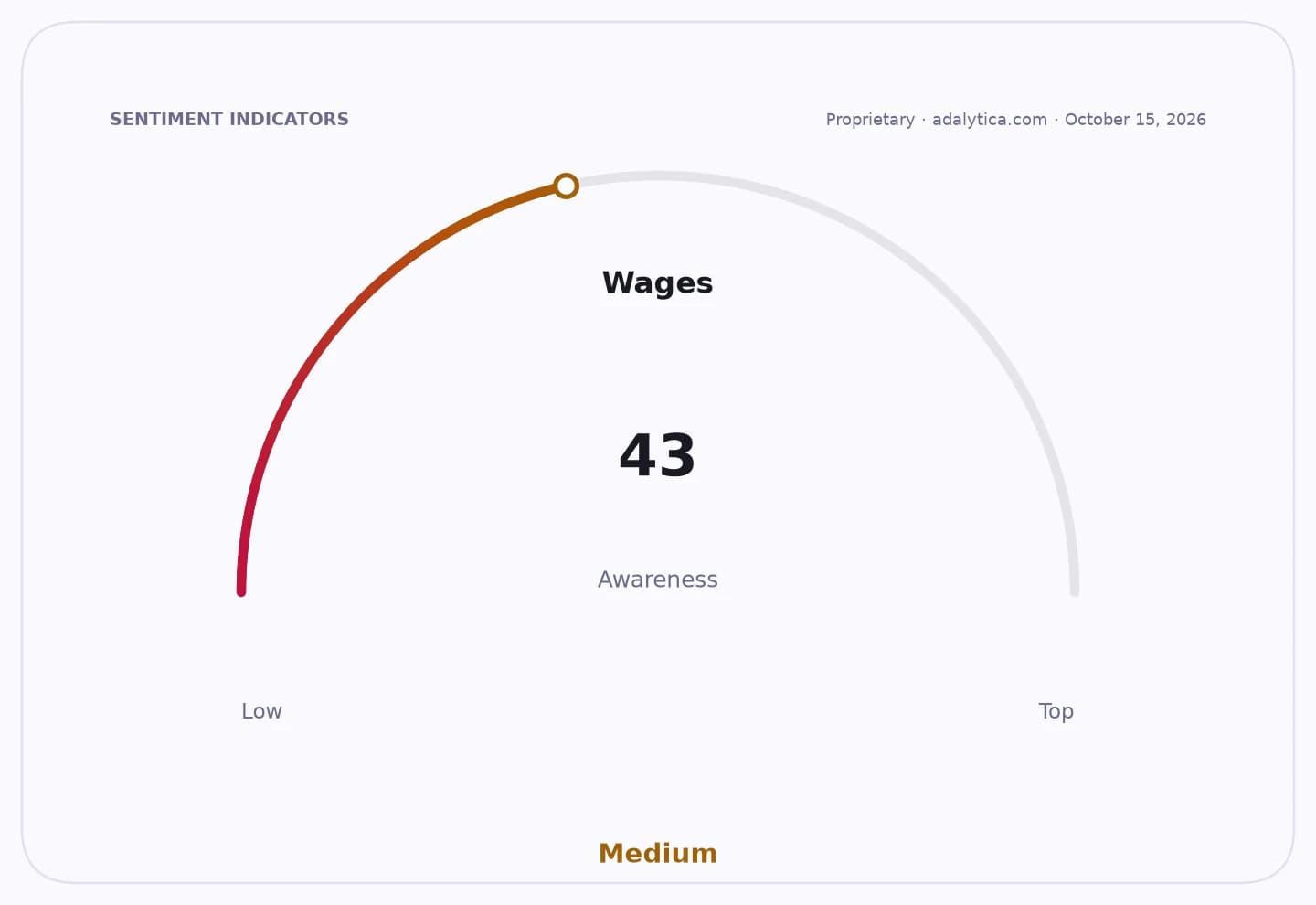
Sentiment Indicators
Under the draft amendments to the Labour Act, candidates must be told the starting salary or pay band for a role before or during the interview, and employers will no longer be allowed to ask applicants what they earned in previous jobs. Workers will be able to request information about their own pay and the average pay of colleagues in the same or similar roles, split by men and women, though not the individual salaries of co-workers.
That could make it harder for employers to underpay new hires based on prior earnings and may compress wage dispersion over time, especially in sectors that rely on cross-border labor from Serbia and the wider Balkans. For employers, the new regime means more formal pay grades, greater administrative burden and the risk of misdemeanor fines if they fail to provide requested data. Larger companies will also have to report gender pay gaps through a new national pay transparency system to be set up by FINA, with at least six months allowed for adjustment after the law takes effect.
For investors and corporate planners, the significance is less about disclosure itself than the wage inflation it can expose. Companies that have relied on opaque compensation structures may face higher payroll costs as workers compare pay bands more easily and press for adjustments. That is particularly relevant in labor-intensive industries and service businesses where retention is already expensive. The measure could also reduce legal and reputational risk for firms with uneven pay structures, but it may increase short-term margin pressure if employers are forced to reset wages to stay competitive.
The reform also fits a broader European trend toward tighter labor regulation and more explicit pay accountability. While supporters will argue it improves fairness and recruitment efficiency, critics may say it adds compliance costs and reduces flexibility in a market that still needs to attract skilled workers. The immediate market impact is likely to be felt most by employers, HR platforms and payroll providers, while workers gain leverage and visibility in a pay-setting process that has long favored employers.
As the legislation moves through public consultation and parliamentary approval, the key question for companies will be how quickly they can redraw pay bands and absorb the cost of greater transparency without damaging hiring or profitability.
| Entity | Gains | Losses |
|---|---|---|
| Workers in Croatia | ▲Pay visibility | ▼Wage secrecy |
| Job seekers | ▲Salary range disclosure | ▼Weak bargaining leverage |
| Employers | ▲Clearer pay structures | ▼Higher compliance burden |
| Regional labor movers from Serbia | ▲Equal treatment rules | ▼Opaque hiring practices |