Romania’s postal operator is heading into contract talks with a labor demand that could lift pay above the national minimum and narrow wage gaps between newer hires and long-tenured staff, a move that could raise operating costs and sharpen pressure on a state-linked business already facing thin margins and public scrutiny.
Romanian Post workers seek higher pay in talks
The immediate significance is not just a labor dispute. It is a test of how far pay normalization is moving across Romania’s low-margin public services, where wage compression has become harder to defend as inflation, labor shortages and higher living costs keep workers pushing for more. The National Postal and Courier Union said it wants base salaries above the minimum wage for all Romanian Post employees, correction of inequities between new and experienced workers and higher meal vouchers, at the opening round of talks for a new collective bargaining agreement.
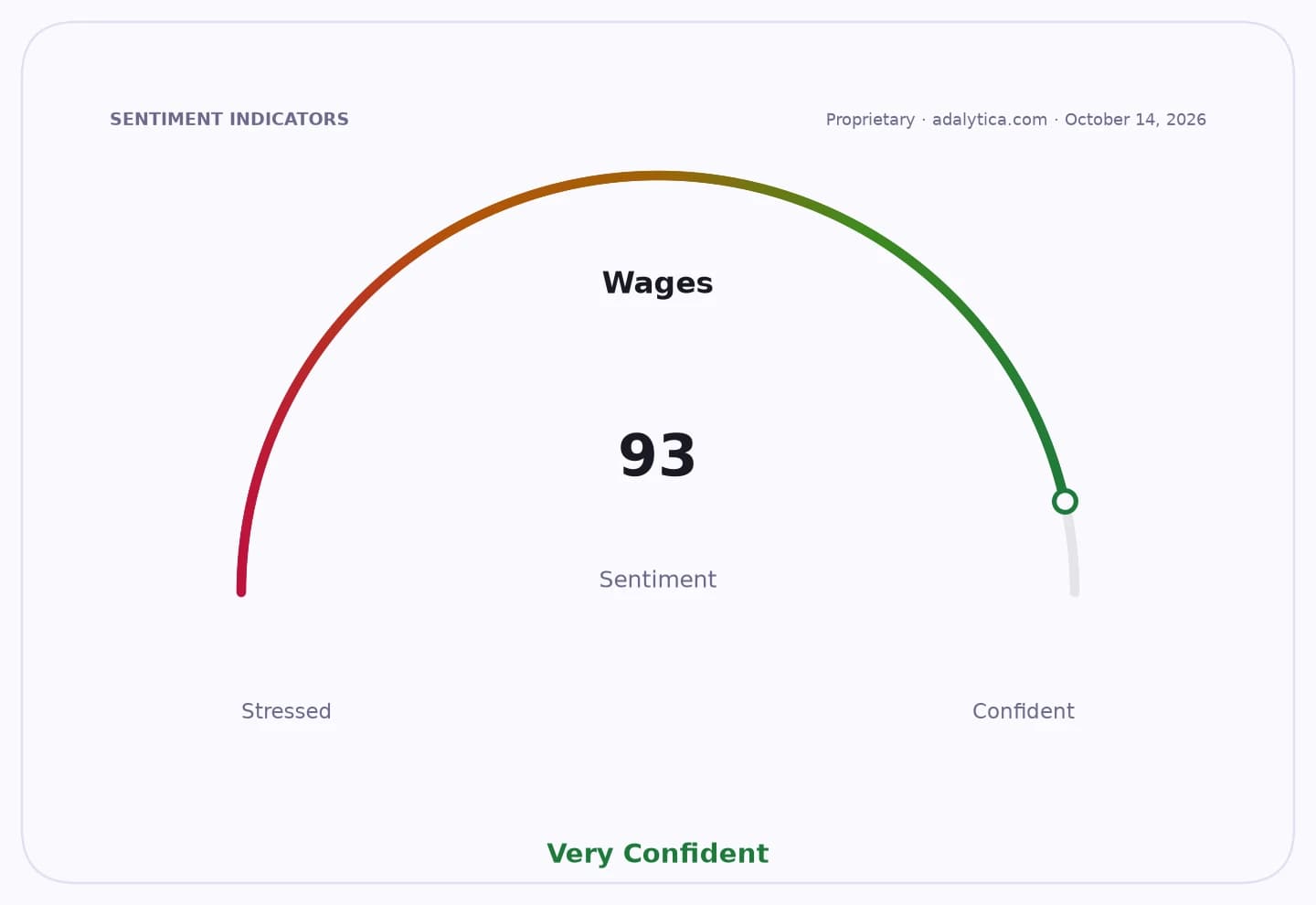
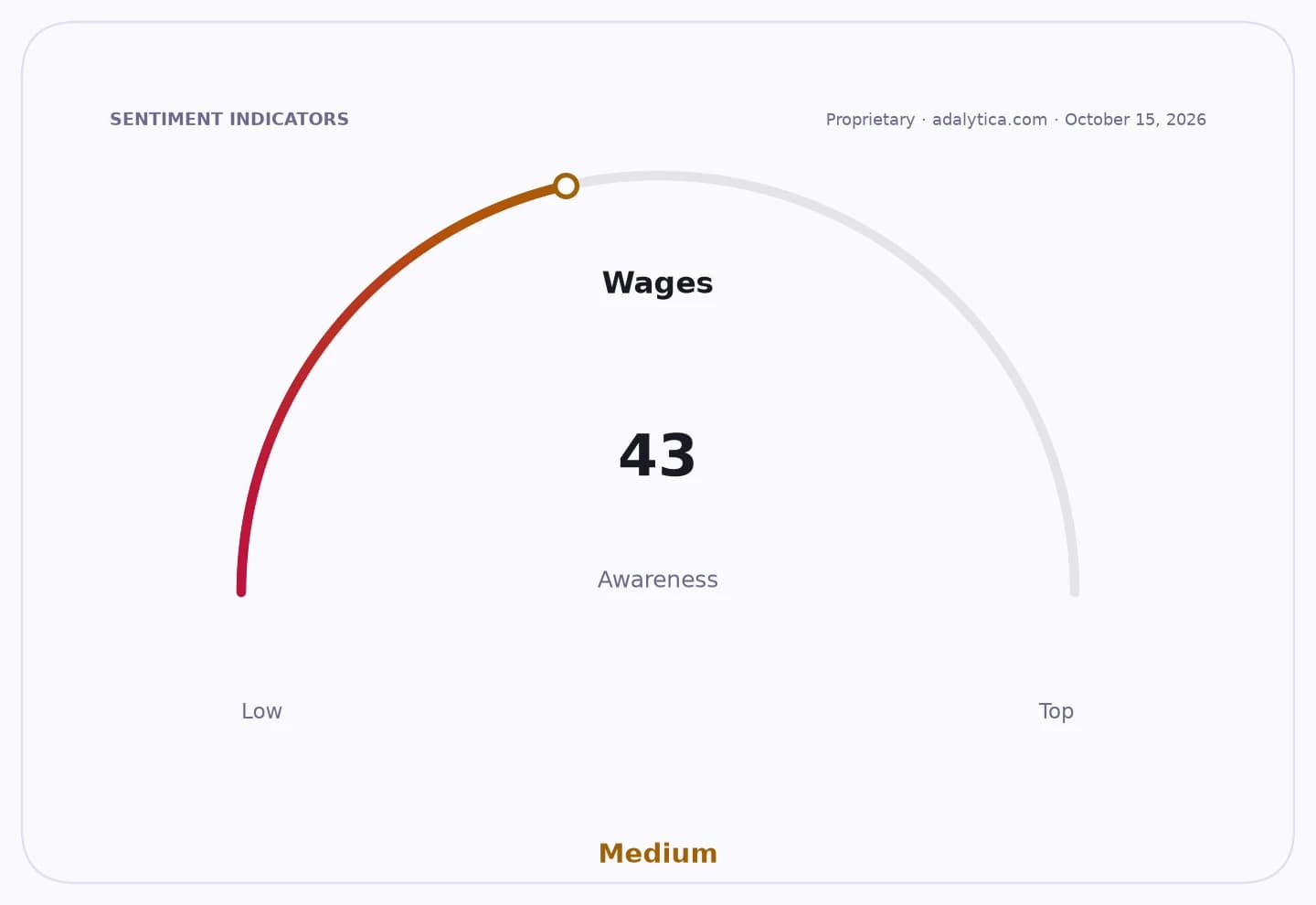
Sentiment IndicatorsⓘProprietary · adalytica.com · October 15, 2026
This is a snapshot — live sentiment, awareness and momentum for 130+ markets update continuously in the dashboard.Open AlphaPulse
That matters economically because labor is the main cost lever in a network business like postal delivery. If wages rise meaningfully, Romanian Post will need either higher revenue, productivity gains or state backing to preserve service levels. If it does not get them, morale and retention can suffer, especially in operations that rely on a dispersed workforce and relatively low-paid frontline staff. The fight over internal wage inequities is also important: companies with steep pay compression often face higher turnover among experienced workers, which can quietly damage service quality and raise training costs.
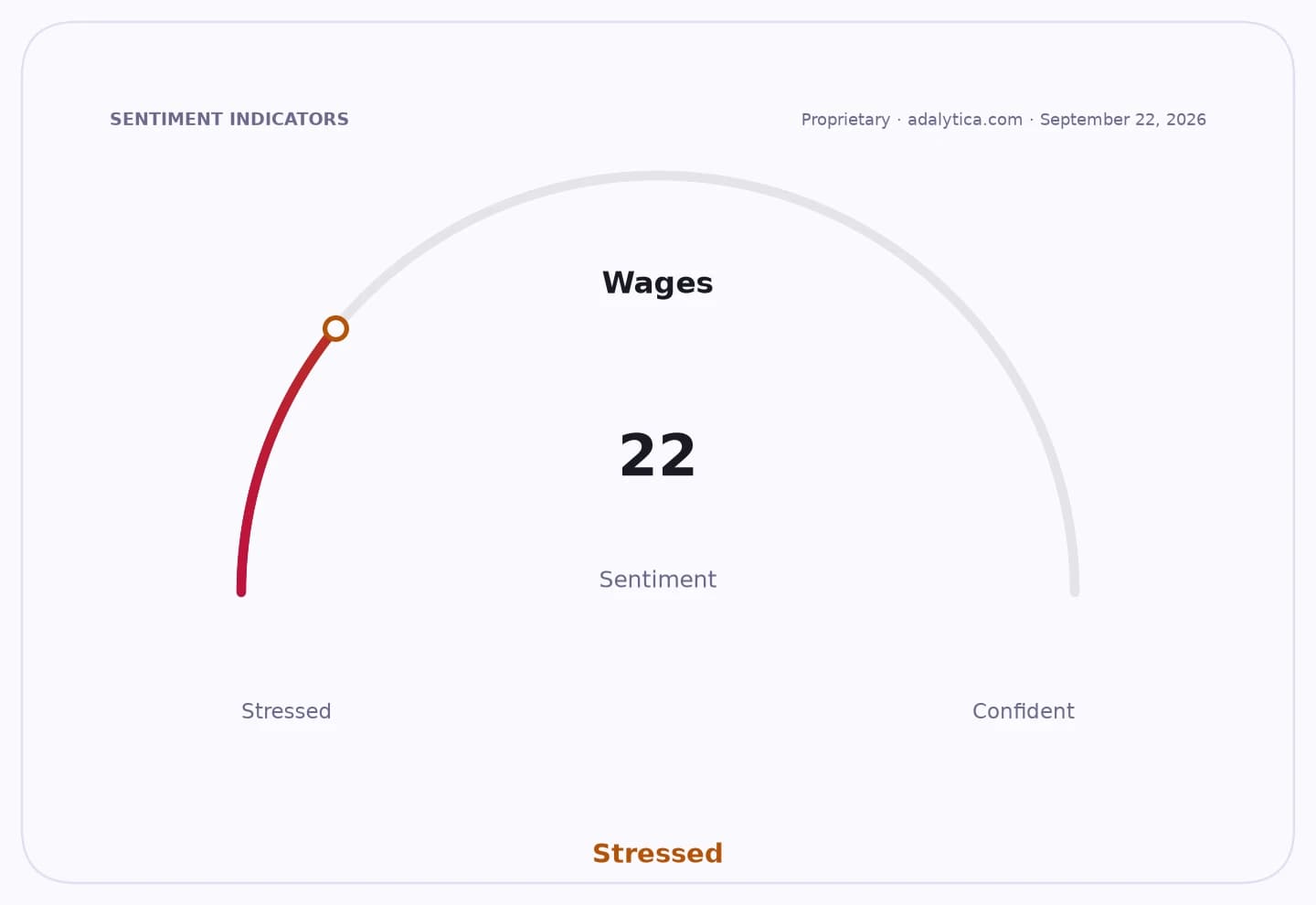
For investors and policymakers, the story is a reminder that labor inflation is still alive even when headline inflation cools. The Adalytica wage-inflation gauge shows extreme greed, reflecting how forcefully pay claims are building in the backdrop. That does not mean a market shock is imminent, but it does suggest wage negotiations are becoming more assertive and more costly for employers with limited pricing power. In Europe, that tends to hit the weakest balance sheets first: utilities, transport operators, mail services and other quasi-public employers that cannot easily pass through costs.
Wages — 30-day sentimentadalytica.com
Explore this data interactively — full history, time series and cross-market comparisons.Open AlphaPulse
Romanian Post is therefore less a standalone labor headline than a window into a broader re-pricing of work. If management concedes to higher base pay and richer benefits, other public-sector and logistics employers may face copycat demands. If it resists, the risk shifts toward industrial friction, service disruptions and political pressure, especially because postal networks are often viewed as essential infrastructure rather than ordinary businesses.
The investment takeaway is straightforward: when wage bargaining turns into a battle over fairness and inflation protection, the winners are businesses with automation, pricing power and scale, while the losers are labor-intensive operators with weak margins and little room to maneuver. Watch Romanian postal and logistics peers closely — this is the kind of cost inflection that can ripple across a whole sector before it shows up in earnings.
| Entity | Gains | Losses |
|---|---|---|
| Romanian Post workers | ▲Higher pay, narrower wage gaps | ▼Slower concessions if talks drag |
| Romanian Post management | ▲Possible labor peace if deal is contained | ▼Higher payroll costs |
| Competitors with automation | ▲Relative cost advantage | ▼Wage pressure spillover |
| Public finances | ▲Potential reform pressure on pay structures | ▼Higher subsidy or funding needs |