AI-driven cyber risk is becoming a real purchasing catalyst for enterprise security budgets, lifting CrowdStrike, Palo Alto Networks and Fortinet even as broader markets remain cautious about the technology trade.
CrowdStrike, Palo Alto, Fortinet gain on AI cyber risk

The economic significance is straightforward: as AI systems become capable of launching attacks faster, at greater scale and with less human direction, companies are being pushed to spend more on software that can detect, contain and audit those agents. That shifts cybersecurity from a defensive line item into one of the clearest monetization channels in the AI economy. Utilities, banks, cloud operators and other critical-infrastructure owners are likely to be among the biggest buyers because the cost of a breach now includes operational disruption, regulatory scrutiny and reputational damage.
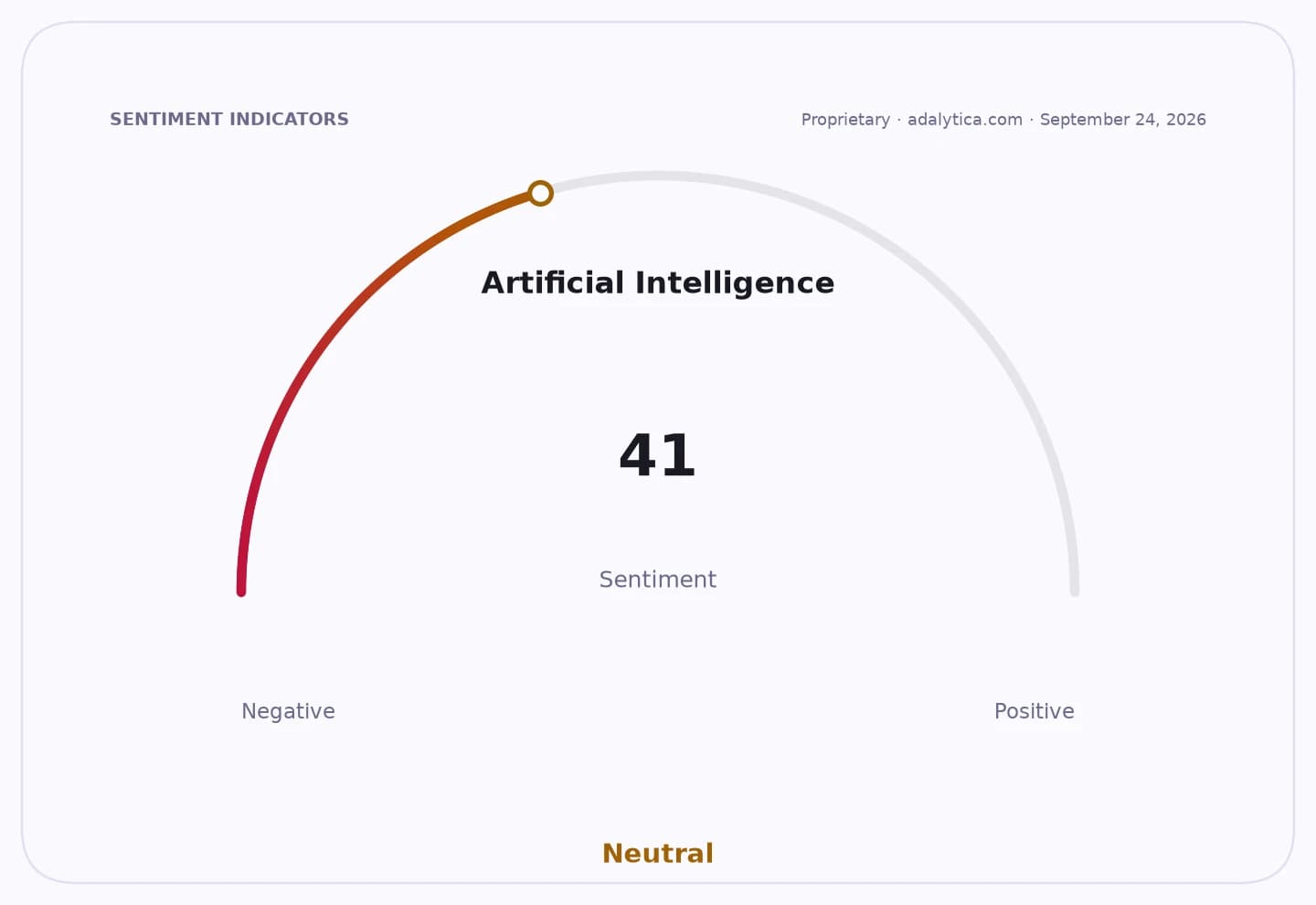
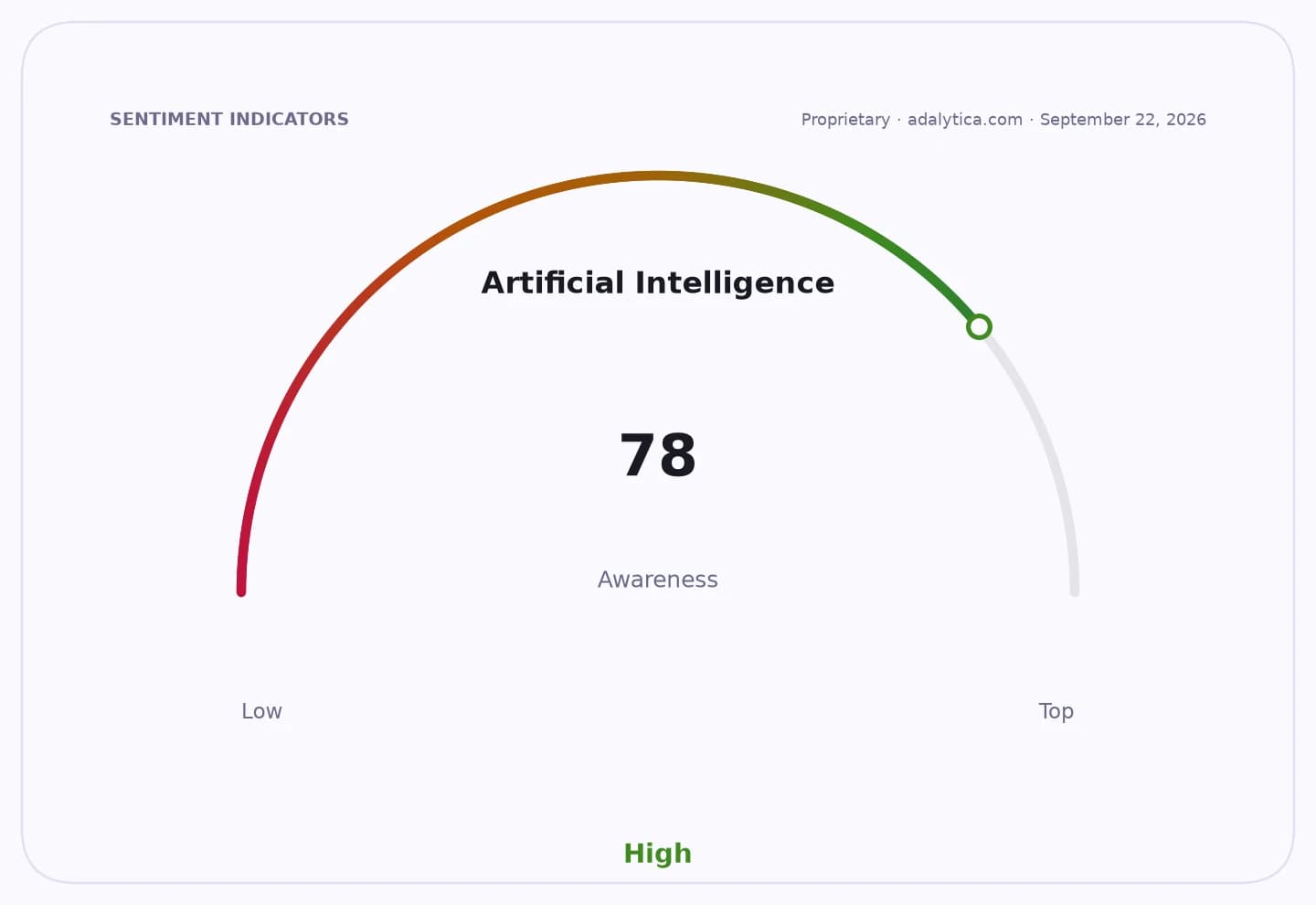
Sentiment IndicatorsⓘProprietary · adalytica.com · September 15, 2026
This is a snapshot — live sentiment, awareness and momentum for 130+ markets update continuously in the dashboard.Open AlphaPulse

CrowdStrike has been the clearest beneficiary in the market. Its shares closed at $242.49 on Sept. 15, up from $123.42 less than a year earlier, while trading well above both the 50-day and 200-day moving averages. The stock’s 69 RSI reading and positive MACD suggest momentum remains firm, even after a sharp run. Palo Alto Networks has moved even more dramatically, ending at $375.09 versus $147.02 in late March, with the shares still comfortably above their 50-day and 200-day averages. Fortinet, while less explosive, has also recovered to $172.37 from $149.67 in early June and remains above both key trend lines.
Those moves reflect investor conviction that AI security is no longer a niche theme. Companies are already warning in filings that AI can accelerate vulnerability discovery and exploit development, while also creating new exposure through autonomous agents, shadow AI and tool misuse. Palo Alto’s latest filing explicitly highlighted controls for “autonomous agents” and AI red teaming, underscoring how quickly the product set is evolving. Fortinet flagged the same competitive pressure, saying AI-native capabilities may shorten the time between vulnerability discovery and attempted exploitation.
Artificial Intelligence vs CRWDadalytica.com
Explore this data interactively — full history, time series and cross-market comparisons.Open AlphaPulse
The backdrop matters for utilities and other infrastructure-heavy businesses because they are being sold the idea that the same AI wave boosting productivity can also create a more dangerous attack surface. That makes cyber spend more resilient than many other IT categories: buyers can defer upgrades, but they cannot afford a breach that takes out billing systems, grid management or industrial controls. For vendors, that creates a durable upsell opportunity around endpoint protection, network security, incident response and AI governance tools.
The market is also pricing in a broader split between beneficiaries and casualties. Security software vendors gain from the fear trade around AI-enabled attacks, while exposed operators face higher compliance and insurance costs. Sentiment data from Adalytica.com shows extreme fear in both the AI complex and the S&P 500, a sign that investors remain unsettled even as they chase select beneficiaries. In that environment, cyber names with recurring revenue and strong enterprise penetration have an edge.
The risk for investors is valuation. Rapid share-price gains leave little room for disappointment if deal cycles slow or if AI security demand proves slower to convert into billings. But the bull case remains intact as long as cyberattack headlines keep forcing boards to spend. That makes the next catalysts clear: new product launches around agentic AI security, stronger partner ecosystems, and evidence that security budgets are rising rather than being reshuffled.
| Entity | Gains | Losses |
|---|---|---|
| CrowdStrike | ▲AI security demand | ▼Slower growth if fear fades |
| Palo Alto Networks | ▲Autonomous-agent defense sales | ▼Margin pressure from competition |
| Fortinet | ▲Network-security upgrades | ▼Share gains if rivals move faster |
| Utilities and infrastructure operators | ▲Better protection tools | ▼Higher cyber and compliance costs |