Cuba’s inflation spike to 25.19% in August has forced the government to put 10,000- and 20,000-peso notes into circulation, underscoring how rapidly the peso is losing purchasing power in an economy already buckling under shortages, energy cuts and a deepening recession.
Cuba Inflation Hits 25.19% as Bigger Pesos Circulate
The new banknotes are not a sign of reform so much as a sign of strain. When the highest denomination in a currency system has to be expanded twice in six months, the problem is no longer just price increases but the erosion of money’s basic function as a medium of exchange. The Central Bank said the larger bills are meant to meet demand for cash, reduce handling costs and reflect the “real needs” of the economy. In practice, they are a response to a monetary system in which ordinary transactions increasingly require stacks of paper.
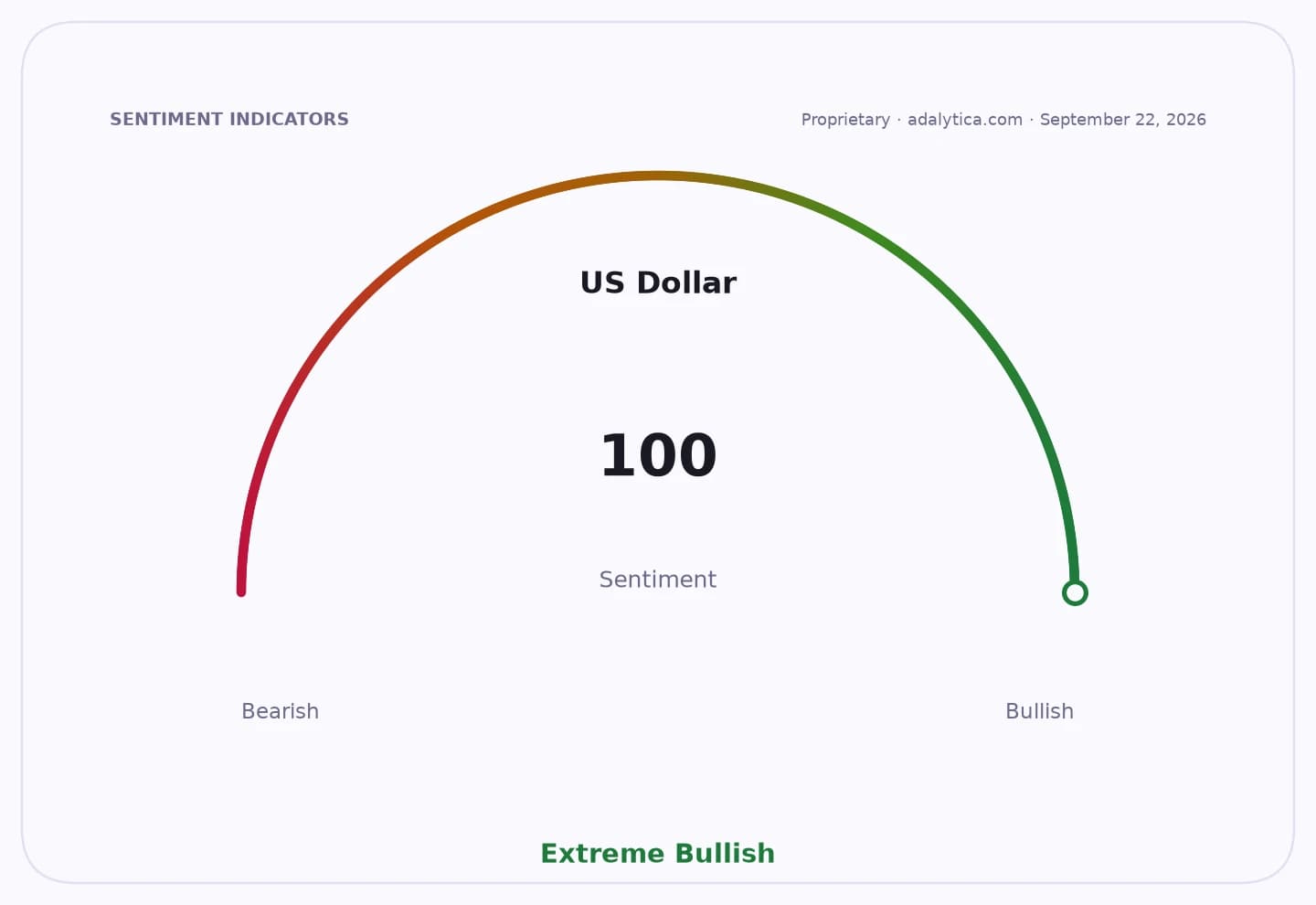
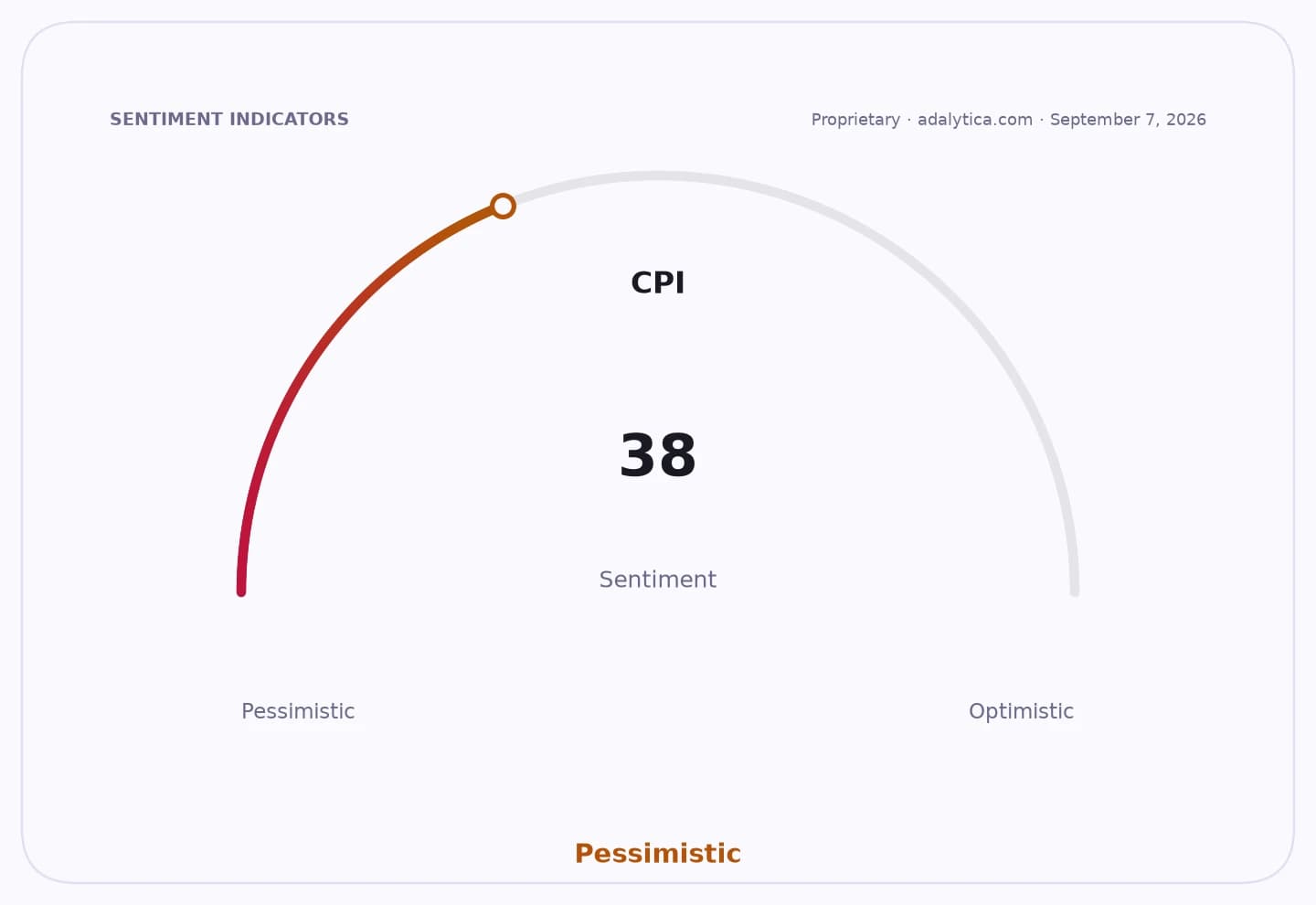
Sentiment IndicatorsⓘProprietary · adalytica.com · September 17, 2026
This is a snapshot — live sentiment, awareness and momentum for 130+ markets update continuously in the dashboard.Open AlphaPulse
Official data from the National Statistics Office show prices rose 4.92% in August alone, while food and non-alcoholic drinks, the heaviest burden on households, climbed 36.01% from a year earlier. Alcohol and tobacco rose 37.18%, restaurants and hotels 35.74% and transport 25.03%. Even categories such as housing-related services and household goods posted increases of around 20%, evidence that inflation is broad-based rather than confined to a few volatile items.
That matters because Cuba’s inflation is colliding with a collapse in real incomes and a weak supply side. The official measure covers only the formal market, leaving out the informal economy where many Cubans actually buy essentials and where the exchange rate is even more punitive. The dollar was changing hands at about 700 pesos in the informal market, meaning imported goods and anything linked to imports are becoming more expensive in local currency even when nominal wages do not change.
For investors, the immediate read-through is not about a tradable equity market but about sovereign stress, policy credibility and regional risk. Cuba’s monetary expansion does little to address the underlying causes of inflation: depressed output, fiscal imbalances, fuel shortages, electricity disruptions and persistent constraints on imports. CEPAL said the economy shrank 3.8% in 2025 and could contract another 10.3% in 2026, a grim backdrop that suggests inflation is being driven as much by supply collapse as by excess demand.
The bigger narrative is one of a state trying to manage scarcity with administrative fixes while the currency weakens around it. Larger banknotes may make payments easier, but they also reinforce public expectations that prices and the exchange rate will keep moving against the peso. That can further erode confidence, encourage dollarization at the margin and leave households with less ability to preserve savings in local money.
The near-term risk is that the government’s response remains cosmetic while inflation, shortages and the informal exchange rate continue to feed one another. Unless Cuba can restore production, stabilize energy supply and secure hard currency for imports, the introduction of larger bills may be remembered less as a technical adjustment than as a marker of how far the crisis has advanced.
| Entity | Gains | Losses |
|---|---|---|
| Cuban state | ▲Easier cash handling | ▼Credibility on price stability |
| Households in pesos | ▲Larger notes for payments | ▼Purchasing power |
| Dollar holders | ▲Stronger local buying power | ▼— |
| Import-dependent businesses | ▲Ability to price in bigger denominations | ▼Peso-based margins |