Da Nang is trying to turn a tightly controlled crypto asset sandbox into a practical tourism tool, betting that faster, cheaper payments for foreign visitors can lift spending in one of Vietnam’s most important coastal destinations.
Da Nang Tests Crypto Payments for Tourism
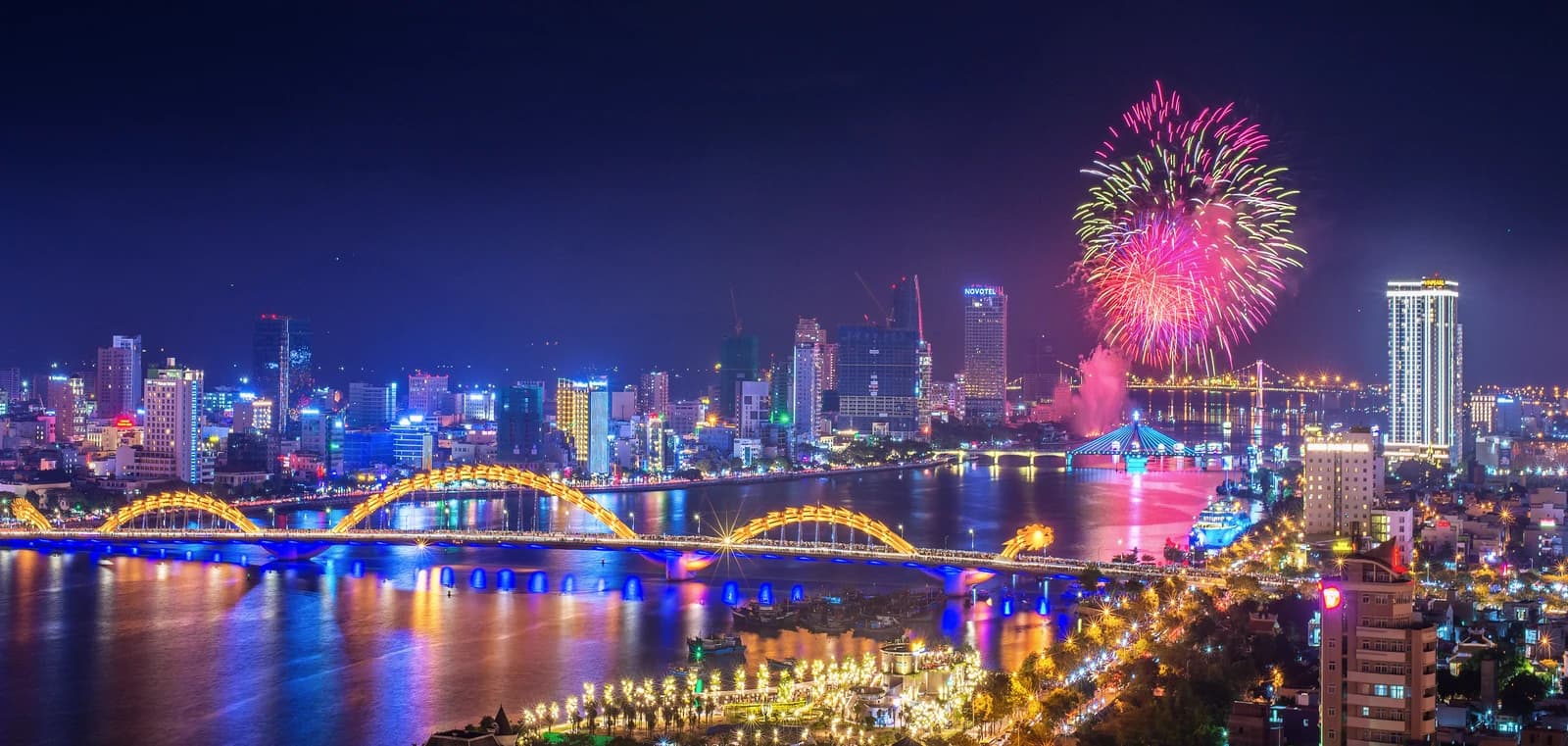
The city’s pitch matters because tourism is a direct channel into cash flow for hotels, restaurants, transport operators and small merchants, and because Da Nang is seeking measurable economic returns from innovation policy rather than symbolic first-mover status. Officials said the city already has six sandboxed solutions approved and want new models to prove they can improve service quality, reduce conversion costs and support growth under close regulatory oversight.
Sentiment Indicators
Vice chairman Ho Quang Buu framed the sandbox as a way to move from encouraging innovation to testing real-world applications within defined limits. That distinction is important for investors and businesses because it suggests the city is not opening a free-for-all for crypto payments, but rather testing whether digital-asset infrastructure can solve a specific frictions problem in tourism: the inconvenience foreign travelers face when they need to exchange money or adapt to local payment systems.
The scale of the opportunity is not trivial. A conference speaker cited 7.73 million international arrivals to Da Nang in the first nine months of the year, alongside nearly 53 trillion dong in revenue from accommodation and food services. That points to millions of individual transactions across hotels, restaurants, tour services, transfer operators and attractions — precisely the kind of high-volume, low-ticket payments where smoother settlement can matter.
The policy debate, however, remains constrained by Vietnam’s legal framework. PGS.TS Tran Manh Huy said approval to test does not mean businesses can operate beyond the allowed scope, and argued that converting crypto into dong before payment is more consistent with current law than direct crypto settlement. That suggests the near-term commercial model is likely to center on back-end conversion, not a broad retail acceptance of crypto, which reduces regulatory risk but also limits the headline ambition.
For investors, the story is less about token speculation than about infrastructure and adoption. If the sandbox can lower payment friction, it could support higher conversion rates for foreign tourists and make Da Nang a more attractive destination for digitally native travelers. That would benefit payment intermediaries, travel platforms and local tourism firms that can absorb new customer segments without adding operational complexity.
The bear case is that crypto remains too volatile, too closely watched by regulators and too operationally complex to become a meaningful tourism payment rail in the near term. That risk is underscored by bitcoin’s recent price swings, with the token trading around $82,687 and its technical backdrop still mixed: the price is near its 50-day moving average, while the Relative Strength Index remains below neutral, suggesting momentum is not yet decisive.
Still, the broader narrative is clear. Da Nang is using the crypto sandbox to test whether digital-asset plumbing can become a tourism competitiveness tool, and if it works, the city could position itself as a model for how controlled financial innovation translates into real economic activity rather than abstract tech leadership.
| Entity | Gains | Losses |
|---|---|---|
| Da Nang tourism sector | ▲Easier foreign spending | ▼Status quo payment friction |
| Foreign visitors | ▲Faster, simpler checkout | ▼Currency conversion hassle |
| Local hotels and merchants | ▲More customer access | ▼Extra compliance burden |
| Crypto sandbox skeptics | ▲More caution on scope | ▼Less room for rapid rollout |