Thailand’s securities regulator is setting the stage for locally traded spot Bitcoin and Ethereum ETFs from Oct. 16, opening a new regulated channel for crypto exposure that could draw fresh retail and institutional money into the two biggest digital assets.
Thailand to Allow Spot Bitcoin and Ethereum ETFs
The move matters because it gives investors access through conventional brokerage accounts on the Stock Exchange of Thailand instead of forcing them to buy and custody tokens directly. That lowers operational barriers, broadens the potential buyer base and gives Thailand a more mainstream crypto wrapper at a time when global demand for regulated products remains central to price discovery in Bitcoin and Ether.
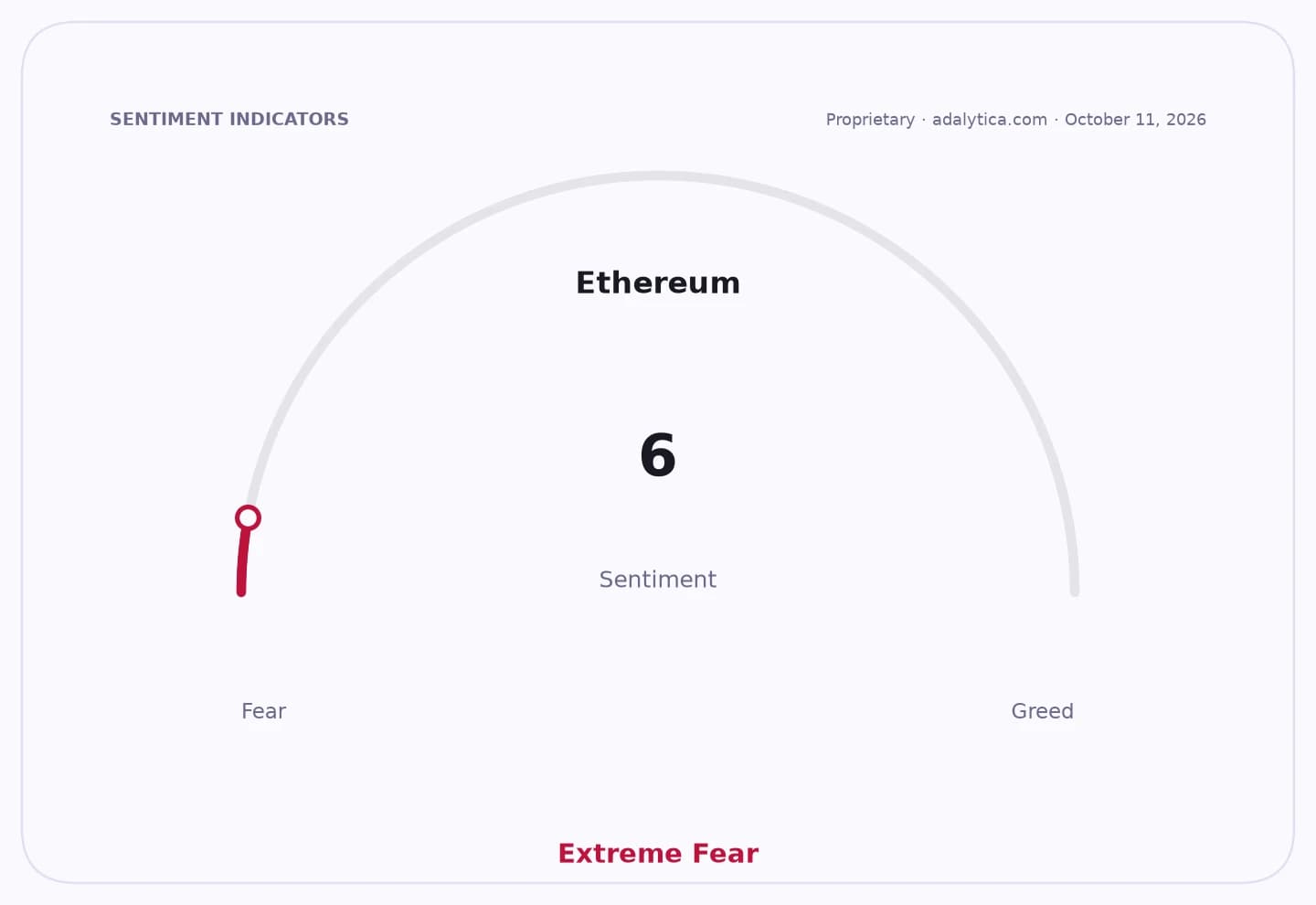
Sentiment IndicatorsⓘProprietary · adalytica.com · October 11, 2026
This is a snapshot — live sentiment, awareness and momentum for 130+ markets update continuously in the dashboard.Open AlphaPulse
Under the new framework, only Bitcoin and Ether qualify initially, and funds must keep at least 80% of their average net exposure over each financial year in the underlying assets. The rules also require custody with SEC-regulated domestic digital-asset custodians, risk disclosures and restrictions on brokers lending against cryptocurrency purchases, underscoring an effort to build investor protections around a product class that has long been viewed as volatile and speculative.
The Oct. 16 date is the effective date of the framework, not a guaranteed launch day for the first funds. Asset managers still need to build portfolios and win separate approval before trading starts, while access to foreign crypto ETFs through depositary receipts and retail brokerage channels will initially be limited.
For markets, the more important question is not whether Thailand approves the structure, but whether the country creates a durable new source of demand for BTC and ETH. That could matter well beyond Bangkok if local inflows build, since exchange-traded vehicles have become a key transmission mechanism between traditional finance and digital assets.
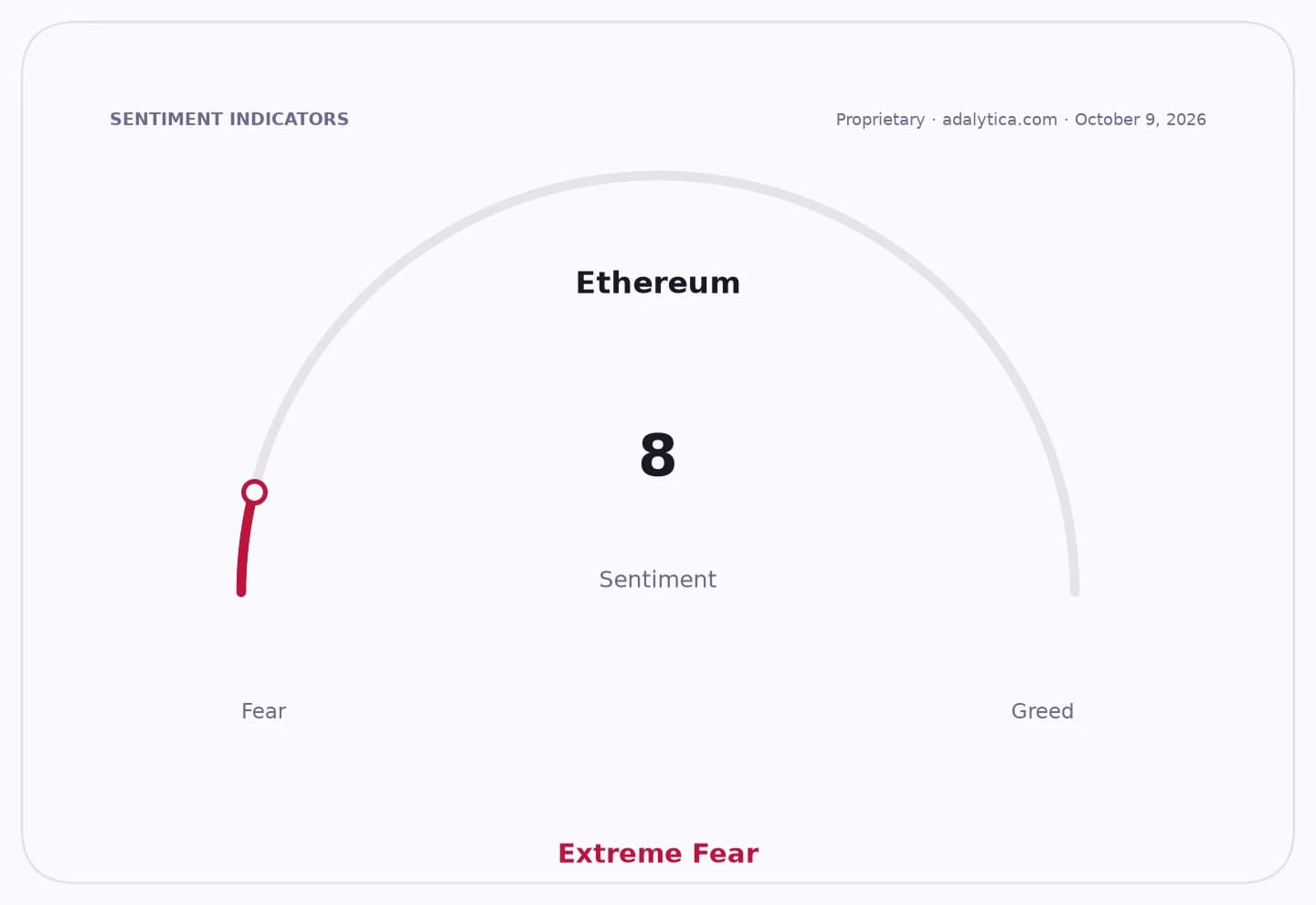
Bitcoin and Ether were already trading above levels that suggest investors are watching ETF adoption closely, with Bitcoin around $83,600 and Ether near $2,532. Adalytica’s Bitcoin Fear & Greed Index showed “Extreme Fear,” while its Ether gauge was also in “Extreme Fear,” highlighting how sentiment remains fragile even as regulators add new access points.
The new Thai framework adds to a broader global pattern in which governments are moving crypto closer to the regulated financial system rather than keeping it at the margins. For investors, that can mean deeper liquidity and a wider base of marginal buyers — but also a new set of variables, including fund fees, distribution reach and the pace of actual inflows, that will determine whether the policy becomes a meaningful catalyst or just another headline.
| Entity | Gains | Losses |
|---|---|---|
| Thai brokers and asset managers | ▲New ETF product line | ▼Higher compliance costs |
| Bitcoin and Ether holders | ▲Potential new demand | ▼No immediate guarantee of inflows |
| Retail and institutional investors | ▲Regulated crypto access | ▼Ongoing volatility and fees |
| Overseas crypto ETFs | ▲Limited near-term access | ▼Slower retail channel expansion |