An engineering graduate’s public account of landing a Dangote Refinery trainee role without insider links is resonating because it highlights a bigger shift in Nigeria’s labor market: hiring is becoming more digital, more transparent and, for young professionals, more accessible.
Dangote Refinery trainee hire via online application
Isaac Agene said he found the vacancy online, completed two rounds of aptitude testing and then moved on to a physical interview before receiving an offer on July 29 for Dangote Petroleum and Petrochemicals’ 18-month graduate trainee programme. He accepted the role on Aug. 5, and his post has struck a nerve because it turns one of the country’s best-known industrial employers into a case study in merit-based recruitment.
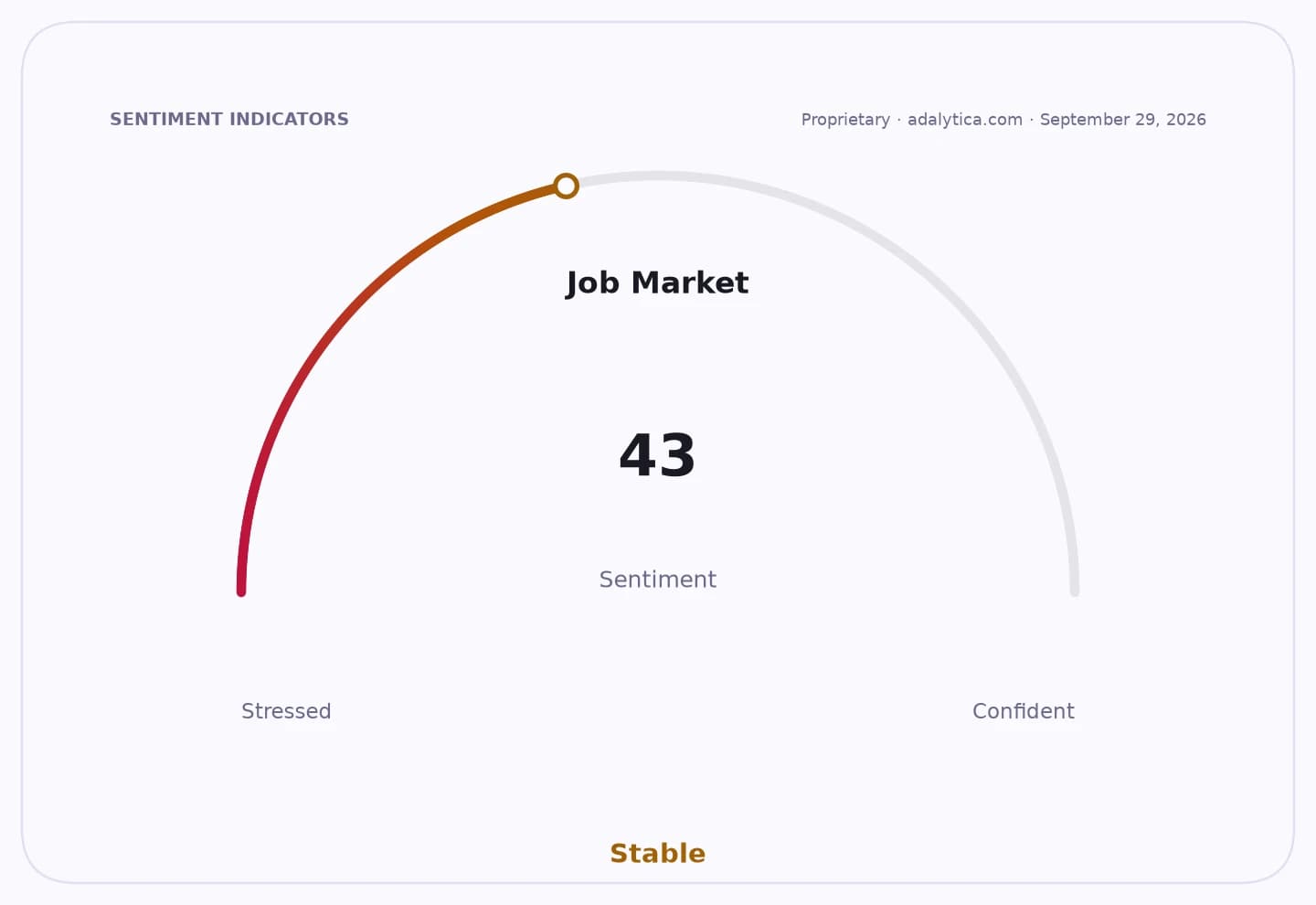
Sentiment IndicatorsⓘProprietary · adalytica.com · September 29, 2026
This is a snapshot — live sentiment, awareness and momentum for 130+ markets update continuously in the dashboard.Open AlphaPulse
That matters economically because Nigeria is still wrestling with a deep employment problem, especially for graduates entering a labor market where connections have long been seen as a shortcut. When a company as large and visible as Dangote’s refinery arm hires through open applications and testing, it strengthens confidence in formal hiring channels and gives job seekers a reason to keep using digital platforms instead of informal networks. In a country with rising pressure on youth employment, even one credible success story can shift expectations.
It also matters for companies because the best talent pools are increasingly won through process, not patronage. The more employers standardize application funnels, aptitude screens and structured interviews, the more efficient recruiting becomes and the easier it is to widen the candidate base beyond personal referrals. That is especially important for industrial groups such as Dangote, where operational complexity demands technically capable recruits and where reputation is part of the brand.
The story also feeds into a broader labor-market narrative now visible across recruitment platforms: digital job matching is becoming the default route for skilled workers. Adalytica’s job-market sentiment gauge is neutral at 43, but the improvement from earlier lows suggests attention around hiring remains active even if confidence is uneven. Against that backdrop, a high-profile refinery hire becomes more than a feel-good post — it becomes proof that online applications can still lead to real jobs.
For investors, the implication is less about one graduate trainee and more about the operating model of Nigeria’s industrial champions. Firms that can attract competent workers without inflating recruiting costs or relying on closed networks are better positioned to scale. For Dangote, that supports the long-term case that the refinery complex can keep building operational depth as it expands output, exports and technical capability.
The market may underappreciate how powerful that signal is in an economy where formal private-sector jobs remain scarce. If Dangote’s hiring process is seen as fair, repeatable and digital, it can become a template for other large employers and a tailwind for job portals, HR tech and vocational upskilling platforms that sit at the center of the next phase of labor-market modernization.
For job seekers, the takeaway is direct: the advantage increasingly goes to candidates who can navigate online applications, testing and interviews with discipline. For investors, the better trade is to watch the companies and platforms that help match talent to industry at scale.
| Entity | Gains | Losses |
|---|---|---|
| Dangote Refinery | ▲Wider talent pool | ▼Reliance on informal referrals |
| Engineering graduates | ▲More open access to jobs | ▼Old-boy network advantages |
| Job portals / HR tech | ▲More traffic and relevance | ▼Traditional gatekeepers |
| Informal recruiters | ▲Less influence | ▼Fewer shortcut hires |