A one-day job hunt in southern France produced 31 job offers from 141 business visits, a reminder that even in a cautious labor market, the most promising opportunities are often found outside the official listings.
France hidden job market yields 31 offers
For job seekers, that matters because the so-called hidden market can still be the difference between waiting for a posting and getting hired. In Lézignan-Corbières, 28 job seekers spent the day meeting local employers and artisans across Corbières and Minervois, with support from AGIRAbcd Aude, France Travail, the local mission office and the Aude chamber of commerce. The goal was simple: identify real needs for jobs, training, internships and apprenticeships by going directly to the source.
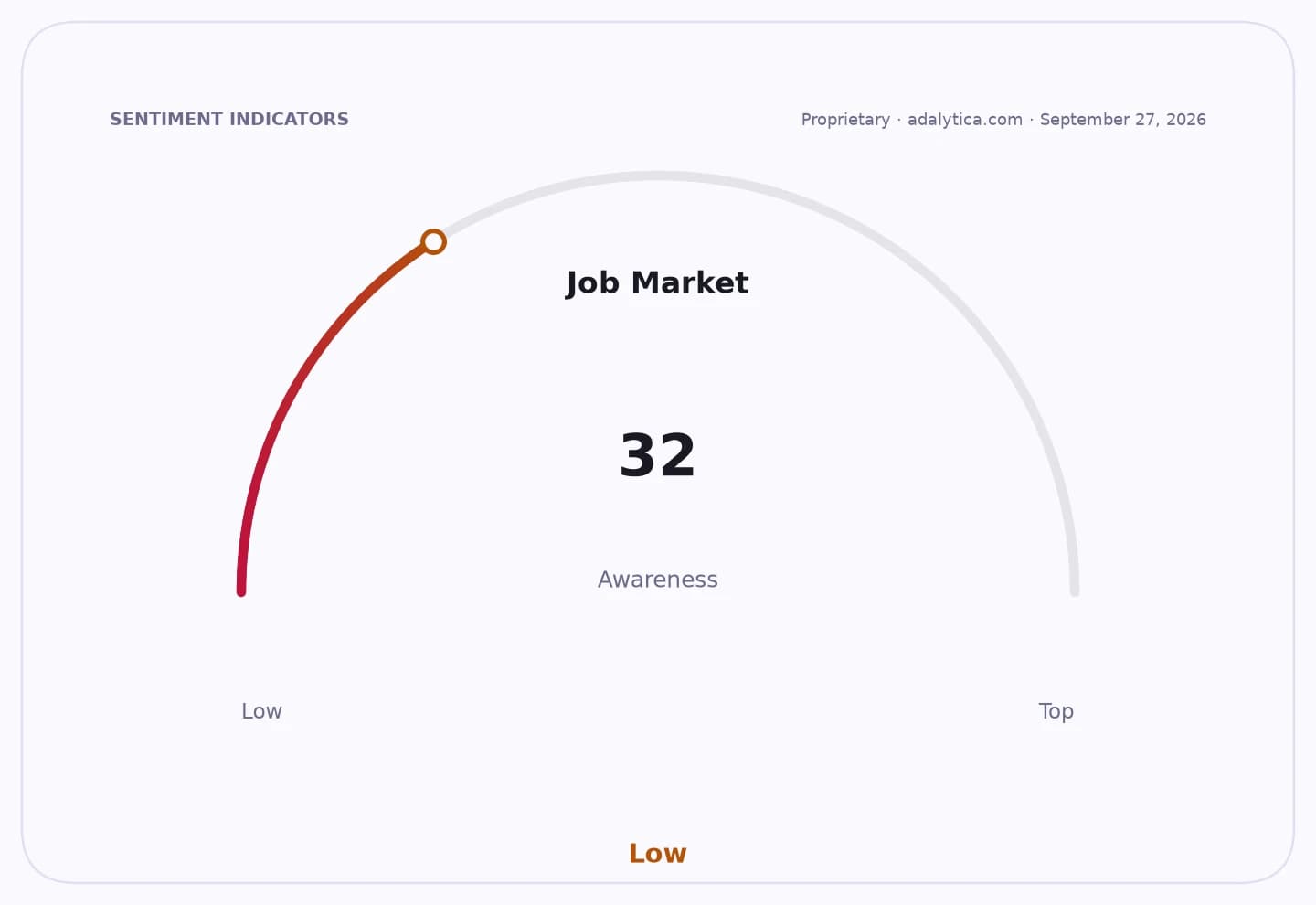
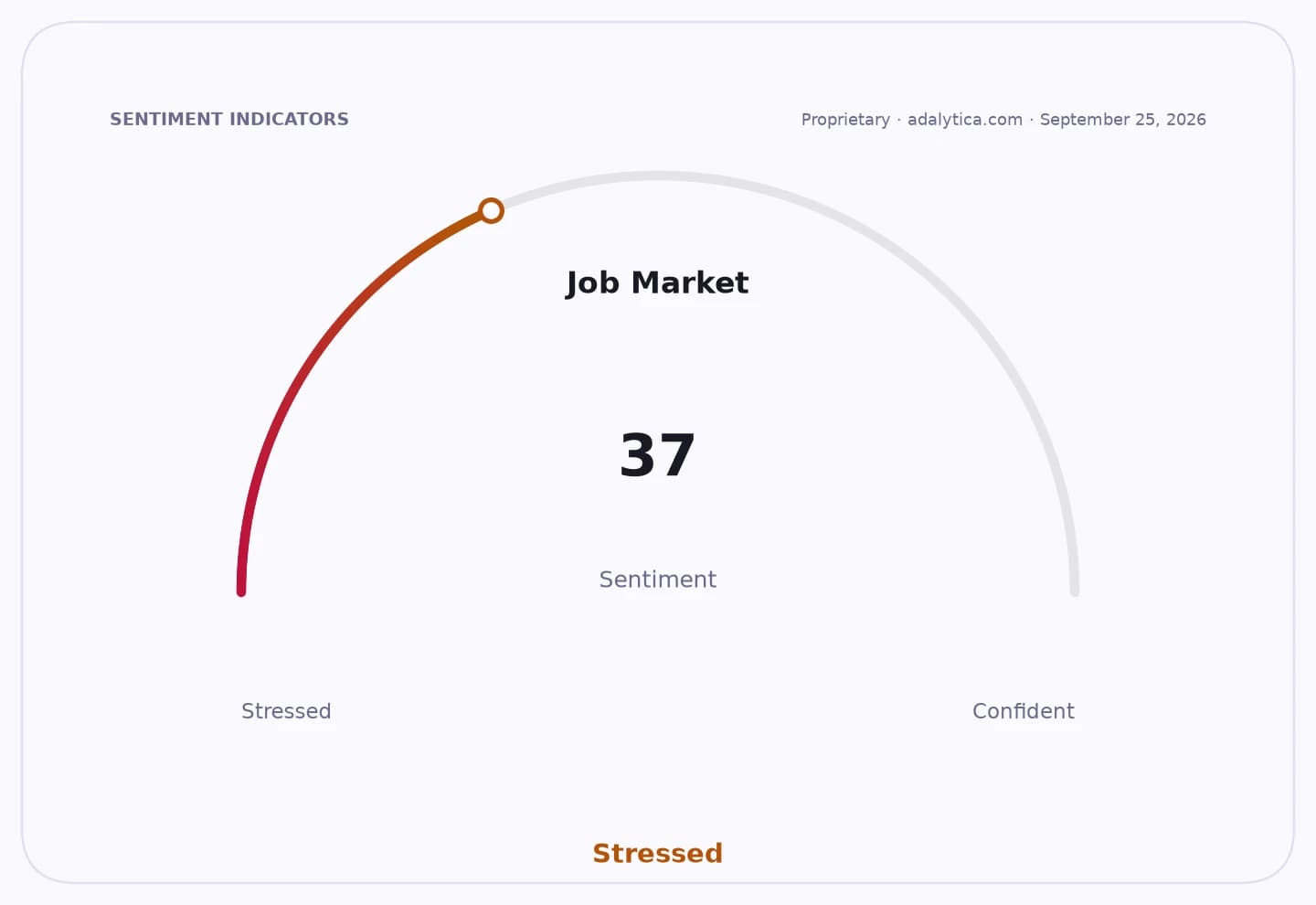
Sentiment IndicatorsⓘProprietary · adalytica.com · October 1, 2026
This is a snapshot — live sentiment, awareness and momentum for 130+ markets update continuously in the dashboard.Open AlphaPulse
That approach has economic value beyond one town. When vacancies are never advertised widely, workers who rely only on online portals miss a large part of demand. The Markethon model helps surface that demand and move it into circulation, first among participants and then through the wider local employment network. In a labor market where employers remain selective, that kind of matching service can reduce friction and shorten the time between opening and filling a role.
The numbers also suggest why these events matter for communities trying to keep businesses staffed. Visiting 141 companies to uncover 31 offers may not sound dramatic, but it shows there is still hiring demand in small firms, craft businesses and local services — the kinds of employers that often do not recruit through large national channels. Those businesses benefit from a more targeted pipeline of candidates, while job seekers gain access to opportunities they would otherwise never see.
For investors and economists, the bigger lesson is that labor markets rarely turn on headlines alone. Official job data can point to caution, and sentiment around employment remains fragile, but local hiring networks can continue to function beneath the surface. That is especially important in regions where small and mid-sized employers carry a lot of the employment load and where recruitment is often personal, informal and fast-moving.
The broader takeaway is encouraging: even in a subdued hiring environment, active outreach still creates matches. If the wider economy stabilizes, these kinds of grassroots employment efforts could become more valuable, not less, because they help firms hire without waiting for a full recovery in advertised job growth. For job seekers, that makes networking and local engagement worth the effort. For long-term observers of the labor market, the message is clear: the hidden market is still there, and it still hires.
| Entity | Gains | Losses |
|---|---|---|
| Job seekers | ▲Access to hidden vacancies | ▼Reliance on job boards |
| Local businesses | ▲Better-targeted candidates | ▼Anonymous recruiting |
| Employment partners | ▲Stronger placement pipeline | ▼More admin work |
| Wider labor market | ▲Better matching efficiency | ▼Slower visible hiring |