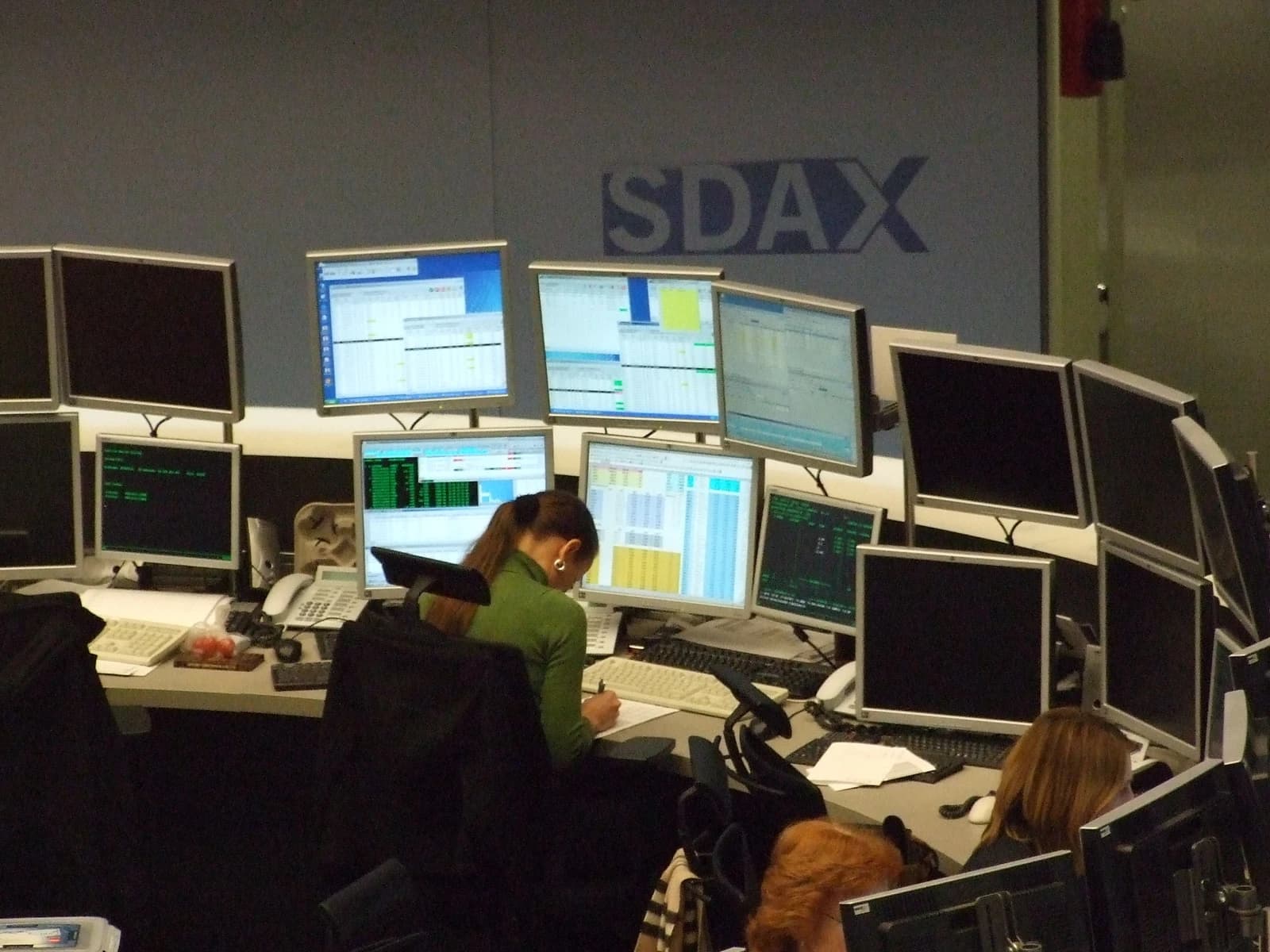
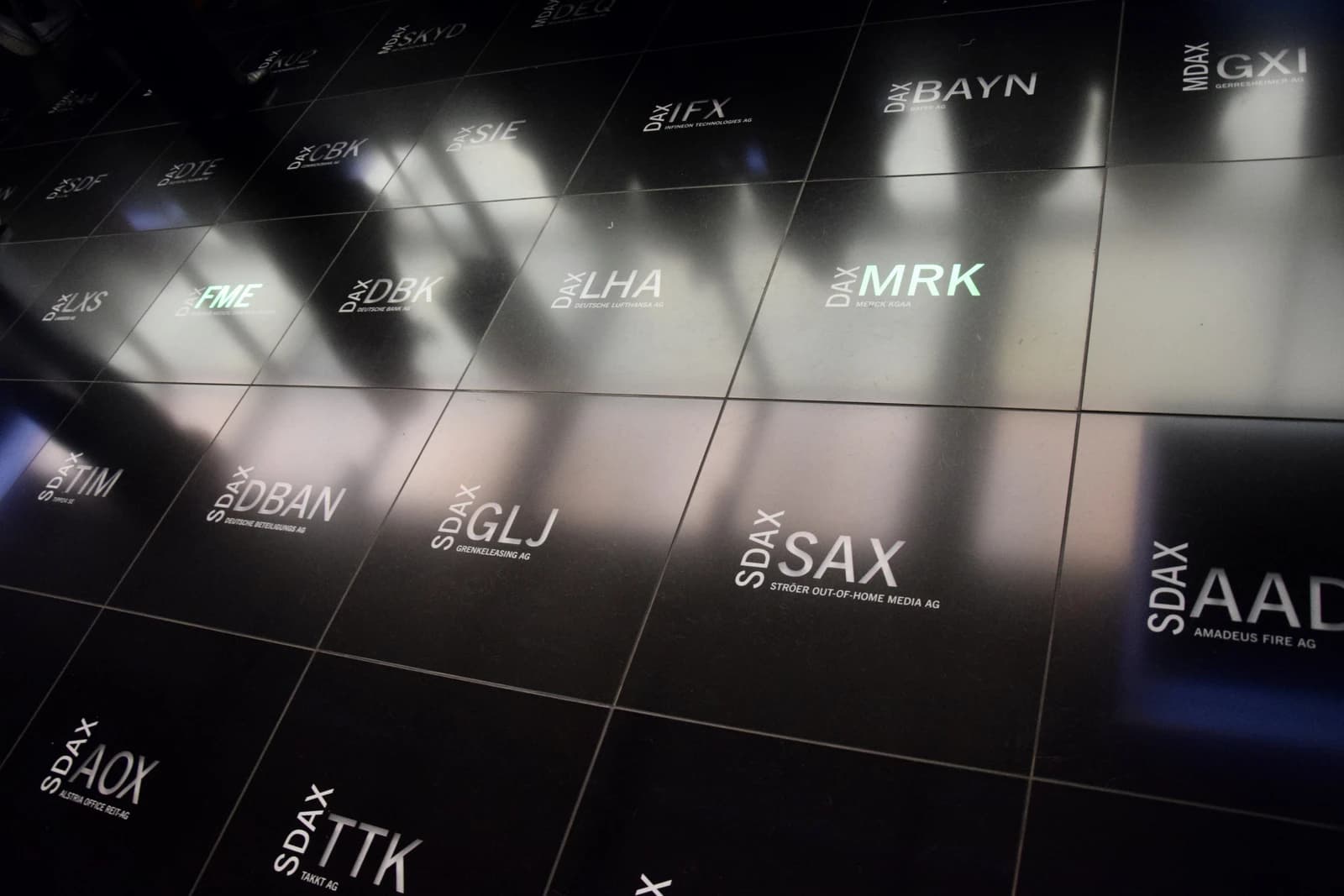
The DAX dropped back below 26,000 points on Friday as a brutal selloff in US technology shares rippled through global markets, underscoring how dependent Europe’s benchmark has become on Wall Street sentiment and the fortunes of a handful of megacap tech names.
DAX Falls Below 26,000 as Tech Selloff Hits Markets
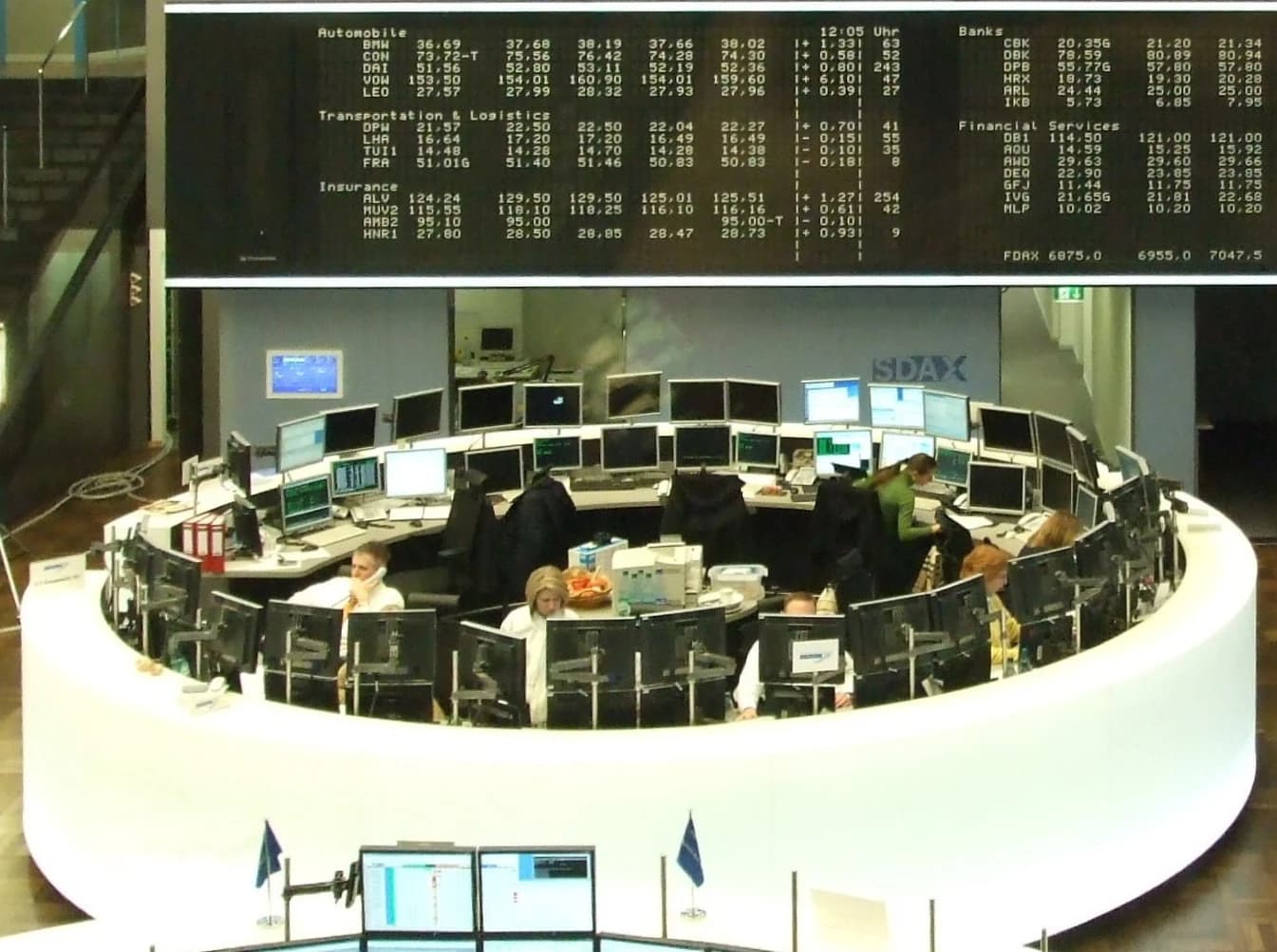
Germany’s blue-chip index fell about 1.5% in early trade to 25,920 points, extending a slide from Thursday’s record high near 26,693. By the previous close, it was already down 0.4% at 26,325 as the Nasdaq 100 suffered its steepest one-day loss since the March 2020 pandemic crash, plunging 6.4%.
Sentiment Indicators
The trigger was a sharp reappraisal of the artificial intelligence trade after Democratic election gains fueled concern that Washington could impose tighter rules on AI and data-center expansion. That hit the sector that has carried much of this year’s equity advance and exposed what strategists describe as the market’s concentration risk: when the largest tech names fall, they can drag down the broad indexes with them.
For investors, the move matters because it tests the durability of the AI-driven rally that has underpinned valuations across global equities. The Nasdaq slump erased the prior day’s gains in the US, while the S&P 500 lost 4.4% and the Dow Jones 3.4%. In Europe, the DAX’s retreat suggests that German stocks remain vulnerable to a US-led de-risking even when domestic fundamentals are unchanged.
Market watchers said the selloff reflected more than just politics. It also exposed lingering anxiety over when the hundreds of billions of dollars being poured into AI infrastructure will translate into acceptable returns. If regulation slows the buildout of data centers or delays related projects, investors may become less willing to pay premium valuations for the sector’s leaders.
There are tentative signs of stabilization. Early futures trading pointed to gains in US technology names, suggesting some buyers see the decline as a buying opportunity after weeks of crowded positioning. But weaker Dow futures indicated the damage had not been fully contained, and traders were wary of adding risk before the weekend.
The next major test is the US monthly labor report, due later in the day, which could shape expectations for Federal Reserve policy in December. A softer reading might ease rate fears, but it could also deepen recession worries after the tech shock. That makes the jobs data pivotal not just for US yields, but for whether Friday’s rout proves to be a sharp correction or the start of a broader de-rating of the AI trade.
| Entity | Gains | Losses |
|---|---|---|
| Tech dip buyers | ▲cheaper entry points | ▼near-term volatility |
| AI-heavy megacaps | ▲eventual rebound potential | ▼valuation pressure |
| Defensive stocks | ▲relative safe-haven flows | ▼less upside in risk-on rallies |
| DAX exporters | ▲weaker euro/global risk-off hedges | ▼exposure to falling global growth appetite |