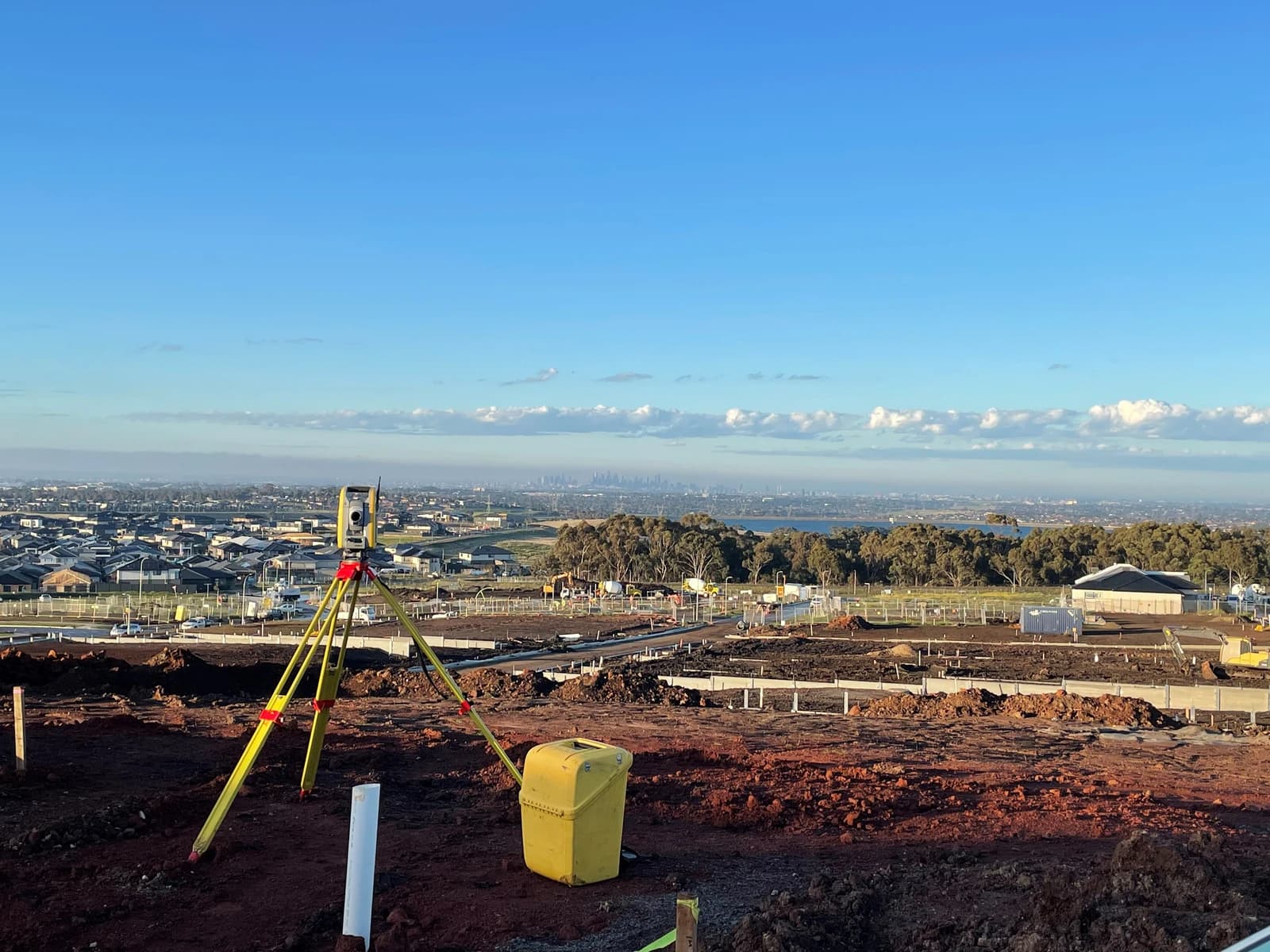
Delhi’s housing push got a fresh deadline and a bigger sales cushion as the Delhi Development Authority extended bookings for its Karmayogi Awaas Yojana to September 30 and kept discounts of up to 25% in place on select flats, a move aimed at widening access to relatively cheaper homes in a market where private project prices remain elevated.
DDA extends Karmayogi Awaas Yojana to September 30
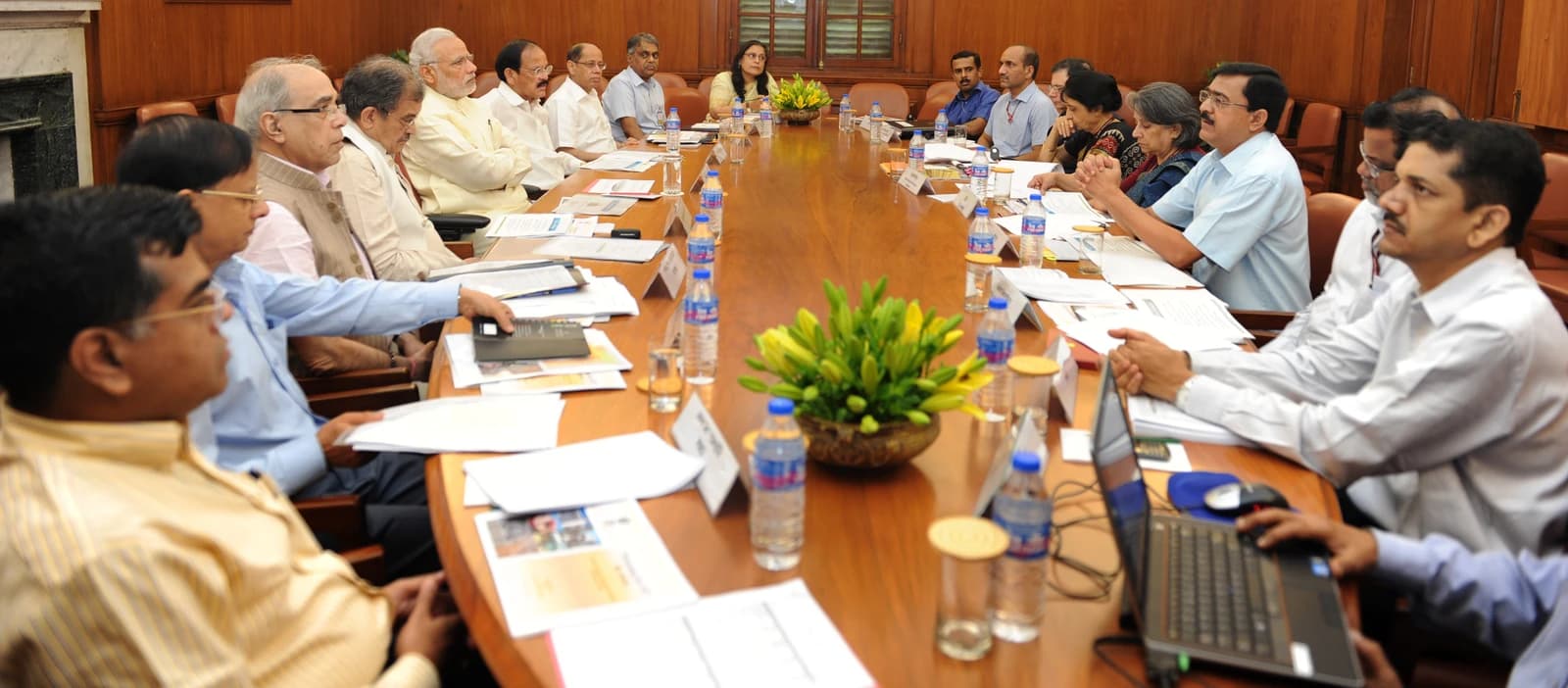
The extension matters because it gives government buyers more time to assess inventory in Narela, one of the few parts of the capital where DDA can still offer flats below much of the private market. It also signals the authority is prioritizing absorption over speed, using price cuts and an FCFS, or first-come-first-served, allotment model to clear supply without a lottery system.
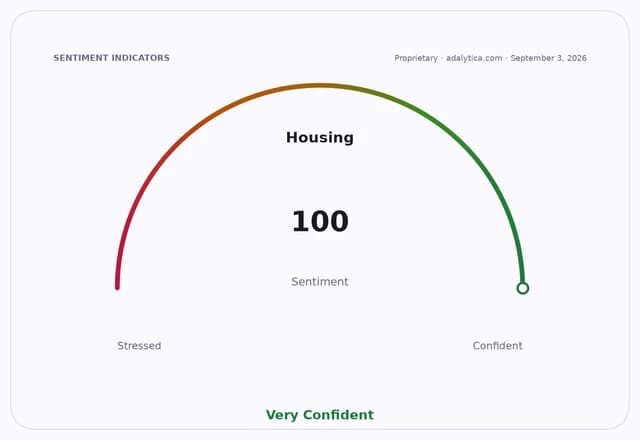
Sentiment IndicatorsⓘProprietary · adalytica.com · September 3, 2026
This is a snapshot — live sentiment, awareness and momentum for 130+ markets update continuously in the dashboard.Open AlphaPulse

DDA has already expanded the scheme several times. It initially offered flats in Sector A1-A4, Pocket 9, later added units in Pocket 6, then brought in another 1,552 flats in Pocket 13 through a May 21 circular. In an August 18 circular, it said 1,287 more flats were added in Pocket 3 and Pocket 4, taking the scheme deeper into Narela’s inventory. That kind of incremental supply release suggests the authority is testing demand while trying to keep the pipeline moving.
For buyers, the appeal is straightforward: a government-backed option, no draw-based uncertainty and a discount that can improve affordability at a time when Delhi’s private housing market remains expensive. But the discount is only part of the cost equation. Buyers still need to factor in registration, stamp duty, taxes, maintenance, utility expenses and financing costs, which can materially raise the final outlay.
The scheme is most relevant to first-time buyers, salaried households and government employees looking for long-term self-use rather than speculative gains. Narela may look affordable on paper, but location remains the key trade-off. Commute times, connectivity, schools, hospitals and market access will determine whether the lower entry price is enough to offset the area’s distance from many employment hubs.
Investor implications are limited for listed developers, but the broader signal matters for Delhi’s real estate market. A government-led discounting programme can temper demand for private affordable stock at the margin, while also reinforcing the city’s shift toward more structured housing access and digital processes. That aligns with Delhi’s wider housing push, including a home-registration system that can now be completed from home and the broader Master Plan 2047 goal of building 40 lakh affordable homes.
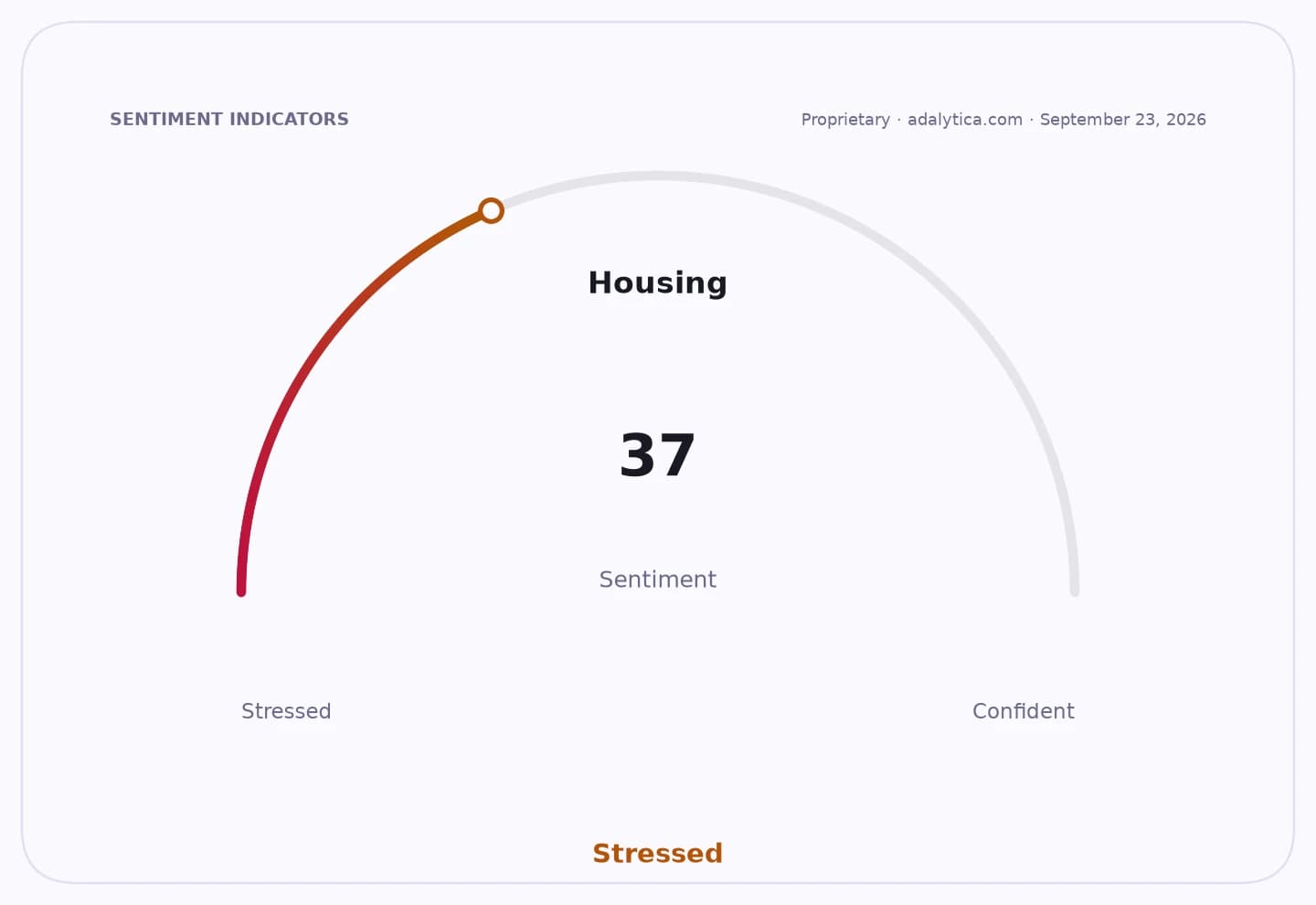
Market sentiment around housing remains mixed. Adalytica’s Housing Fear & Greed Index showed “Fear” at 30, with awareness in “Extreme Fear,” while the Housing and Rent Inflation gauge sat at “Extreme Greed,” reflecting the strain of elevated housing costs. In that environment, DDA’s discounting is less a tactical promotion than a response to affordability pressure.
For buyers, the question is not whether a 25% discount sounds attractive, but whether the total cost and location fit their budget and life plans. For Delhi’s housing market, the deeper story is that the government is using price incentives, deadline extensions and faster allotment to move inventory in a city where affordability remains the central constraint.
| Entity | Gains | Losses |
|---|---|---|
| DDA | ▲Faster inventory absorption | ▼Lower price realization |
| Homebuyers | ▲Discounted entry into Delhi housing | ▼Limited choice and location trade-offs |
| Private developers | ▲Broader affordable-housing demand support | ▼Pricing pressure in lower-cost segment |
| Narela buyers | ▲More affordable supply | ▼Longer commute and infrastructure gaps |