A novelty bar in Beijing’s Zhongguancun tech district is using free DeepSeek access as a customer draw, and the bigger economic story is that AI has become cheap enough — and culturally sticky enough — to be repackaged as a loss-making retail amenity.
DeepSeek Access Draws Crowds at Beijing AGI Bar
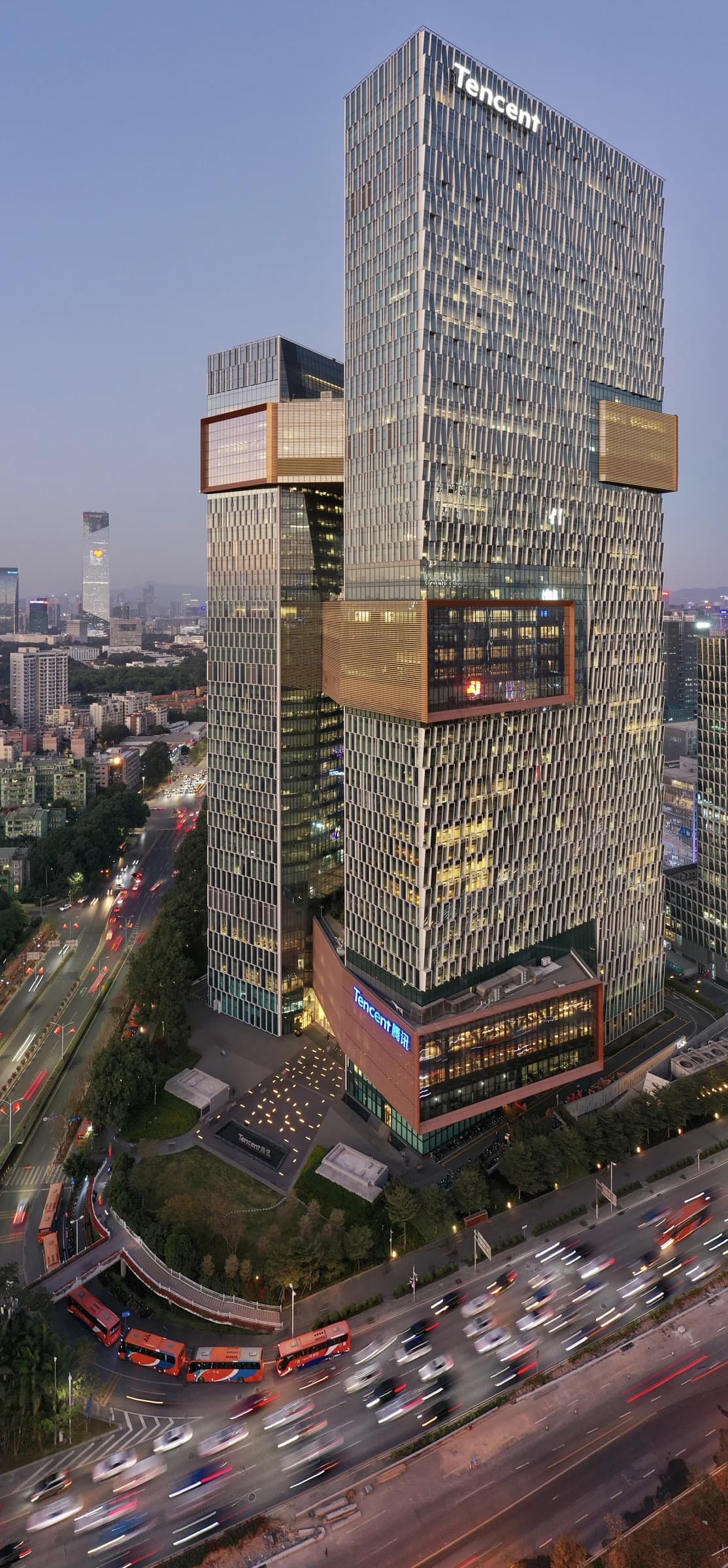
AGI Bar, founded by a software engineer, serves drinks for as little as 9.9 yuan and gives patrons unlimited AI access over the venue’s Wi‑Fi. The model has turned the bar into a social hub for investors, engineers and students near Tsinghua University and major technology companies, while the owner says drinks given away for free now outnumber paid sales by 10 to 1. Even so, he has opened a second branch in Shanghai, betting that the real product is not alcohol but traffic, community and proximity to China’s AI boom.
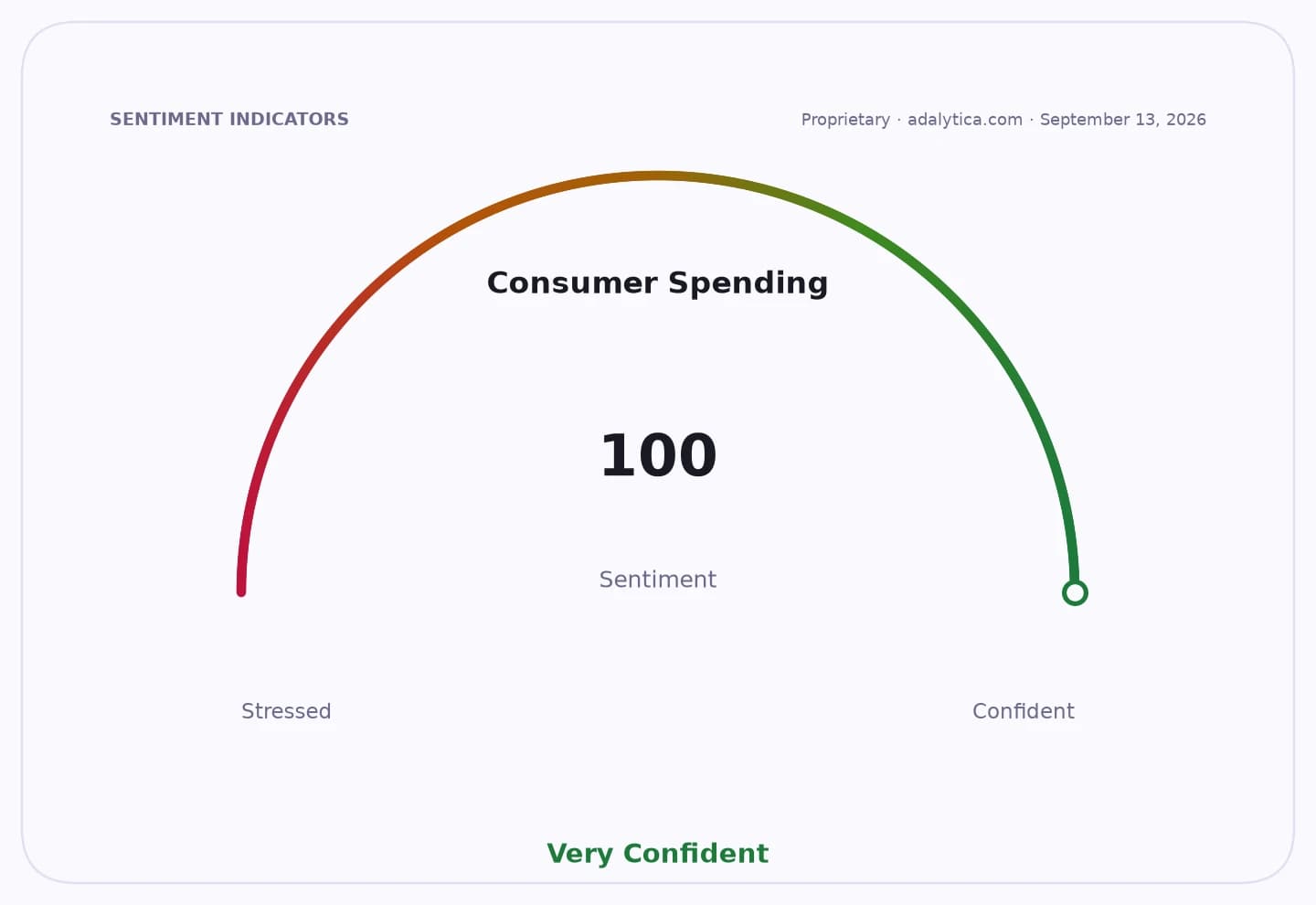
Sentiment IndicatorsⓘProprietary · adalytica.com · October 6, 2026
This is a snapshot — live sentiment, awareness and momentum for 130+ markets update continuously in the dashboard.Open AlphaPulse
The concept matters because it reflects how quickly AI is moving from a high-cost enterprise tool to a consumer-facing utility that businesses can subsidize to attract customers. If AI access can be bundled into a cheap beverage, it suggests token usage and model access costs are falling enough to support experiments outside traditional software channels. It also shows that in China’s top tech clusters, AI is becoming part of everyday social life, not just a line item in corporate IT budgets.
That has implications for investors across the ecosystem. The obvious winners are model providers and local AI platforms such as DeepSeek, which gain visibility and usage even when the direct monetization is minimal. Chipmakers, cloud providers and infrastructure vendors may also benefit if broader consumer adoption drives more queries and heavier model traffic over time. The bear case is that rapid usage growth does not automatically translate into profitable demand, especially if end users expect AI to be free, as Song De says he hopes it will eventually be “like electricity, water or Wi‑Fi.”
The bar’s expansion also says something about China’s venture culture at a time when policymakers are pushing for technological self-sufficiency and broader AI adoption. Zhongguancun and the nearby university corridor provide a ready-made test bed: a dense mix of founders, students and investors willing to treat a themed venue as both a hangout and a networking layer. In that sense, AGI Bar is less a conventional hospitality business than a small-scale proof of concept for AI commercialization in a market that prizes scale, novelty and ecosystem effects.
For investors, the key question is whether these kinds of front-end experiments create durable demand for the underlying AI stack or simply mask weak unit economics with novelty. The near-term read-through is positive for AI engagement and branding, but the longer-term verdict will depend on whether Chinese companies can convert usage into pricing power, subscription revenue or ancillary sales. The fact that the owner is opening another branch despite losses suggests the market is still in the land-grab phase — and that the competitive advantage may belong to those who can turn access into habit before monetization catches up.
| Entity | Gains | Losses |
|---|---|---|
| DeepSeek | ▲More user usage | ▼Direct monetization pressure |
| AGI Bar | ▲Foot traffic and brand buzz | ▼Near-term profitability |
| AI infrastructure providers | ▲Higher query volumes | ▼Margin strain if access stays cheap |
| Rival hospitality venues | ▲Less differentiated concept | ▼Customers seeking novelty elsewhere |