Delhi’s draft electoral roll has exposed a costly digital gap in the Election Commission’s special intensive revision, with voters who submitted forms online still being left off the list because applications were not verified or were rejected for technical mismatches.
Delhi draft roll drops 4.76 million voters
The immediate significance is political and administrative: the exercise has already removed nearly 4.76 million names, or 32.8% of Delhi’s draft roll, the highest draft-stage deletion rate among 30 states and Union territories. For an electoral process built around both digitisation and doorstep verification, the scale of exclusions raises questions about execution, voter access and whether the online channel is functioning as a convenience tool or a source of silent disenfranchisement.
Sentiment IndicatorsⓘProprietary · adalytica.com · September 3, 2026
This is a snapshot — live sentiment, awareness and momentum for 130+ markets update continuously in the dashboard.Open AlphaPulse
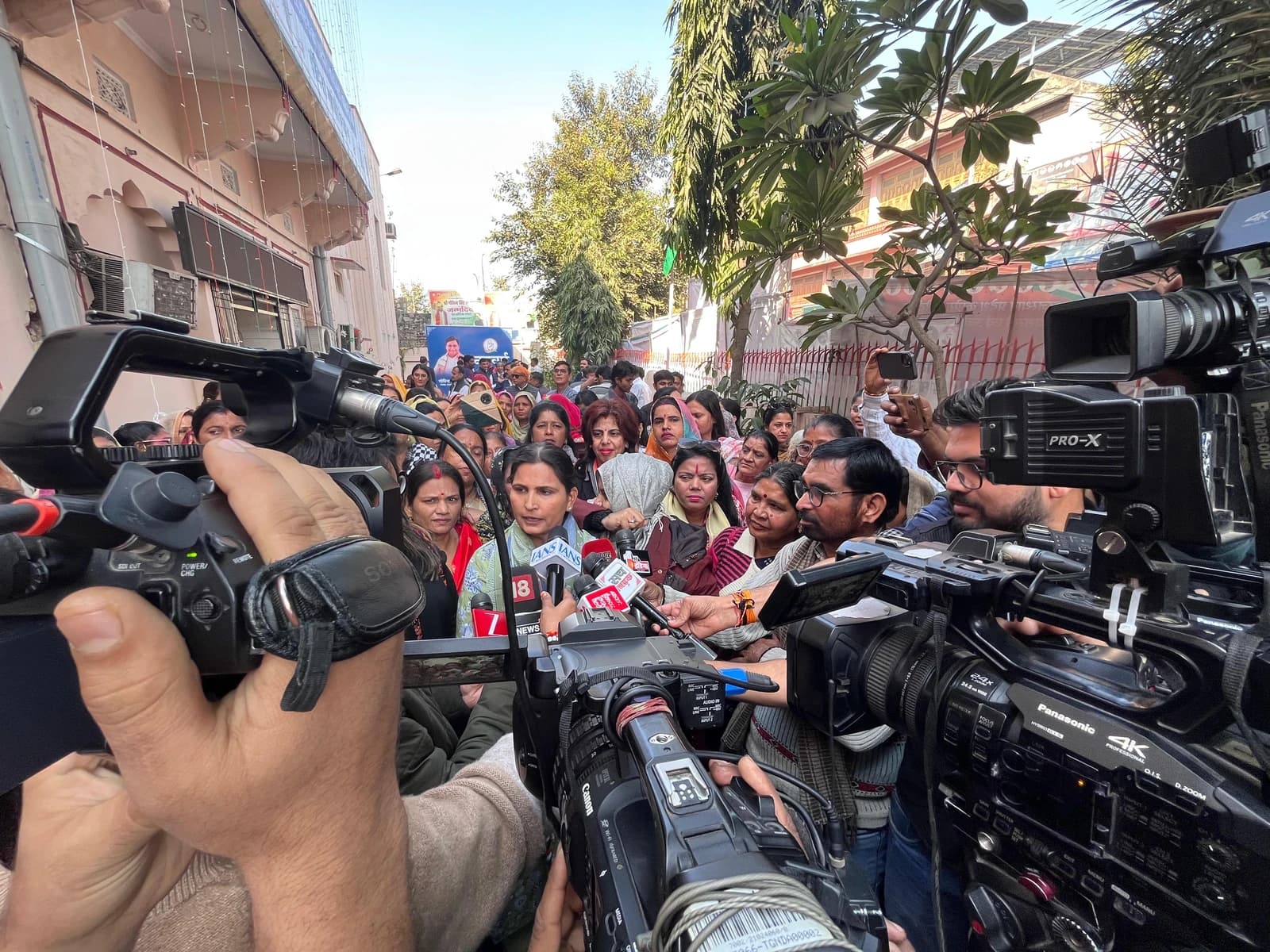
Interviews with residents, booth level officers and electoral registration officers suggest the problem is not only missing paperwork but a mismatch between how voters think the system works and how it actually operates. Many residents assumed that submitting enumeration forms through the Election Commission’s portal or the ECINET app was enough to secure inclusion. In practice, officers still need to call the number linked to the application or make physical visits, and several forms were reportedly rejected because the phone number used online did not match the one attached to Aadhaar or an existing voter ID.
That technical layer matters because it creates a weak point in a process meant to clean up the rolls, not shrink participation. Delhi’s draft deletions are not being driven solely by dead, shifted or duplicate voters, but also by people who say they complied with the rules and were never told their forms were rejected. If that pattern holds, the revision could affect voter confidence well beyond the current claims-and-objections window.
The economic relevance is indirect but real. Electoral roll quality affects how efficiently a large urban labour market can participate in democratic processes, especially in a city where migration, rental housing and phone-number churn are common. A system that drops urban residents because of data mismatches can widen the gap between formal digital access and actual civic access. That is particularly sensitive in Delhi, where repeated administrative friction can feed broader concerns about digital public infrastructure, identity matching and service delivery.
For investors, the story is less about immediate market impact than about policy execution risk in India’s digital governance model. India’s growth narrative increasingly rests on the assumption that technology can improve inclusion, reduce leakage and scale public services. But the Delhi experience shows that digitisation without robust last-mile verification can produce the opposite outcome: more opacity, more appeals and more administrative burden. For sectors exposed to government tech platforms, identity verification and compliance workflows, execution quality matters as much as policy intent.
Political parties are already treating the deletions as a campaign issue, with AAP and Congress workers reporting complaints from voters and accusing local officers of poor verification. The Election Commission has said those omitted can file Form 6 during the claims and objections period, with final rolls due on November 4, but the immediate damage is that many voters may only discover the problem when they try to vote.
The next test is whether the correction window can reverse the deletions fast enough to restore confidence before the final roll is published. If not, Delhi’s SIR could become a cautionary case for other states: a digital electoral reform that promised efficiency but instead exposed how fragile online access can be when it is not matched by clear verification and communication.
| Entity | Gains | Losses |
|---|---|---|
| Election Commission | ▲cleaner rolls if errors fixed | ▼credibility over execution |
| Voters who file appeals | ▲chance of restoration | ▼time and access burden |
| Political parties | ▲campaign leverage | ▼if corrections reduce grievance |
| Digital governance model | ▲case for reform | ▼trust in online verification |