Delta State’s push to wipe out almost all of its legacy debt is the real story here, because it could free up future budgets for roads, schools and other public spending instead of interest costs and refinancing pressure.
Delta State cuts legacy debt to N63 billion
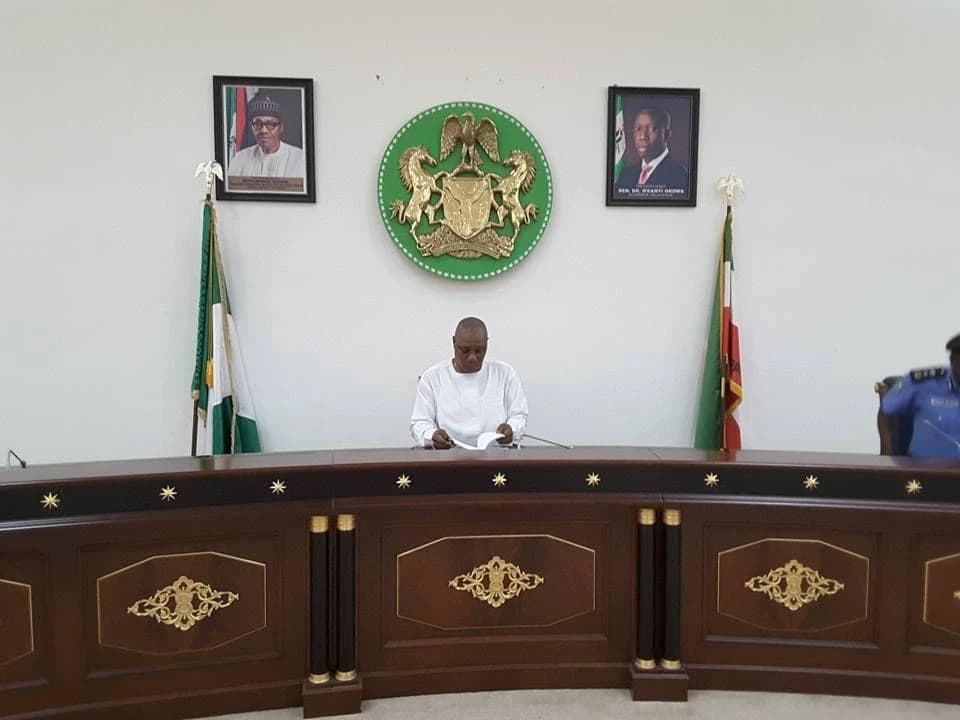
The state government says it has already cut outstanding legacy debt from N463 billion to N63 billion, meaning about 86% of the burden has been cleared under Governor Sheriff Oborevwori’s administration. Officials now expect the remaining balance to be repaid by the first quarter of 2027, putting the state on course to be debt-free by the second quarter of that year.
Sentiment Indicators
For investors and lenders, that matters because a cleaner public balance sheet usually means more fiscal flexibility and less crowding out of capital projects. When a state can spend a larger share of its budget on infrastructure instead of servicing old obligations, it can support local commerce, improve logistics and, over time, make the region more attractive for private capital.
The numbers also point to a deliberate spending pattern. Delta says roughly 70% of its current expenditure is going to capital projects, with only 30% going to recurrent costs. That is a strong signal that the government is trying to convert fiscal discipline into economic growth, not just polish its debt profile.
The planned emphasis for the 2027 budget is roads and critical infrastructure, which is exactly the kind of spending that can lift productivity in a state economy. Better roads lower transport costs, connect communities and help businesses move goods faster. For residents, that can mean better access to markets and public services; for contractors and suppliers, it can mean a steadier pipeline of public works.
There is also a political economy angle investors should not ignore. Delta’s administration is tying the debt reduction effort to visible policy choices such as a 13th-month salary and continued infrastructure spending, suggesting it wants to show that fiscal restraint and social spending can coexist. Civil society groups are already backing the government’s budget process while pressing residents to protect public facilities, a reminder that execution matters as much as promises.
The key question now is whether the state can keep this discipline through 2027 without sacrificing growth. If it does, Delta could emerge with more borrowing capacity, stronger investor confidence and a better platform for long-term development. For long-term investors, that makes the state worth watching as an example of how debt reduction can create room for compounding economic gains.
| Entity | Gains | Losses |
|---|---|---|
| Delta State Government | ▲Fiscal room and credibility | ▼Debt-service burden |
| Residents and businesses in Delta | ▲Better roads and access | ▼Short-term austerity tradeoffs |
| Contractors and infrastructure suppliers | ▲More capital spending | ▼Slower recurrent spending growth |
| Creditors and lenders | ▲Improved repayment prospects | ▼Fewer high-yield claims |