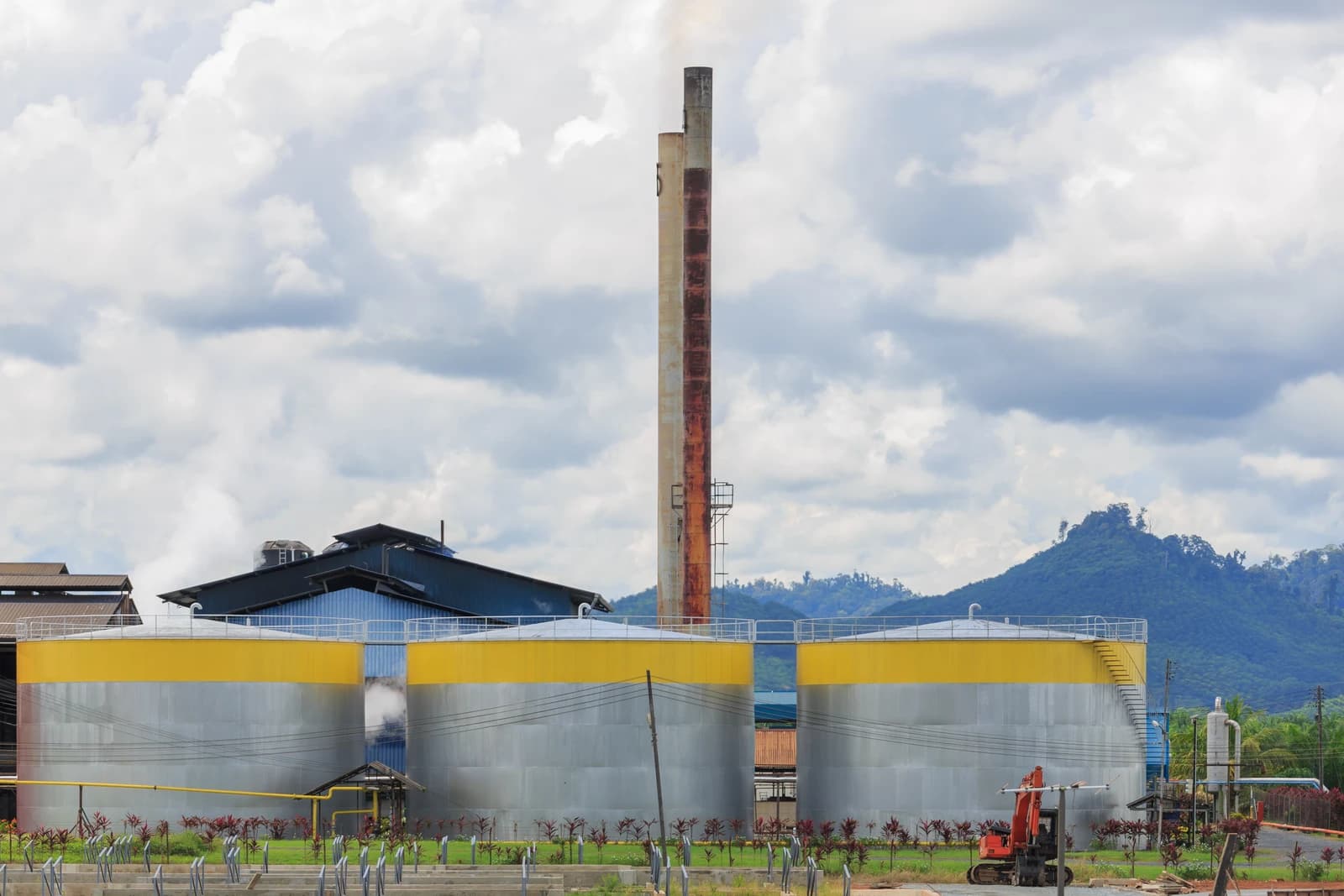
Denera has drawn indicative financing interest of $3.6 billion from 34 institutions for eight waste-to-energy projects in Indonesia, more than triple the $1 billion of debt the projects are expected to need.
Denera Draws $3.6 Billion for Indonesia Waste Projects
The response matters because it suggests strong lender appetite for a sector that has long struggled to secure project finance at scale. For Indonesia, where waste treatment and power demand are both rising, the projects could help unlock infrastructure investment while easing pressure on local governments that need cleaner disposal capacity.
Sentiment IndicatorsⓘProprietary · adalytica.com · October 23, 2026
This is a snapshot — live sentiment, awareness and momentum for 130+ markets update continuously in the dashboard.Open AlphaPulse
Denera, the integrated waste-management company formed by Danantara Indonesia, said the interest came from a lenders panel that includes infrastructure financiers and development banks such as PT Sarana Multi Infrastruktur, the Asian Development Bank and the Asian Infrastructure Investment Bank. Chief Executive Fadli Rahman said the company needs that level of interest because Denera will take the lead on funding in the second phase of the program.
The financing interest is still indicative and does not amount to approval. Each lender must still run its own credit review before committing funds, meaning the process could narrow from broad interest to a smaller final syndicate.
The projects are part of a broader push to convert waste into electricity under a one-door policy that centralizes permitting, land acquisition and power-purchase agreements with state utility PLN. Denera says that structure improves project bankability by reducing execution risk, a key issue for infrastructure lenders that typically require clear offtake terms and land certainty before committing to long-tenor loans.
Danantara has already completed two auction rounds. The first three projects in Denpasar Raya, Bekasi and Bogor Raya are under construction and targeted to start operating in the first half of 2028. The second round covers eight locations including Medan, Serang, Bogor Raya 2, Semarang, Yogyakarta, Lampung and Surabaya, with construction expected to begin in the second quarter of 2027.
For investors, the story points to a potentially large financing pipeline in Indonesian clean infrastructure and a test of whether domestic and multilateral lenders will keep supporting waste-to-energy as a bankable asset class. It also highlights Denera’s bigger ownership role in the second phase, where it will hold 51% versus 49% for selected partners, making the company more exposed to execution risk but also more central to the economics.
The next catalyst is whether the 34 interested institutions turn into signed commitments after credit approvals, which would set the scale and cost of financing for one of Indonesia’s most closely watched green infrastructure programs.
| Entity | Gains | Losses |
|---|---|---|
| Denera / Danantara | ▲Larger financing pool | ▼Higher execution scrutiny |
| Lenders panel | ▲New green infrastructure exposure | ▼Credit and project risk |
| PLN / local governments | ▲More waste-treatment capacity | ▼Delays if financing slips |
| Project partners | ▲Equity-backed growth opportunity | ▼Lower ownership in phase two |