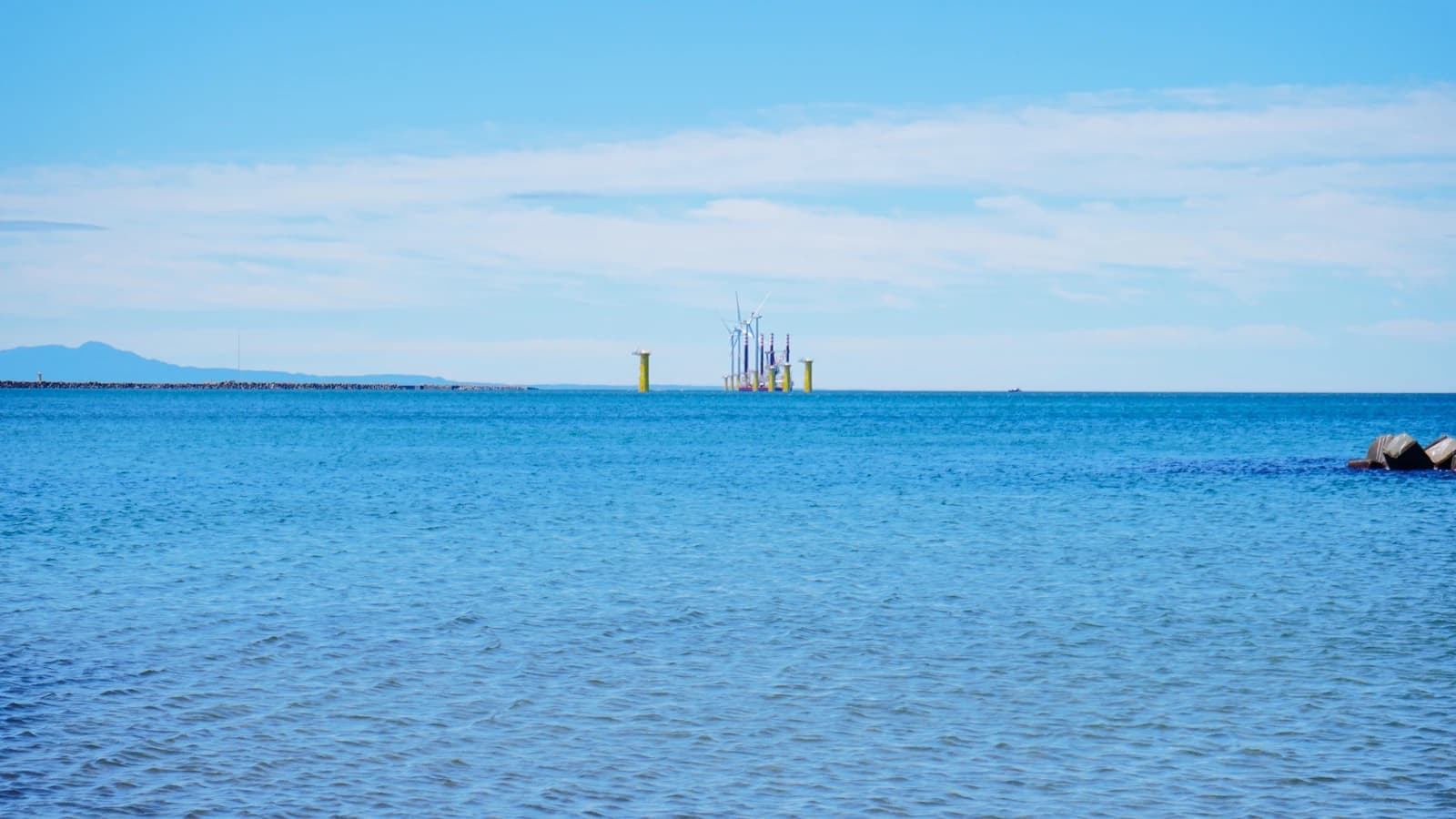
Deutsche Bank has stepped in as sole lender for the 10-year financing tranche of the Parron Maam Marang wind farm, a move that helps keep one of Australia’s newer renewable projects moving toward construction and eventual power generation.
Deutsche Bank funds Parron Maam Marang wind farm
That matters because project finance is what turns wind farms from proposals on paper into operating assets that can sell electricity for years. Deutsche Bank is committing AUD 100 million to a development backed by a 12-year power purchase agreement, giving the project a clearer funding path and reducing execution risk for the sponsor. For investors, the message is simple: renewable power projects with contracted cash flows are still attracting bank capital even as the sector wrestles with community opposition, permitting friction and higher financing costs.
Sentiment Indicators
The Parron Maam Marang project is slated to reach up to 470 megawatts, a scale large enough to matter for Australia’s clean-energy buildout. A long-term power purchase agreement is especially important here because it provides revenue visibility, which is what lenders want and what equity holders need if they are hoping to compound value over time. In plain English, the bank is not betting on merchant electricity prices; it is lending against contracted cash flow.
That structure is increasingly valuable in a market where investors have become more selective about infrastructure and renewable assets. Wind developers need patient capital, and banks that can underwrite long-dated, asset-backed deals can earn steady returns while supporting the energy transition. For Deutsche Bank, the financing also fits a broader pattern of large lenders competing for low-risk, fee-generating green infrastructure mandates rather than chasing volatile corporate lending.
The deal also lands against a wider backdrop of pushback over wind development in Australia, where farmers and local communities have questioned the impact of new projects on land use and compensation arrangements. Those tensions do not kill the investment case, but they can slow construction, raise costs and complicate timelines. That makes financing certainty even more important: the easier it is to lock in capital, the more likely the project is to survive the political and logistical drag that often derails renewable builds.
For long-term investors, the takeaway is that the clean-energy opportunity is increasingly about execution, not just ambition. Projects with clear permits, long-term offtake contracts and reputable lenders are the ones most likely to make it through to cash flow. Deutsche Bank’s backing of this 10-year tranche is a sign that disciplined financing remains available for the right assets, and that is worth watching if you own renewable infrastructure names or are building a diversified portfolio for the next decade.
| Entity | Gains | Losses |
|---|---|---|
| Deutsche Bank | ▲Lending income, green finance credibility | ▼Balance-sheet exposure |
| Parron Maam Marang project | ▲Funding certainty, construction progress | ▼Less flexibility on financing terms |
| Renewable investors | ▲More bankable project pipeline | ▼Fewer cheap, easy returns |
| Local opponents/farmers | ▲— | ▼More infrastructure pressure |