A Kenyan environmental campaigner’s criticism of Germany’s plan to expand coal mining underscores how Europe’s energy crisis is forcing governments to trade climate promises for short-term fuel security.
Germany coal mine expansion faces climate backlash
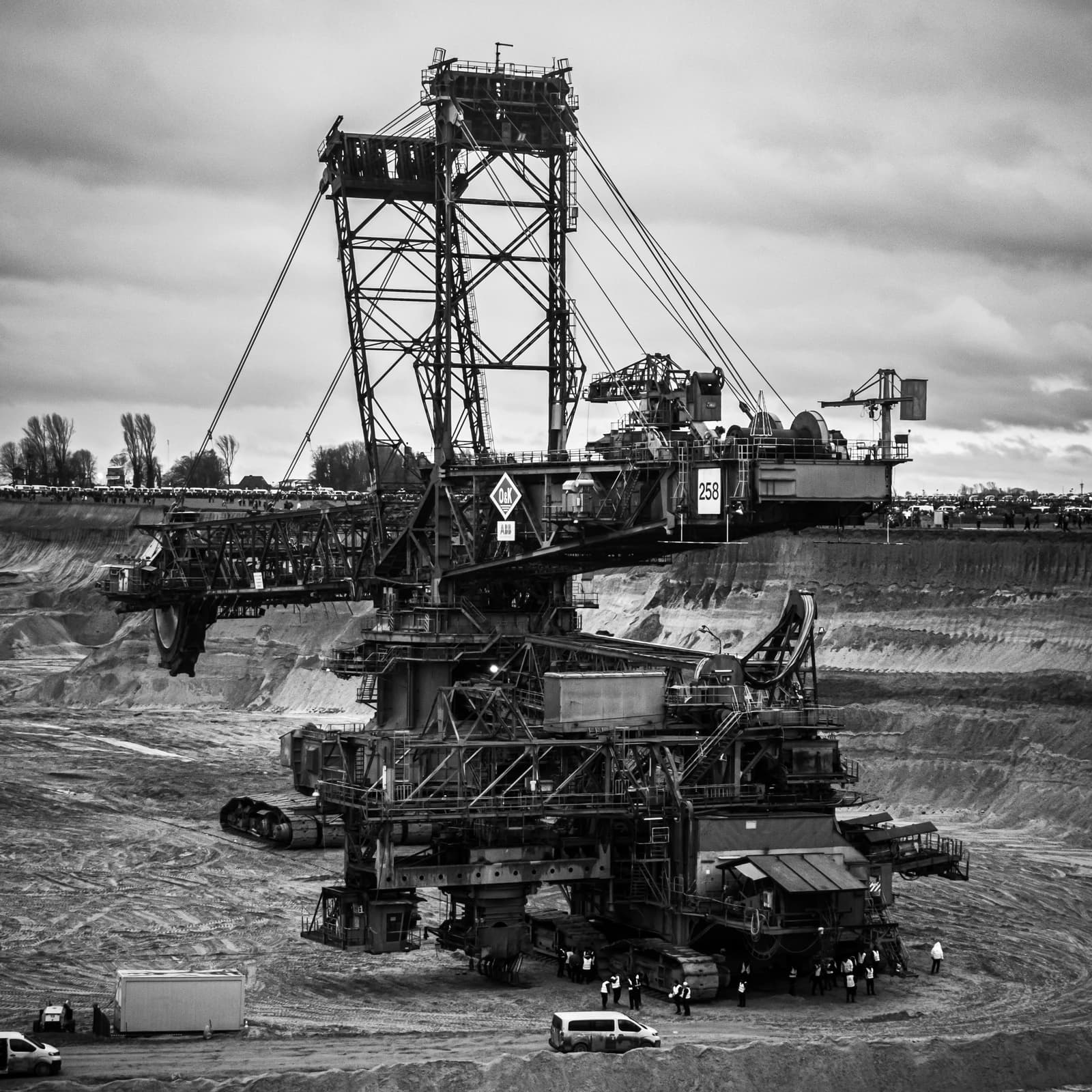
Elizabeth Wathuti said she was “overwhelmed” by plans to demolish a hamlet and a wind farm to make way for an expanded coal mine, a move that highlights the political cost of Germany’s return to coal as it seeks to shield households and industry from supply shocks. For investors, the issue goes beyond a local dispute: it illustrates how energy security, not just emissions targets, is still dictating policy in Europe’s biggest economy.
Sentiment Indicators
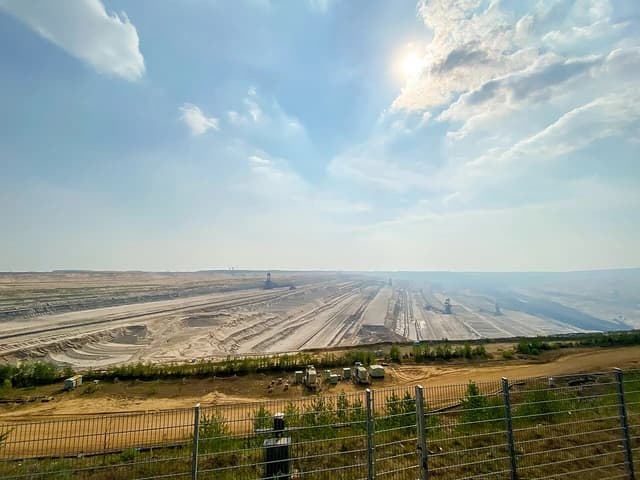
Coal remains a live asset class because governments are still willing to extend its life when gas markets tighten or power systems come under stress. That matters economically because every delay in the retreat from coal can affect electricity costs, emissions trajectories and capital allocation across the utilities, mining and renewables sectors. It also keeps alive the risk of policy reversals, permitting delays and social backlash that can hit project economics.
The German plan is especially controversial because it pits an existing wind installation against lignite mining, sharpening the contradiction at the heart of Europe’s transition. Supporters of the mine expansion will argue that dispatchable domestic coal is needed to preserve grid stability and industrial output when cleaner alternatives are not yet sufficient. Opponents will say the move locks in carbon-intensive capacity at exactly the moment governments are supposed to be accelerating the shift away from fossil fuels.
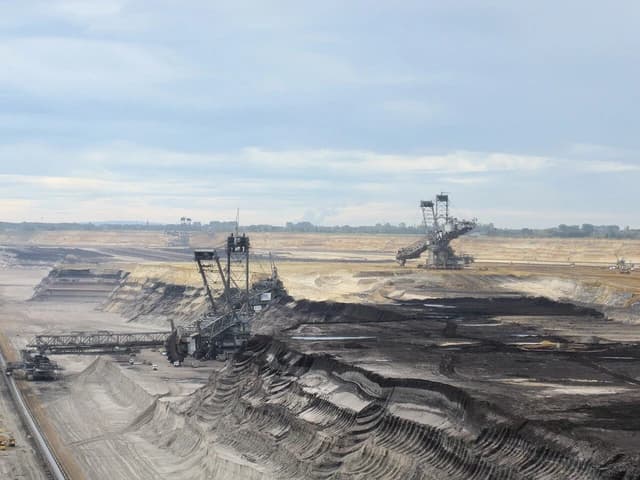
For equity investors, the immediate beneficiaries tend to be thermal coal producers and power generators able to monetise higher fuel demand, while the losers are renewable developers, carbon-intensive utilities and, more broadly, long-duration climate-transition trades that depend on faster policy progress. The episode is also a reminder that environmental opposition can still shape permitting risk and sentiment around European infrastructure assets.
The broader narrative is that the energy transition is no longer a simple march toward decarbonisation. It is being rewritten by security concerns, inflation pressures and the political limits of sacrifice, with coal still surfacing whenever governments decide reliability matters more than optics.
| Entity | Gains | Losses |
|---|---|---|
| Coal miners | ▲Higher demand for output | ▼Long-term transition pressure |
| German utilities | ▲Short-term supply security | ▼Carbon and policy scrutiny |
| Renewable developers | ▲— | ▼Project displacement risk |
| Climate activists | ▲Public attention | ▼Policy momentum setback |