The world is on pace to miss its key ocean-protection target by 265 years, a brutal reminder that biodiversity policy is colliding with a far bigger investment problem: governments are promising transformation while failing to fund, enforce or execute it.
Biodiversity Pact Delays Boost Environmental Tech Demand

That gap matters because nature loss is no longer just an ethical failure; it is becoming an economic one. Greenpeace says only 3.5% of the oceans are effectively protected today, versus the 30% target agreed for 2030. At the current pace, that goal would not be reached until 2291. The first formal stocktake of the 2022 U.N. biodiversity pact in Yerevan is showing the same pattern seen in climate policy: nearly 90% of countries have set national goals, but implementation is lagging badly, and official U.N. reporting says fewer than half the targets are on track.
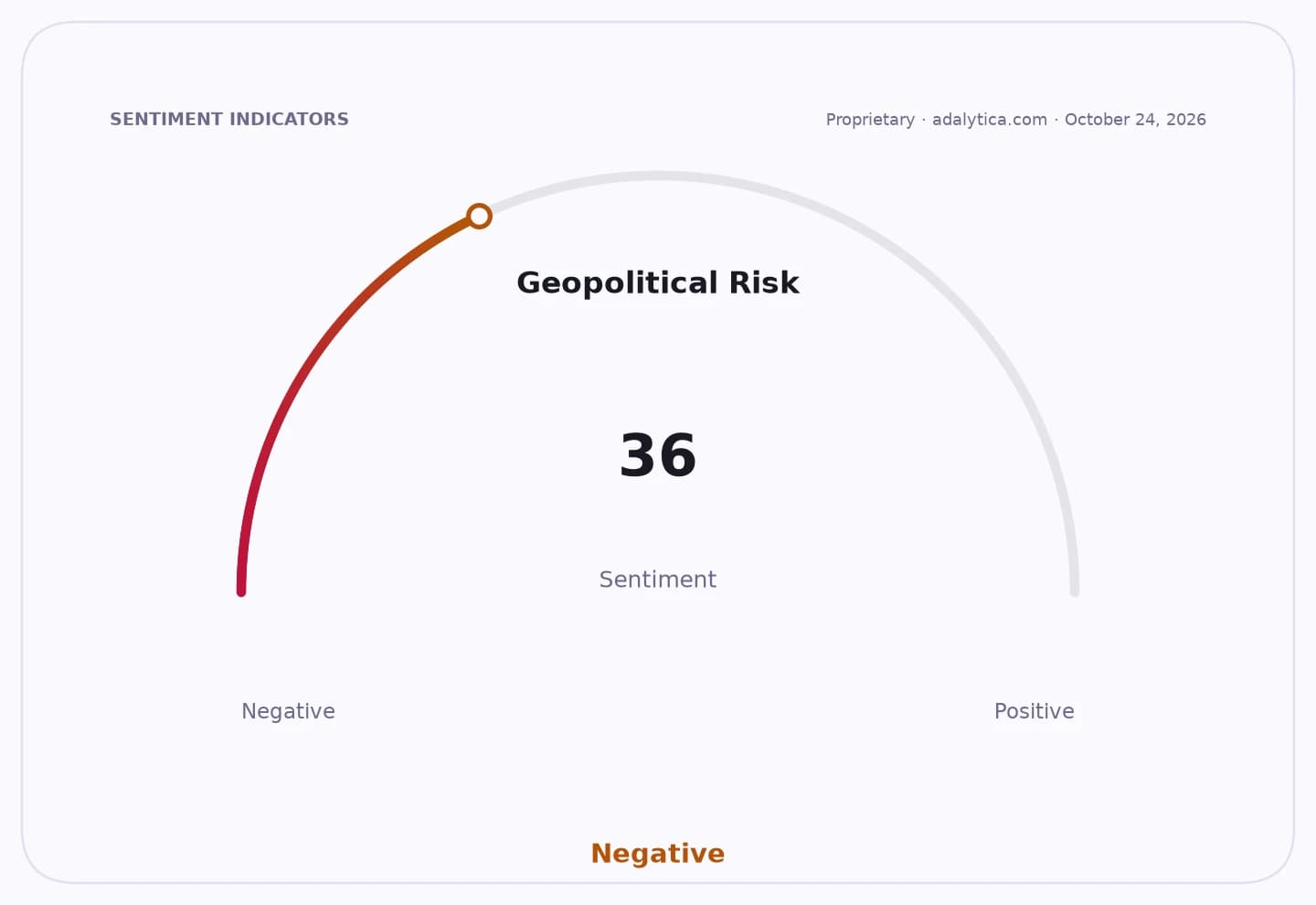
Sentiment IndicatorsⓘProprietary · adalytica.com · October 25, 2026
This is a snapshot — live sentiment, awareness and momentum for 130+ markets update continuously in the dashboard.Open AlphaPulse
For investors, that is the point. When policy ambition outruns execution by centuries, capital is forced to fill the void. The market still treats biodiversity as a side theme, but the economics are becoming unavoidable. Protected oceans need monitoring, enforcement, mapping, data systems and infrastructure. That creates a long-duration spending cycle for satellite firms, sensors, marine analytics, environmental consultancies, water infrastructure companies and, increasingly, the energy and industrial names that help governments and corporations comply with disclosure, conservation and restoration rules.
The treaty architecture is in place, but the ratification math shows how slow the machinery really is. Of 145 countries that signed the international oceans agreement, only about 80 have ratified it. The U.S. and India are still out, and even countries moving forward, including the Netherlands, have not completed ratification. That matters because every delay pushes the burden back onto a narrow group of early movers while leaving shipping, resource extraction and industrial ocean use largely unpriced.
This is also why the issue is bigger than environmental politics. Wars, geopolitical instability and the rise of AI are crowding the policy agenda, but they do not reduce the cost of ecological damage. They often amplify it. Supply chains, food systems, tourism, fisheries and coastal real estate all become more vulnerable when biodiversity erodes. The market underestimates how quickly that turns into capital allocation pressure, insurance repricing and regulatory risk.
The investable takeaway is straightforward: the biodiversity trade will not be led by headline-friendly conservation names alone, but by the picks-and-shovels layer that makes compliance, verification and restoration scalable. That favors infrastructure, industrial technology, clean water, environmental services and select energy-transition beneficiaries as governments are forced to move from pledges to procurement. The broader message is even more important: if policymakers keep stalling, the eventual spending bill gets larger, not smaller.
| Entity | Gains | Losses |
|---|---|---|
| Environmental tech & monitoring firms | ▲Compliance demand | ▼Policy delay |
| Water, waste and restoration names | ▲Long-cycle contracts | ▼Weak enforcement |
| Fishing, shipping and extractive users | ▲Short-term flexibility | ▼Tighter rules later |
| Governments with unfinished ratification | ▲Political cover now | ▼Credibility and urgency |