Antoine Vermorel is trying to turn ecology into a right-wing political platform in France, arguing that the center-right can no longer leave environmental policy to the left.
France center-right pushes ecology policy
The Les Républicains lawmaker from the Loire is publishing on Thursday “On marche sur la Terre,” a book built around 12 “works” and 100 proposals, with ambitions to become a reference point for candidates across the center and the right. His pitch comes as climate and energy policy increasingly collides with prices, taxes and industrial competitiveness — the issues that matter most to voters and markets alike.
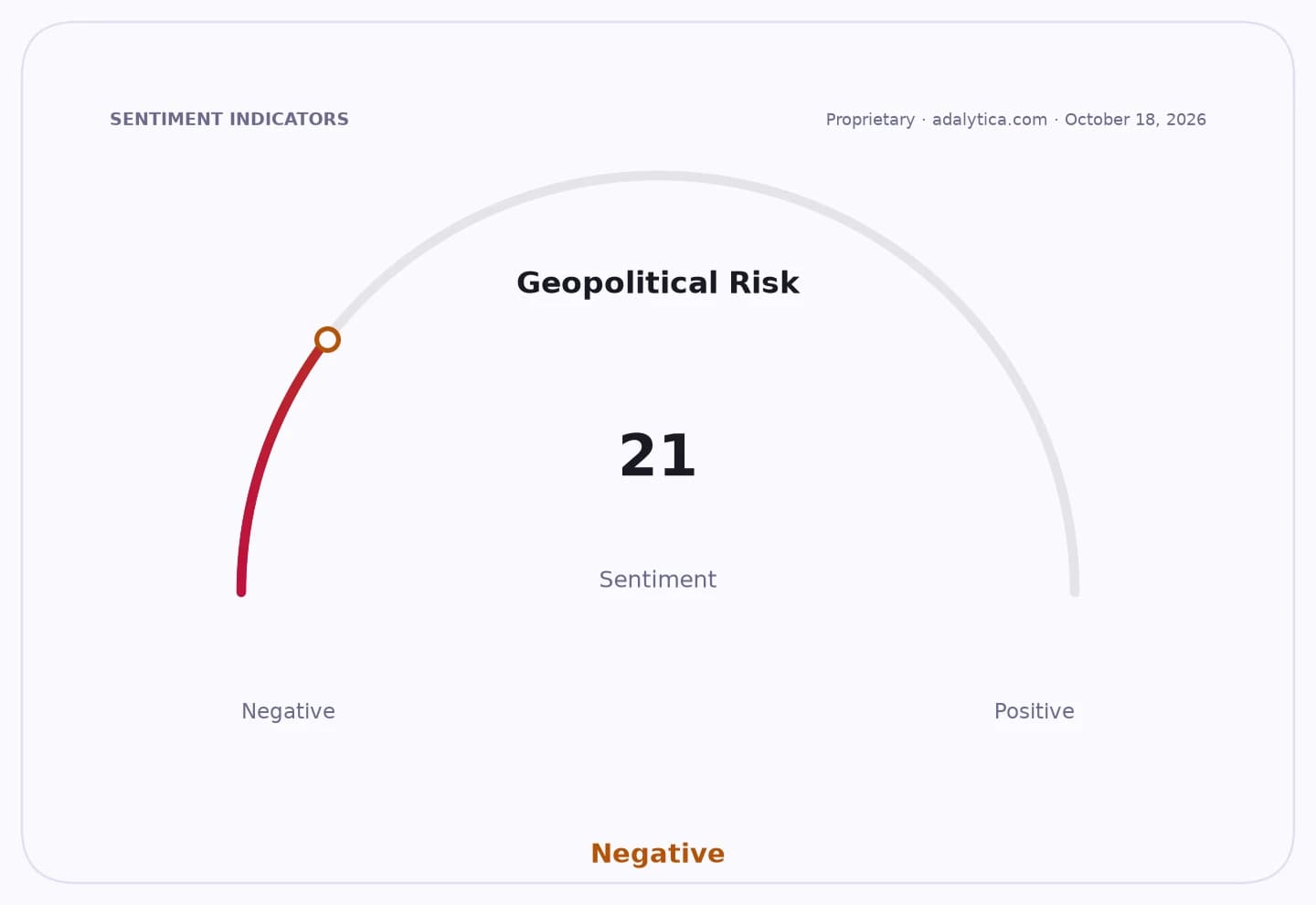
Sentiment Indicators
The timing is significant because Europe’s energy transition is now as much a fiscal and social question as an environmental one. Governments are under pressure to protect households from higher electricity bills, redesign fuel taxes and support domestic industry without deepening budget strains, while also confronting the political backlash that has made green policy toxic in some conservative camps.
That tension is visible well beyond France. In Asia, governments are adjusting electricity and fuel taxes to cushion inflation, while in Europe and the U.S. the debate over decarbonization is feeding directly into utility regulation, transport costs and industrial policy. For investors, that keeps everything from power prices to airline margins and electric-vehicle incentives on the radar, especially as policymakers weigh how much of the energy transition should be funded by consumers versus taxpayers.
Vermorel’s book seeks to answer that question from the right, with proposals that include halving electricity prices and lowering VAT on plane tickets, according to the brief. That framing could appeal to voters wary of higher living costs and to businesses looking for cheaper energy, but it also underscores the trade-offs any right-leaning climate agenda would face: lower prices usually mean either less state revenue, heavier subsidies or a reshuffling of who pays.
The broader political bet is that environmental policy can be reframed as a competitiveness and sovereignty issue rather than a purely moral one. If that argument gains traction, it could force France’s center-right to develop a more coherent stance on energy taxes, household subsidies and industrial emissions — a shift with implications for utilities, transport operators and other sectors exposed to government policy.
For investors, the immediate takeaway is less about the book itself than about the direction of French and European policy debate: ecology is moving deeper into the mainstream of fiscal and economic decision-making, and the next round of proposals may shape who wins and who pays across energy, aviation and heavy industry.
| Entity | Gains | Losses |
|---|---|---|
| Right-wing voters | ▲lower-bill proposals | ▼higher-tax purists |
| French households | ▲cheaper electricity pitch | ▼state finances |
| Utilities and airlines | ▲clearer policy debate | ▼tighter subsidy pressure |
| Green-left parties | ▲less monopoly on ecology | ▼political positioning |