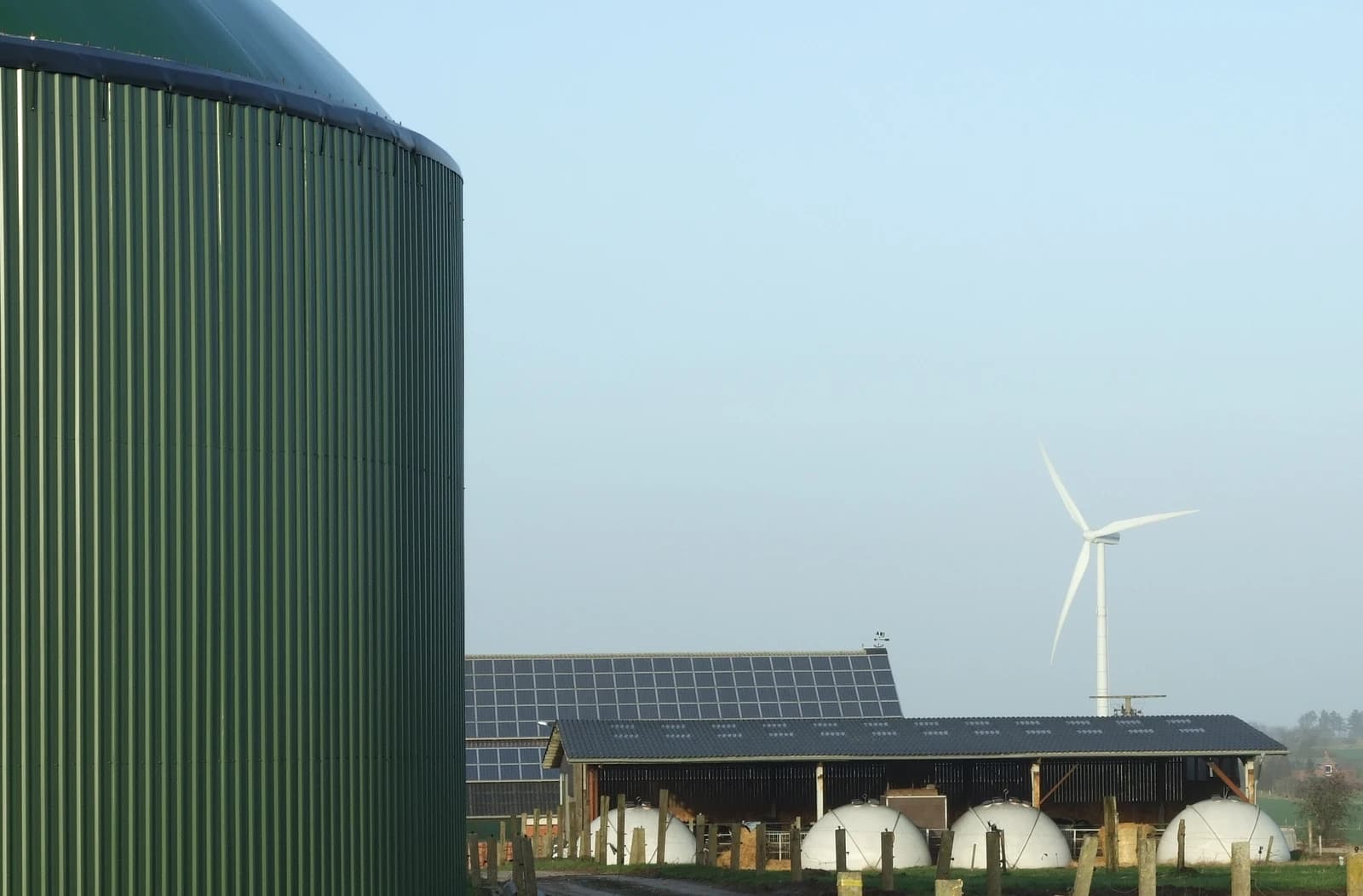
France's wind-turbine buildout is being followed by a measurable rise in far-right voting, and the effect shows up as soon as a permit is filed, before construction even starts.
France wind permits linked to more far-right votes
Geopolitical Risk
That finding matters because it turns renewable-energy siting from a purely engineering and planning issue into an electoral one. In a country where local resistance to wind farms has long been politically sensitive, the study suggests that the backlash can reshape voting behavior well before any tower rises above the horizon.
Sentiment Indicators
The research tracked 34,448 French municipalities from 2007 to 2022 and compared first-round results in four presidential elections with the timing of onshore wind projects. After a permit is filed, far-right support rises by an average 0.9 percentage point more in host municipalities and nearby towns than in comparable places without such projects, roughly the gap between 25.0% and 25.9% of the vote.
The signal appears at the first election after the permit filing, not only after construction or commissioning. That timing suggests the political impact comes from expectation — fears over landscape change, noise, and process — rather than from the turbines themselves.
The effect also extends beyond the host commune. Nearby municipalities see a noticeable increase too, underscoring that the political footprint of a wind farm can spill over administrative borders and complicate the way local officials, developers and the state think about consultation and compensation.
For investors and utilities, the finding is relevant because permitting risk is becoming a broader execution risk in European renewables. Delays, legal challenges and local political pushback can slow projects, raise costs and widen the gap between national clean-energy targets and actual deployment.
It also helps explain why anti-wind rhetoric has become a useful campaign tool for France’s National Rally, which has cast opposition to turbines as a defense of rural landscapes and heritage. Similar dynamics are being studied elsewhere in Europe, including Germany, where the far-right AfD has also used anti-wind messaging.
The policy takeaway is straightforward: the fight is happening earlier than many developers assume. If governments want fewer politically costly projects, the study points to earlier engagement, broader territorial consultation and clearer sharing of benefits before permits are filed.
| Entity | Gains | Losses |
|---|---|---|
| Far-right parties | ▲Electoral support | ▼Local anti-wind issue monopoly |
| Wind developers | ▲Clearer policy lessons | ▼Faster backlash risk |
| Rural municipalities | ▲Potential future revenue | ▼Immediate political polarization |
| Clean-energy rollout | ▲More realistic governance | ▼Slower permitting and siting |