Europe's spreading cost-of-living protests are giving the far right a potent campaign opening, as parties from France to Germany to Spain and Portugal recast street unrest as proof that centrist governments have lost control and only harsher policing can restore order.
Europe cost-of-living protests boost far right
That matters because the demonstrations are no longer just about inflation, energy bills or housing. They are becoming a political accelerant ahead of crucial elections in France, Italy, Poland and Spain, where the ability to harness anger over living standards could decide whether nationalist and populist forces gain more power.
Sentiment Indicators
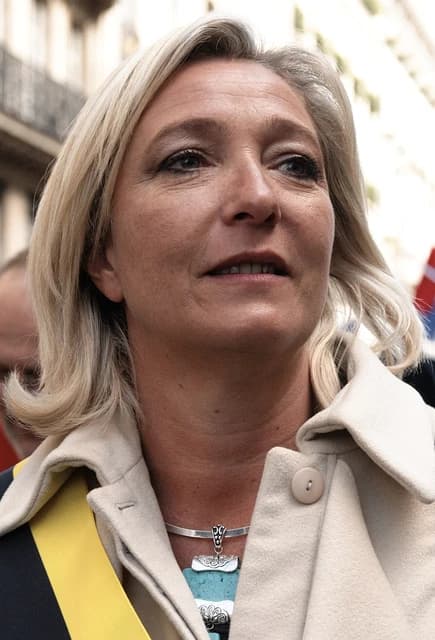
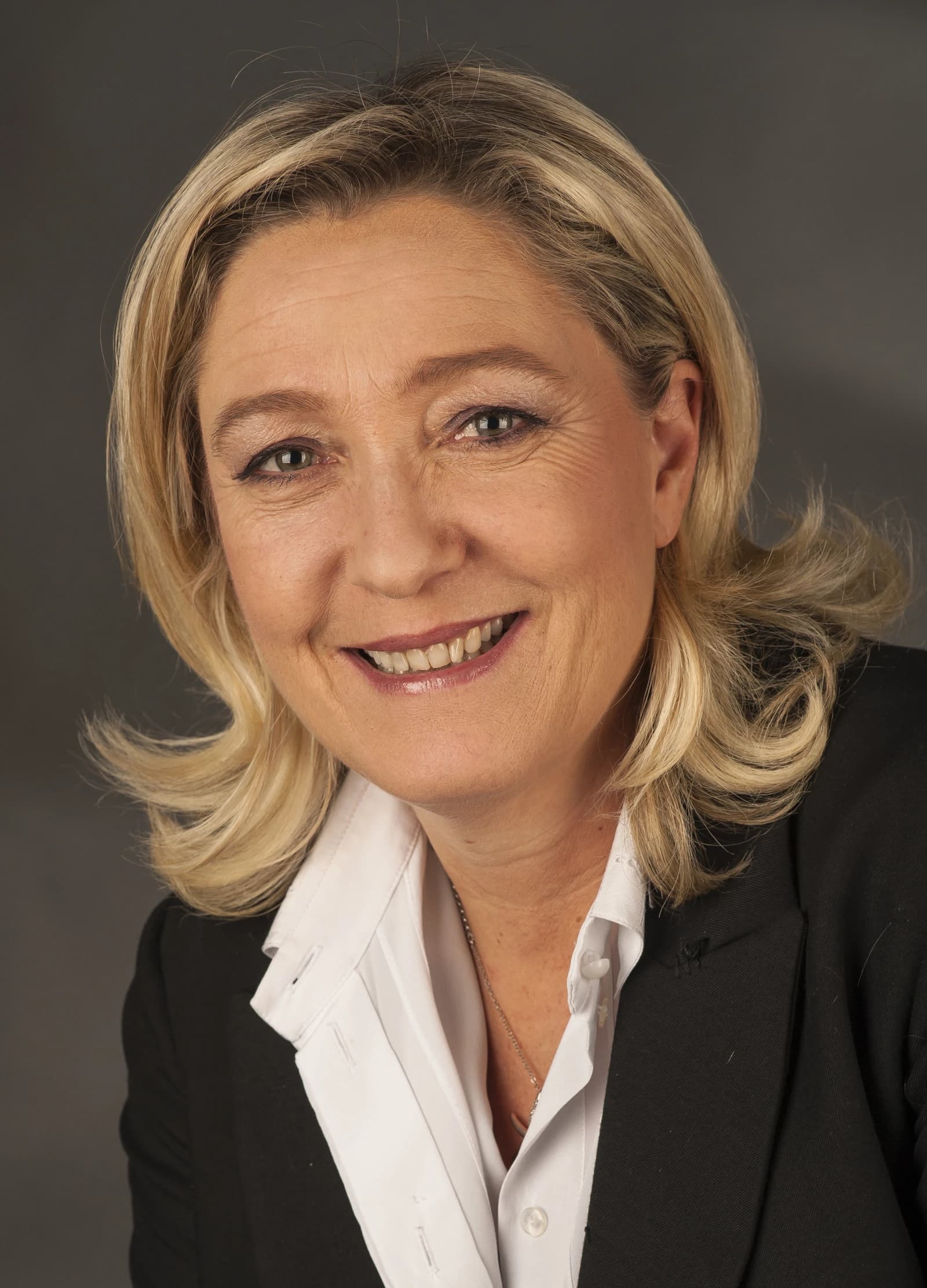
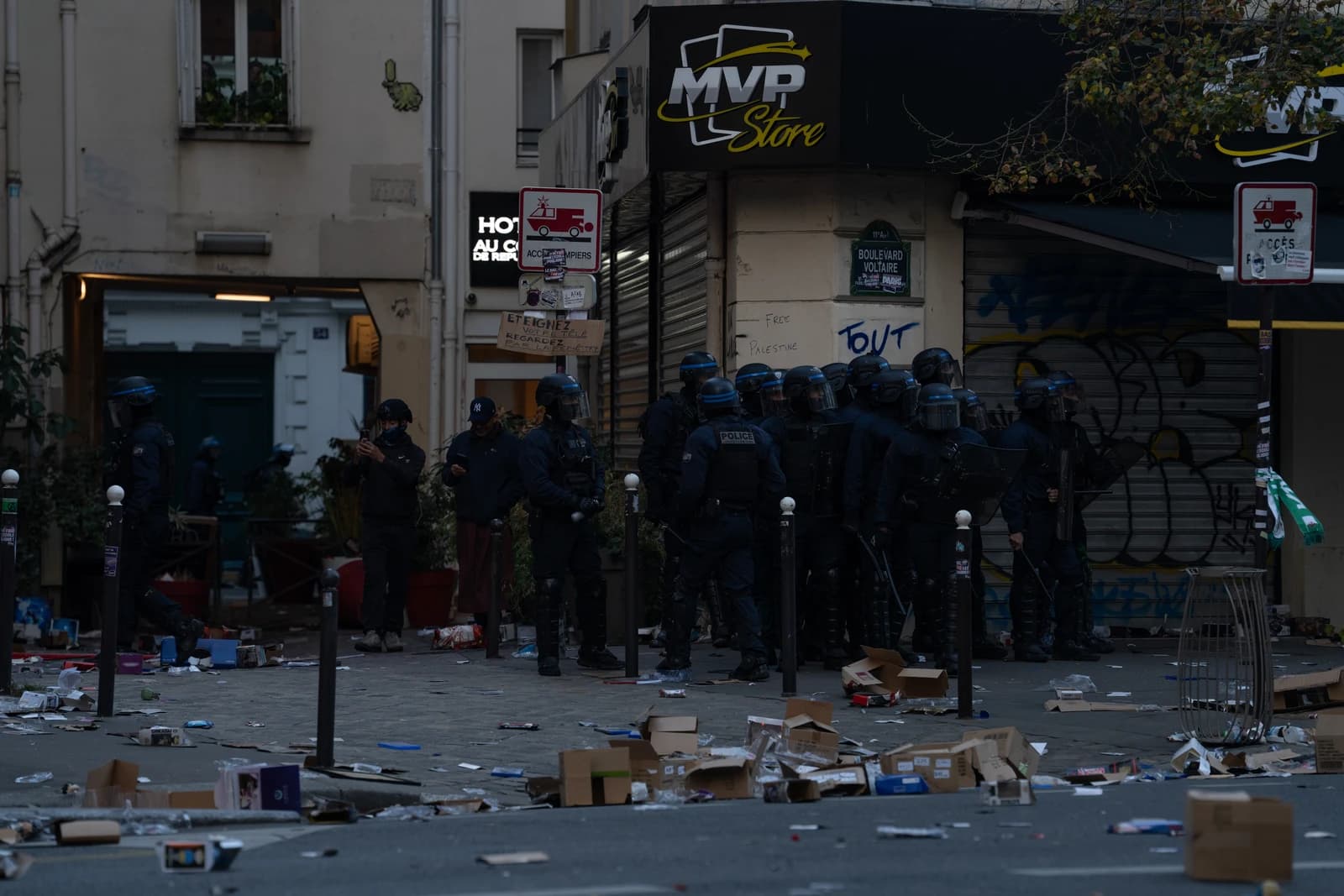
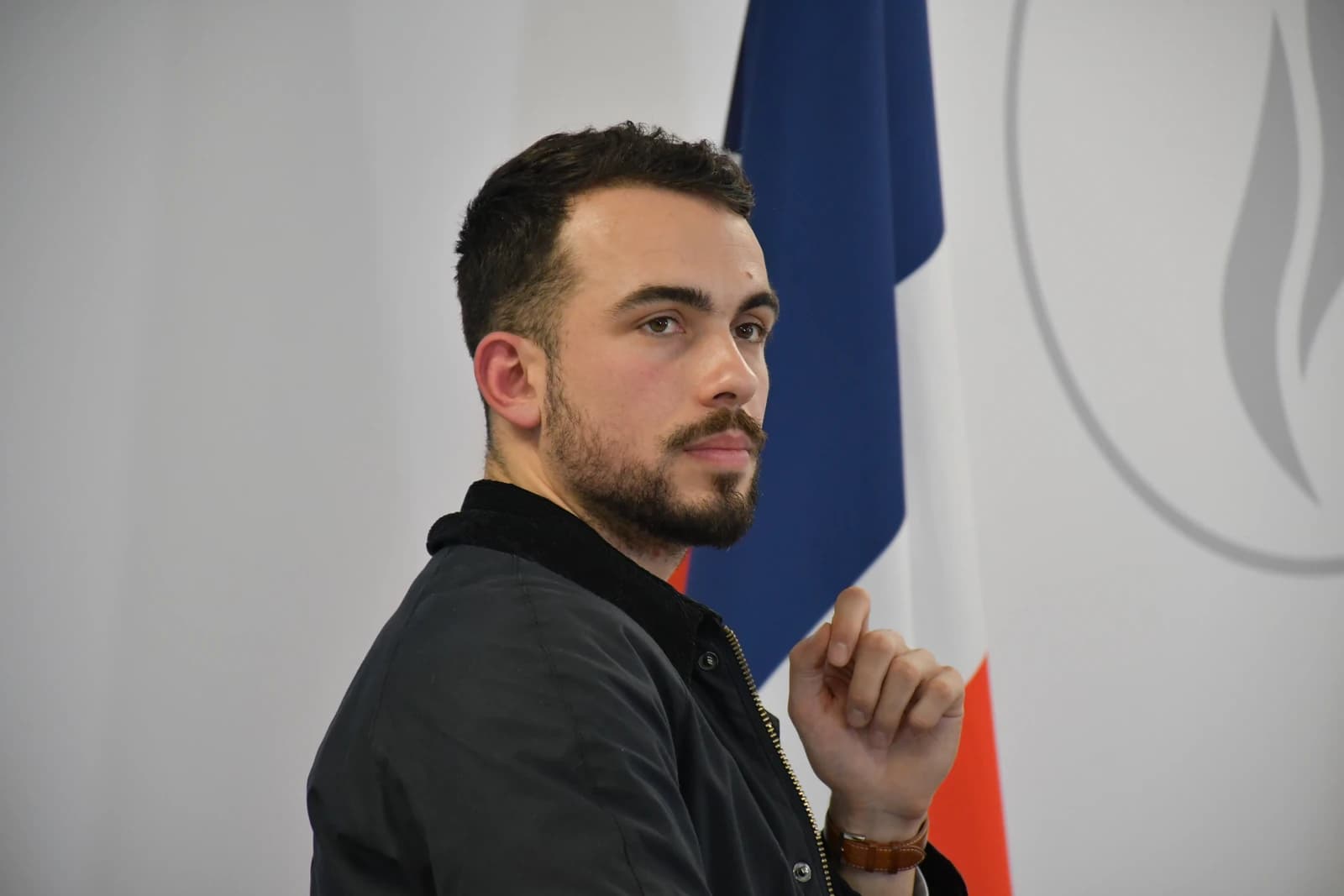
In France, the National Rally has made the clearest move to turn disorder into a governing message. Jordan Bardella called the government "powerless" after riots and looting hit cities including Paris, Marseille and Lyon, while Marine Le Pen said the state was "collapsing" and had lost control amid what she described as migration, fiscal and security chaos.
Le Pen, who leads polls for the presidency, is avoiding overtly racial framing and instead pitching the unrest as a broader failure of the French state and its policies. That approach is aimed at widening the party's appeal beyond its traditional base, and it fits a wider European pattern in which far-right leaders are trying to convert public frustration into a law-and-order mandate.
In Germany, the Alternative for Germany is using French violence as a warning sign, even though the country itself has not seen comparable mass unrest. Co-leader Alice Weidel linked the riots to migration and left-wing extremism, while the party also presses for restored energy ties with Russia as high utility prices keep pressure on households and industry.
Inflation remains a political tailwind for populists. German consumer prices jumped in September to the highest level in nearly three years, while energy inflation hit 14.9%, reinforcing the argument that mainstream governments have failed to protect living standards. A separate survey this month showed the cost of living was still Germans' top concern for a fifth straight year.
The same playbook is appearing elsewhere. In Portugal, far-right politicians blamed migration for the housing crisis. In Spain, Vox tried to tie housing shortages and the protests that followed an 87-year-old woman's eviction to immigration. In Belgium, Vlaams Belang branded street violence "imported" and blamed open borders and failed integration.
Italy stands out as the exception because Giorgia Meloni already leads a far-right government and cannot campaign against the system in the same way. Instead, she is widening her own law-and-order message, portraying rioters as extremists as she seeks to consolidate support.
For investors, the immediate issue is not just election risk but policy drift. Rising support for nationalist parties can make Europe less predictable on migration, fiscal policy, energy strategy and relations with Russia, while prolonged unrest can weigh on consumer confidence and business activity in economies already strained by weak growth and stubborn inflation.
The political payoff for the far right will depend on whether protests intensify and whether mainstream leaders can contain the economic grievances driving them. If living-cost pressure stays elevated into next year's elections, Europe's anti-establishment parties are likely to keep treating the streets as their most effective campaign stage.
| Entity | Gains | Losses |
|---|---|---|
| Far-right parties | ▲Stronger law-and-order message | ▼Less room for centrists |
| Centrist governments | ▲Public order debate leverage | ▼Credibility on living costs |
| Protesters | ▲Attention to housing/inflation grievances | ▼Risk of crackdown |
| European markets | ▲Potential reform pressure | ▼Policy uncertainty, volatility |