Serbia’s snap parliamentary election is shaping up as the most serious challenge to President Aleksandar Vučić in more than a decade, with record-high turnout, widespread reports of pressure at polling stations and anger over inflation and fuel prices all converging into a volatile political test.
Serbia election turnout rises as Vučić faces challenge
By early evening, 64.89% of registered voters had cast ballots, well above the 51.93% seen at the same point in 2023, as long lines formed across Belgrade, Novi Sad and other cities. The surge in participation underscores how deeply the vote has become a referendum on the ruling bloc’s handling of the economy, institutions and public trust.
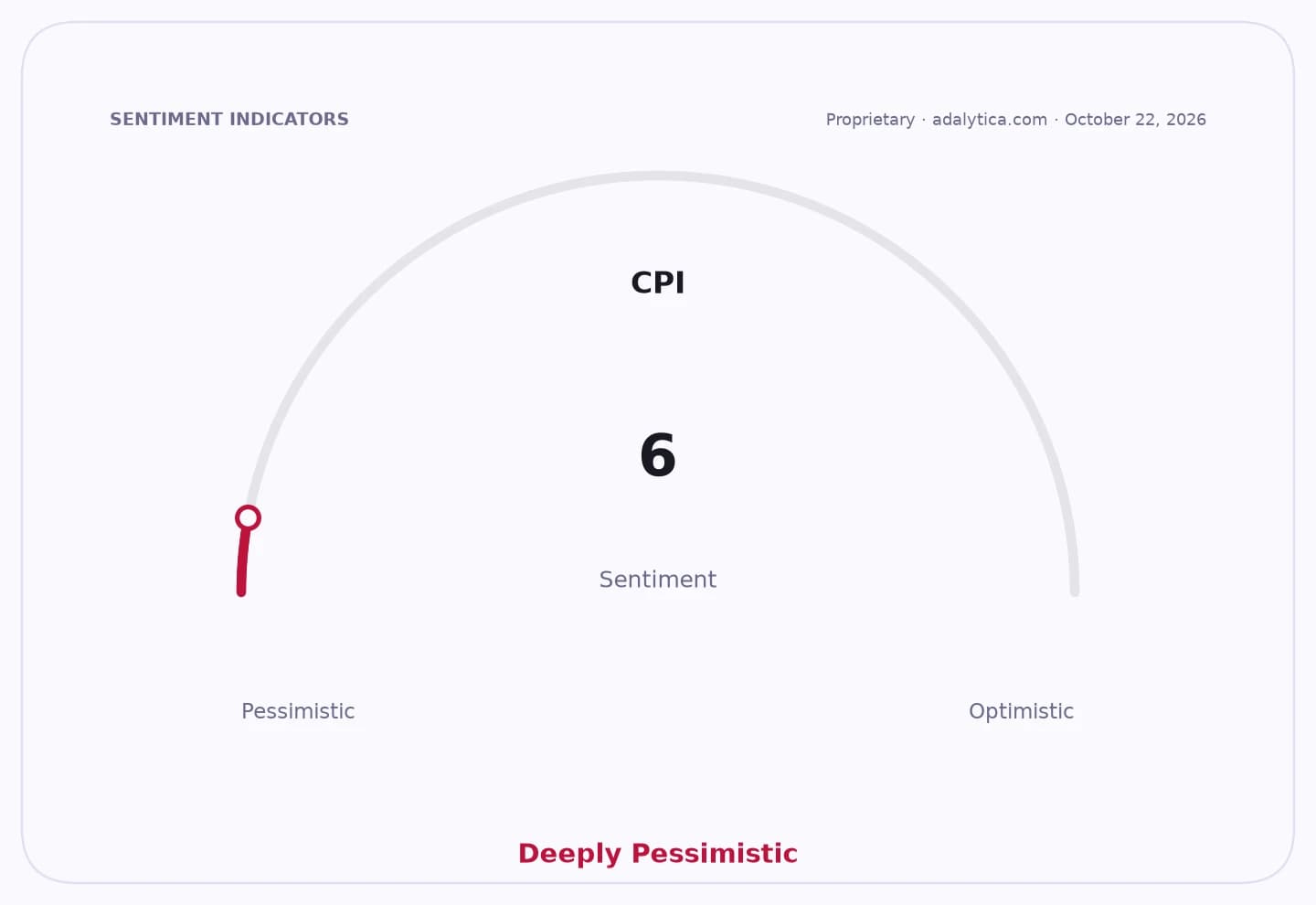
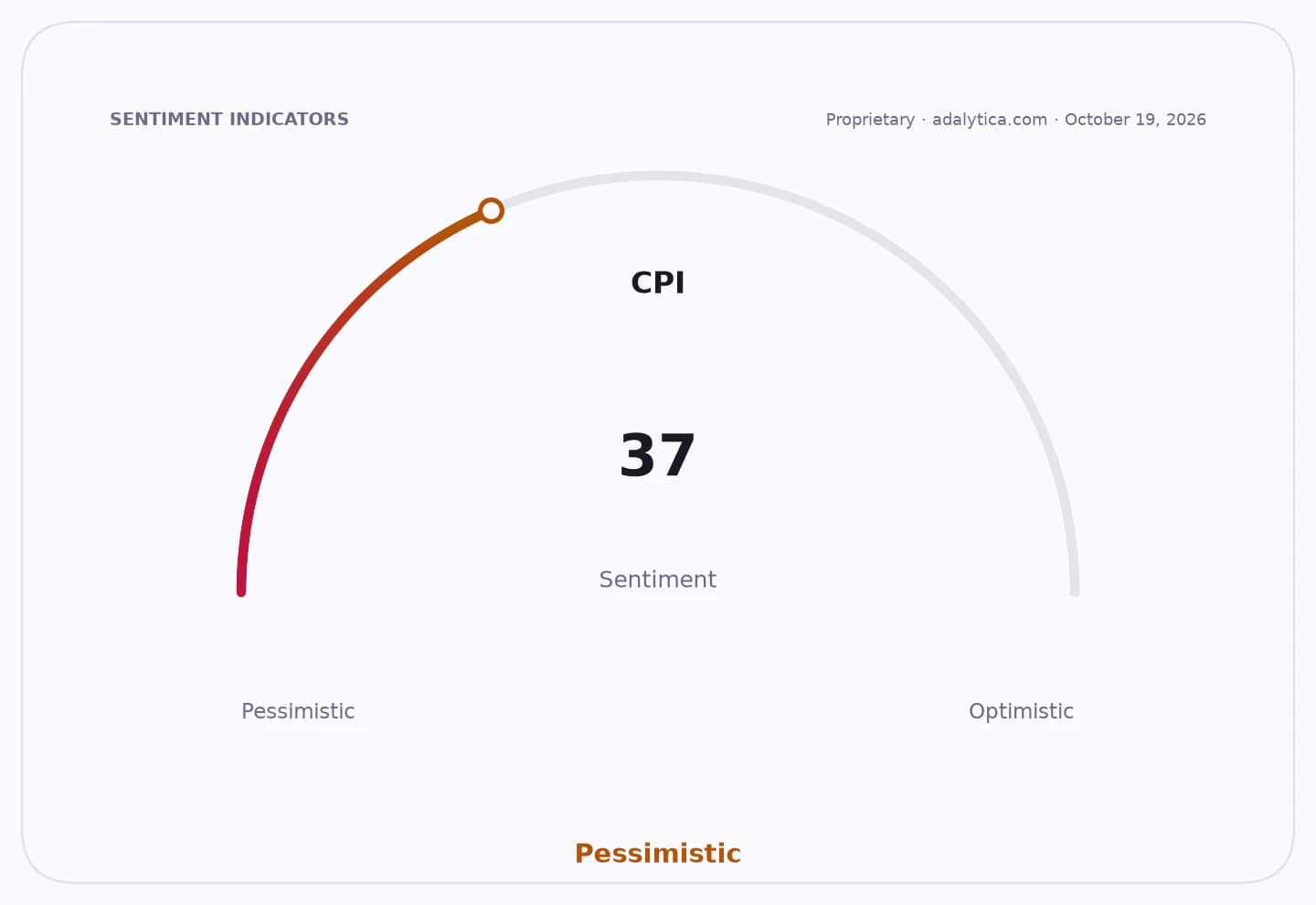
Sentiment Indicators
For investors, the stakes are not just political. A cleaner, more stable result could improve Serbia’s path toward the European Union and reduce policy uncertainty in a country that has lagged regional peers, while a disputed outcome could prolong street tensions, weigh on confidence and keep pressure on the dinar, borrowing costs and capital inflows.
The campaign has been dominated by inflation grievances and the cost of living, with fuel prices edging toward 2 euros a liter and waste imports becoming another symbol of public frustration. That mix has sharpened the backlash against the government at a time when households are already squeezed and businesses are dealing with higher input costs.
The election is also unfolding under a cloud of irregularity allegations. Serbia’s election commission said voting largely proceeded smoothly, but monitoring groups reported more than 120 irregularities at 750 polling stations by 11 a.m., including breaches of ballot secrecy, mobile phone use and group voting. Multiple incidents were reported during the day, including attacks on journalists and opposition supporters.
The political risk is heightened by the fragmented field and by the emergence of a student-backed list that has become the most credible challenger to Vučić’s camp. Market participants will be watching not only the preliminary result due later Sunday, but also whether the losing side accepts it, because the next few sessions may bring the real test for Serbian assets.
If the vote produces a stable mandate and eases tensions with Brussels, it could help Serbia attract investment and support a more constructive macro backdrop. If it ends in a contested count or prolonged protests, the country’s inflation fight and financing outlook will stay under pressure.
| Entity | Gains | Losses |
|---|---|---|
| Students’ list | ▲Protest momentum | ▼If turnout fades |
| Vučić’s bloc | ▲If it holds power | ▼If result is disputed |
| Serbian consumers | ▲If policy stabilizes | ▼If inflation persists |
| Investors in Serbia | ▲Clear mandate, EU progress | ▼Protests, policy uncertainty |