Hungary’s inflation has fallen from one of the European Union’s worst readings to one of its best in just a year, a dramatic shift that matters for households, businesses and investors alike.
Hungary inflation falls to 1.6% in September
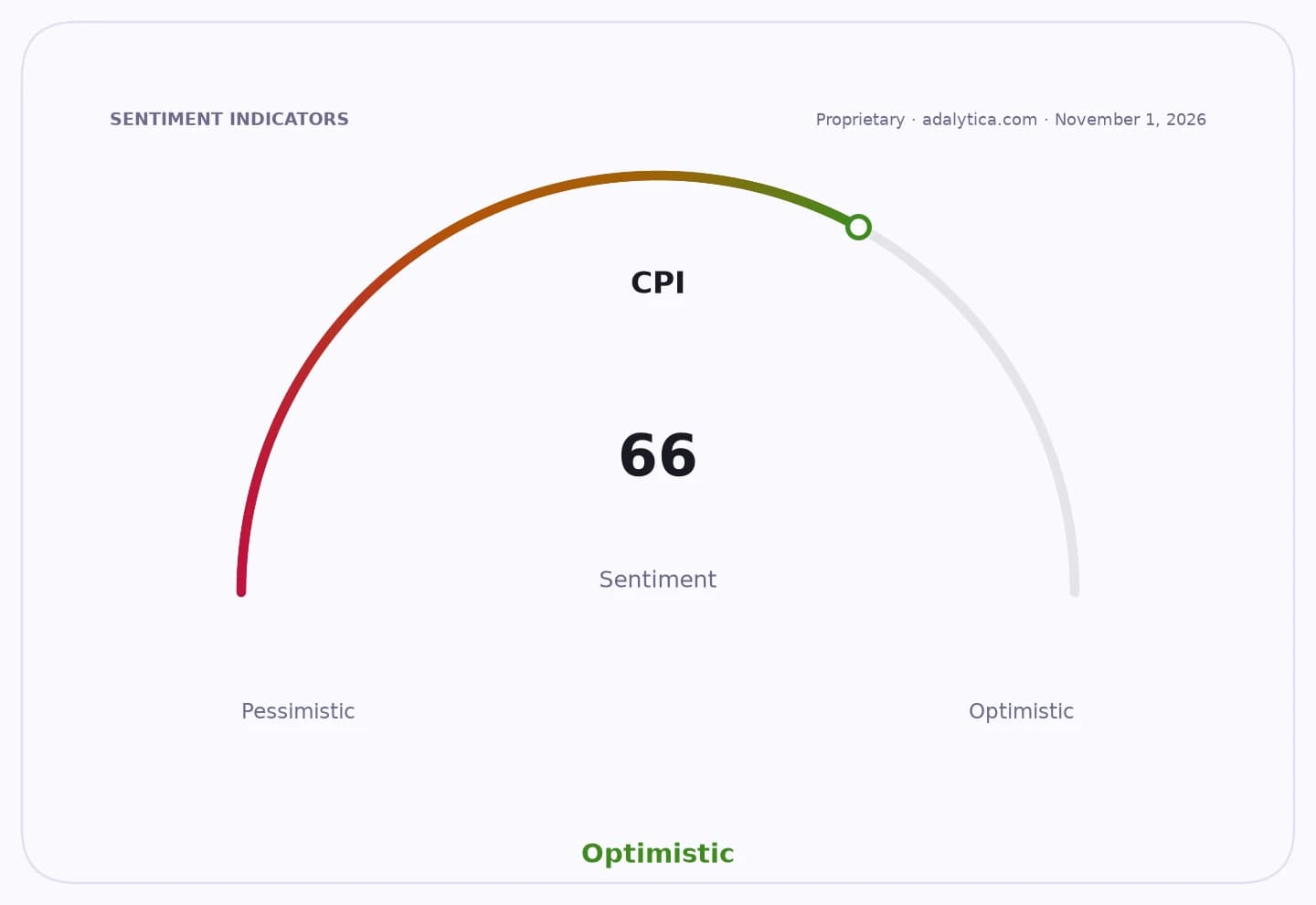
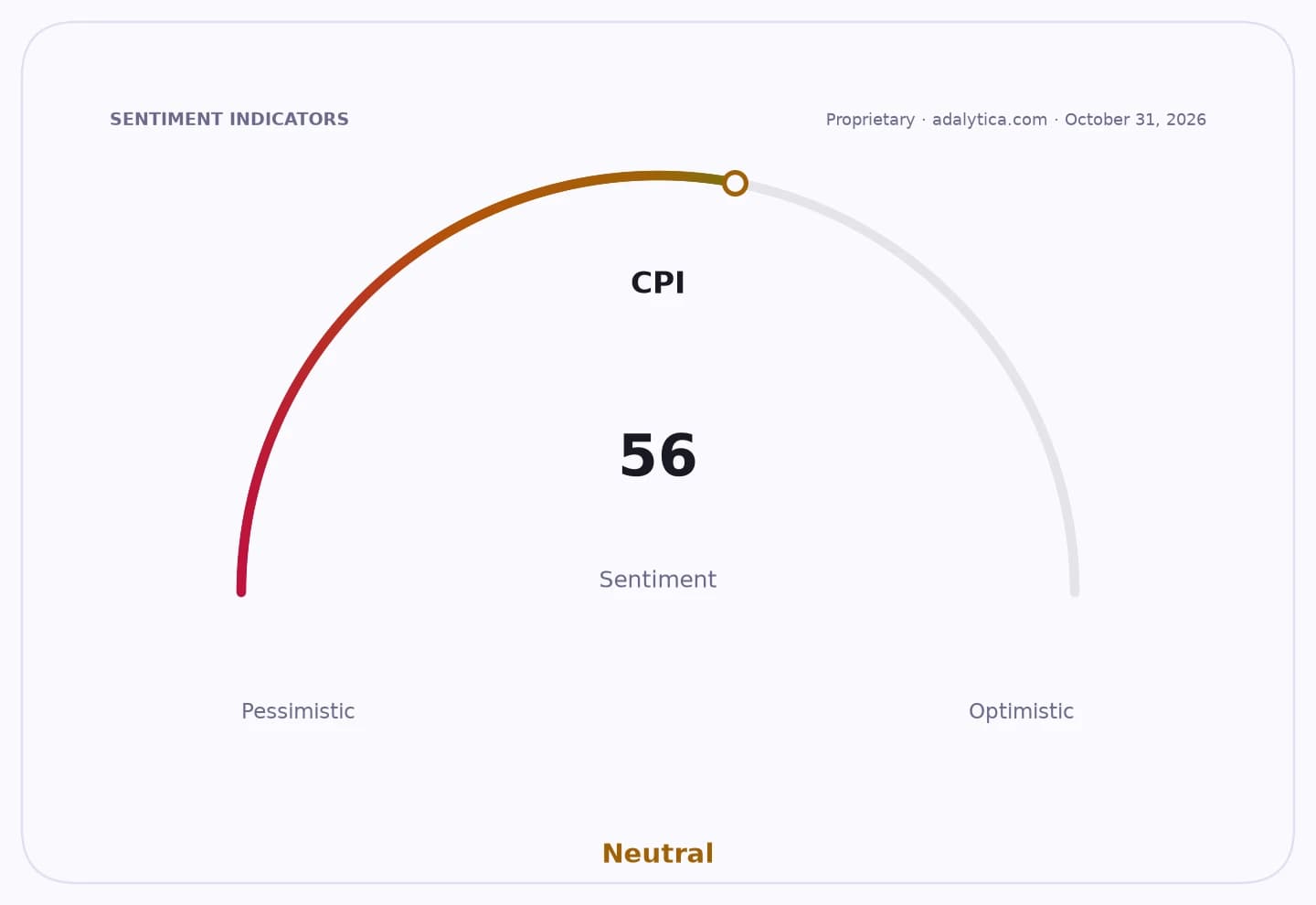
The country’s consumer price index eased to 1.6% in September, according to the latest data cited by Economy and Energy Minister Kapitány István, placing Hungary on the second-lowest rung in the EU and level with Denmark, with only Sweden posting a lower rate. A year earlier, Hungary was among the bloc’s highest inflation economies. That reversal is economically important because inflation is the tax no one votes for: when it comes down, real wages, consumer confidence and corporate planning all improve.
Sentiment Indicators
For families and retirees, the change means basic expenses are becoming more predictable. For companies, it reduces the need to constantly reprice products, renegotiate contracts or build inflation buffers into investment plans. That is the kind of environment investors should care about because stability tends to support longer planning horizons, cleaner earnings visibility and, eventually, better capital allocation.
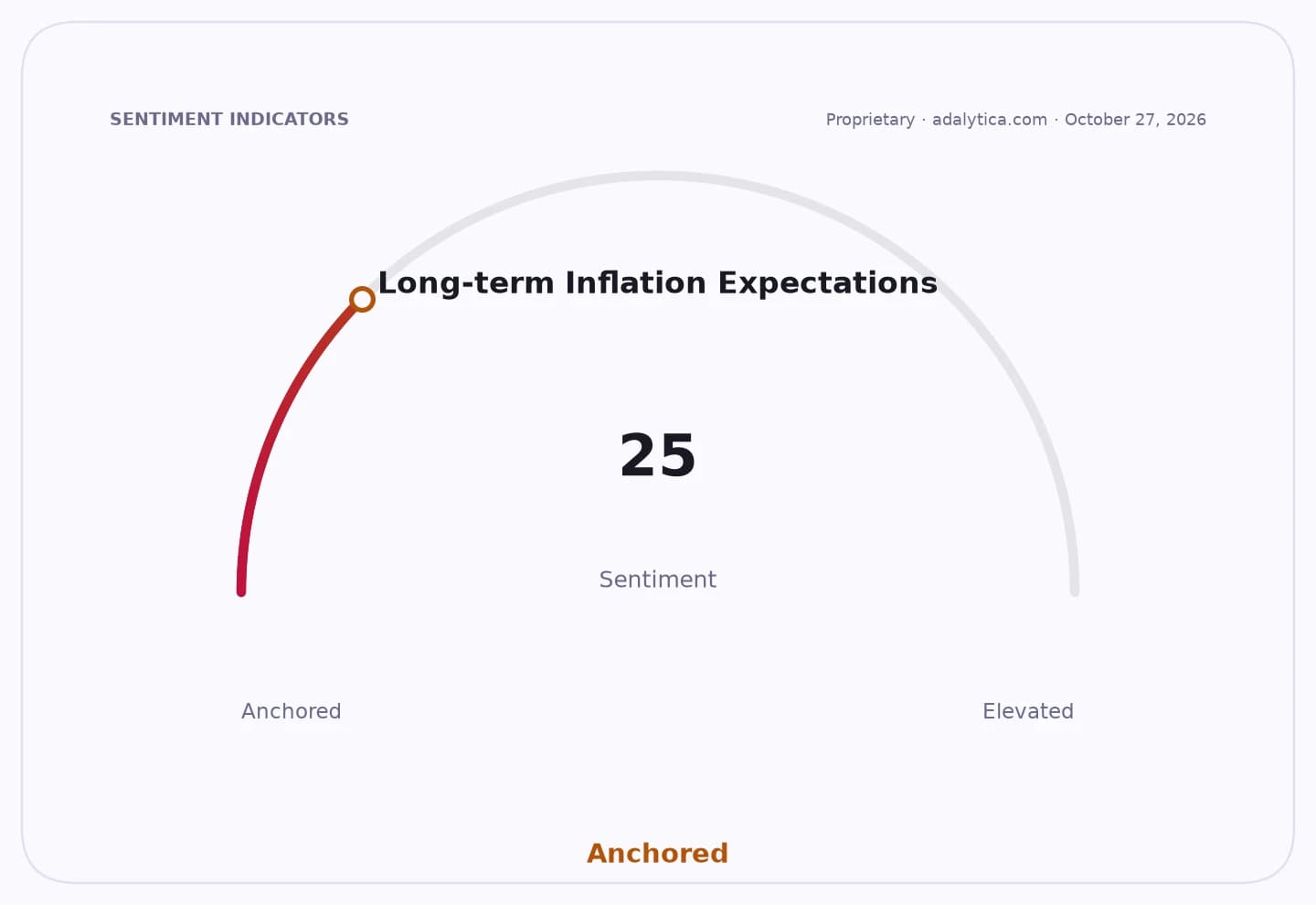
Kapitány said the government wants to preserve the current price level and keep stability in place, arguing that the goal is to make the improvement lasting rather than a one-off success. That distinction matters. A temporary disinflation burst can fade quickly if wage growth, energy prices or food costs reaccelerate. A durable slowdown, by contrast, can anchor expectations and make it easier for the central bank to maintain a more supportive policy setting.
The broader European backdrop reinforces the importance of Hungary’s move. Inflation has been picking up again in parts of the bloc, so Hungary’s drop stands out not just as a domestic victory but as a relative competitiveness gain. Lower and steadier inflation can help attract investment, support domestic demand and reduce the risk premium investors demand for holding local assets.
That does not mean the story is finished. Inflation can turn quickly if food prices, energy costs or fiscal pressures reverse the trend. But for now, Hungary has done what many emerging and developed economies have struggled to achieve: move from the inflation trouble list to the stability table.
For long-term investors, that makes Hungary worth watching, not because the story is over, but because lower inflation is often the first building block for stronger equity returns, more credible policy and a better operating environment over the next three to five years.
| Entity | Gains | Losses |
|---|---|---|
| Hungarian households | ▲Predictable living costs | ▼Inflation-linked spending pressure |
| Hungarian businesses | ▲Better planning visibility | ▼Repricing and margin stress |
| Investors in Hungarian assets | ▲Lower policy and inflation risk | ▼Inflation hedge demand |
| High-inflation economies | ▲— | ▼Relative competitiveness vs. Hungary |