A single European Central Bank rate is now trying to pin down three very different inflation realities across the euro area, and that mismatch matters for the next phase of monetary policy, wages and investor positioning.
ECB rate faces mixed eurozone inflation

The ECB’s deposit rate at 2.50% may be uniform, but September inflation was 2.7% in Finland, 3.3% in Germany and 6.1% in Lithuania, according to Eurostat. That spread is not a statistical curiosity. It shows how one policy setting can be either too restrictive for weak economies, only about right for the core, or still far too loose for countries where energy and domestic price pressures remain intense.
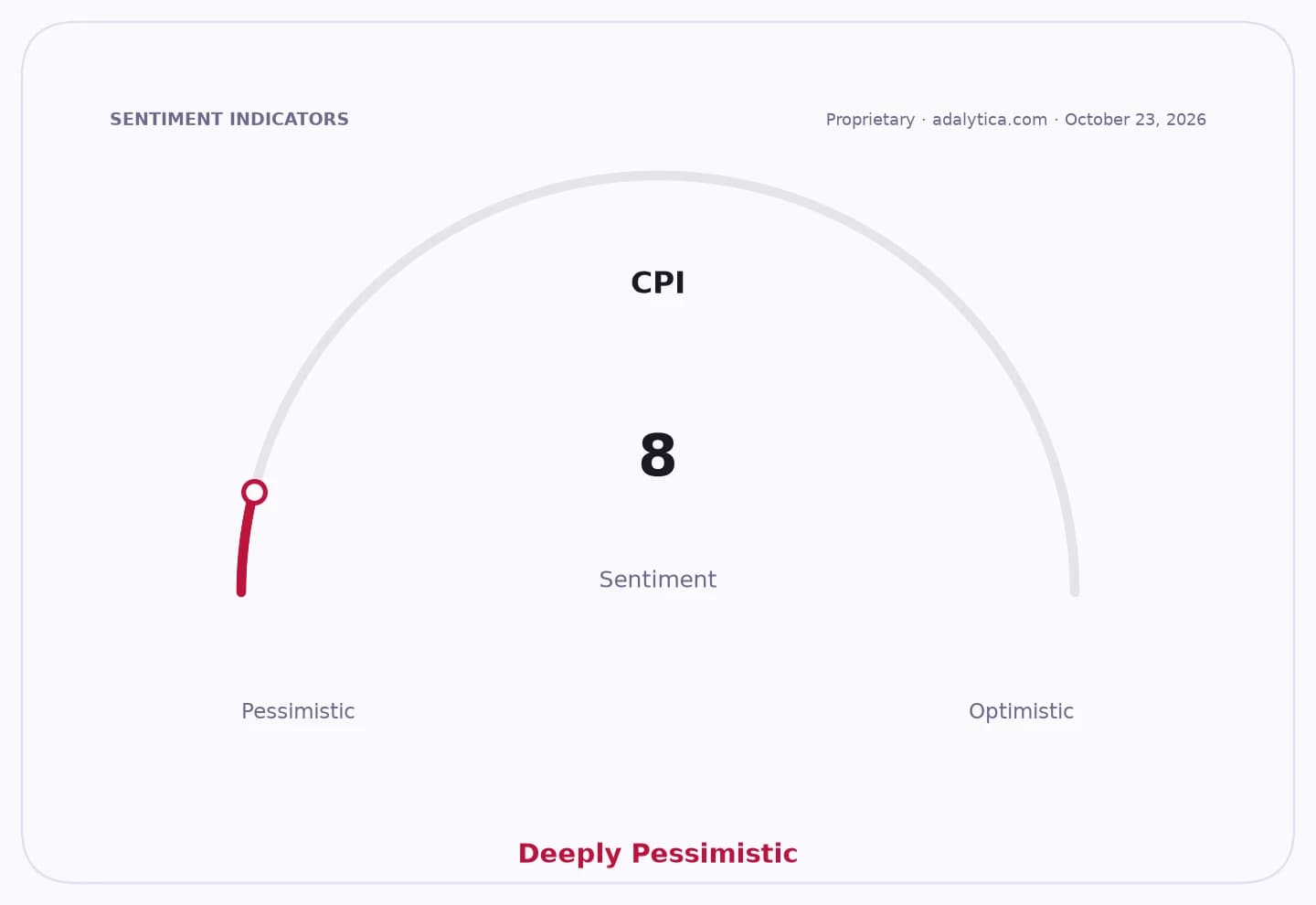
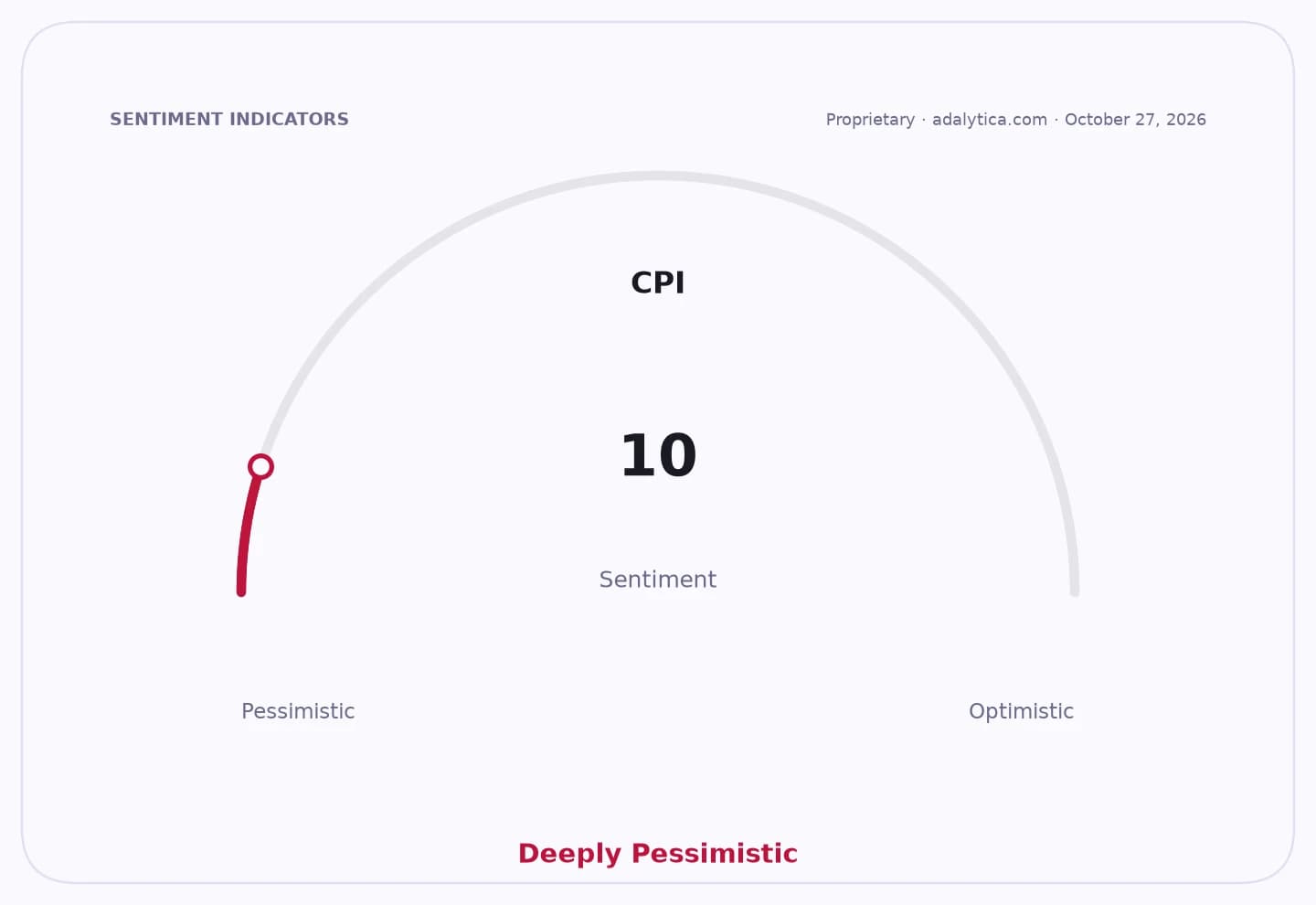
Sentiment IndicatorsⓘProprietary · adalytica.com · October 28, 2026
This is a snapshot — live sentiment, awareness and momentum for 130+ markets update continuously in the dashboard.Open AlphaPulse
For investors, that’s the kind of divergence that keeps eurozone policy unsettled. It also helps explain why European assets rarely move as one block for long. A common currency does not erase local inflation shocks, and those shocks feed directly into real rates, wage bargaining and the case for further ECB tightening.
Energy is the common thread, but the impact is anything but common. Euro area energy prices jumped 18.9% in September, adding 1.71 percentage points to headline inflation, while inflation excluding energy would have been just 2.3%. In other words, nearly half the bloc’s inflation reading came from a single source. That is a macro problem, but it is also a market one, because energy-driven inflation tends to fade unevenly and can reverse quickly — making policy timing harder to judge.
Lithuania is the clearest example of how inflation can stay sticky even when the shock begins in energy. Energy prices there surged 33.0%, services inflation hit 6.9% and the government’s higher VAT on heating-related goods added to the squeeze. The result is a country where inflation sits well above the eurozone average even as the ECB’s rate is fixed by decisions made for the whole currency union. That is painful for households and potentially corrosive for consumer spending, but it is also a reminder that rate hikes cannot undo tax changes or cut imported fuel costs.
Finland tells the opposite story. Its inflation rate was only 2.7%, helped by lower electricity costs and a relatively low dependence on fossil fuels. Core inflation was just 1.4% and services inflation 1.7%, while growth remains weak and unemployment is expected to stay high. For Finnish borrowers and companies, the ECB’s stance can look unnecessarily tight. For equity investors, that matters because weak domestic demand tends to cap pricing power and earnings growth, even when headline inflation is no longer the main worry.
Germany sits in the middle, but its details matter because it is the eurozone’s biggest economy. German inflation was 3.3%, with fuel and heating costs doing most of the damage. That leaves policymakers in Frankfurt with a difficult balancing act: the ECB can point to still-elevated prices, but much of the latest jump was driven by energy items and national tax changes rather than broad-based demand. Germany’s wage growth is more moderate than in Lithuania, which reduces the risk of a wage-price spiral, yet it does not remove the pressure on consumer sentiment or real spending power.
This is why the ECB’s policy path is unlikely to feel clean or linear. A rate that is mildly restrictive in Germany may be too tight for Finland and still too accommodative in Lithuania. The simple arithmetic of “headline inflation minus policy rate” yields very different real-rate readings across the bloc, but even that does not capture the full picture because households and firms respond to expected inflation, not just current readings, and financing conditions vary by country.
For long-term investors, the bigger lesson is that Europe is not one inflation trade. It is a collection of local economies moving through the same shock at different speeds. That favors diversification over big country bets and argues for patience in sectors tied to household demand, rates and energy sensitivity. The euro may be common, but the inflation experience is not — and that gap is exactly what will keep the ECB’s next moves controversial.
| Entity | Gains | Losses |
|---|---|---|
| ECB | ▲Policy flexibility | ▼Clear one-size-fits-all guidance |
| Finland | ▲Lower inflation, weaker pressure | ▼Risks from tighter policy |
| Germany | ▲Moderate core backdrop | ▼Fuel and heating cost squeeze |
| Lithuania | ▲Strong nominal wage growth | ▼Households facing the hardest hit |