Household energy prices in Austria surged 15.1% in September from a year earlier, underscoring how still-tight fuel and heating markets are feeding back into consumer inflation and household budgets.
Austria Energy Prices Rise 15.1% in September
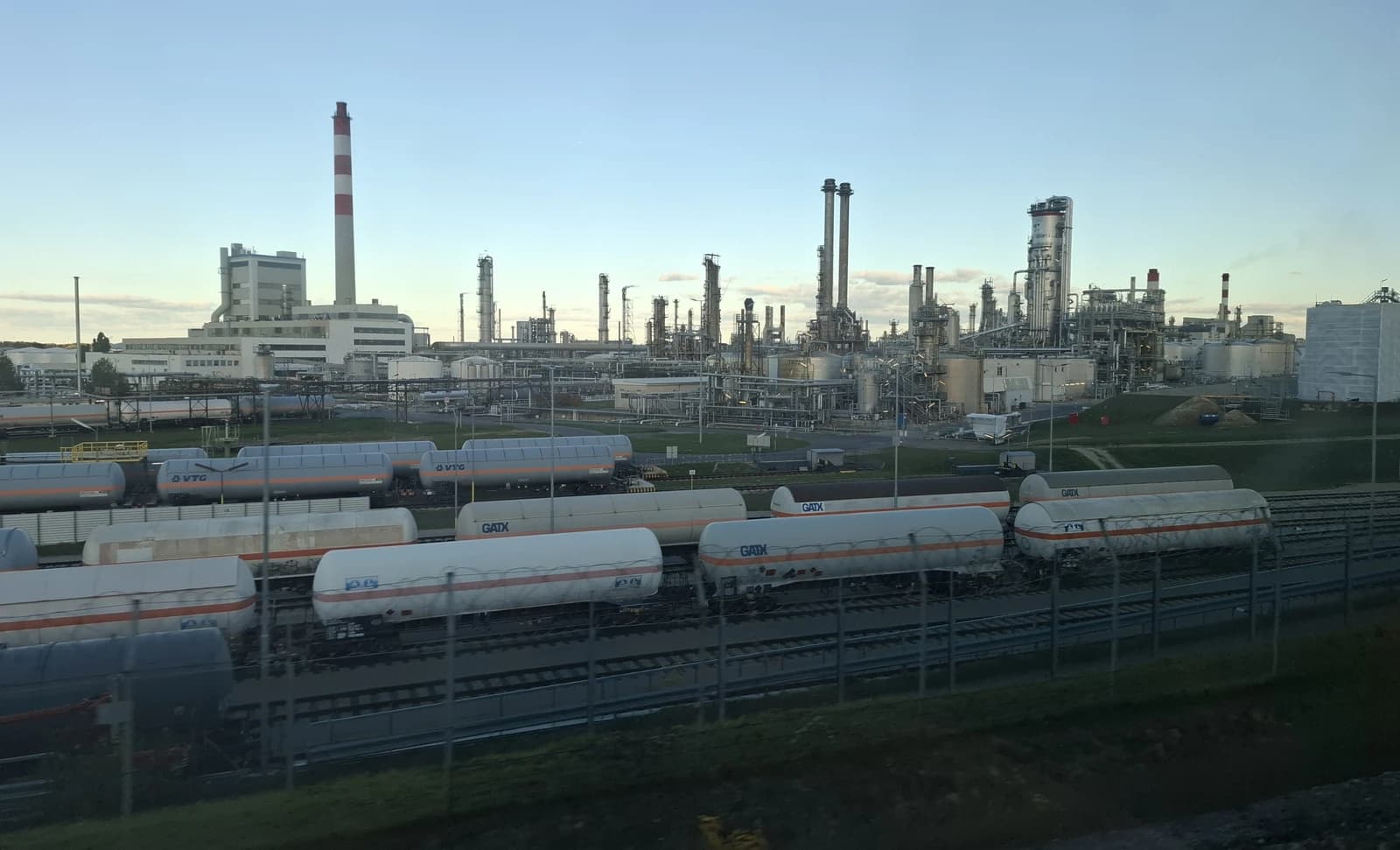
The increase, reported by the Austrian Energy Agency, was well above the country’s 3.6% headline inflation rate and marked a fresh high for household energy costs. On a monthly basis, prices rose 3.9%, with the sharpest gains again coming from fossil fuels: heating oil jumped 10.6% from August and was 63.1% higher than a year earlier, while diesel climbed 6.4% on the month and super gasoline rose 5.6%.
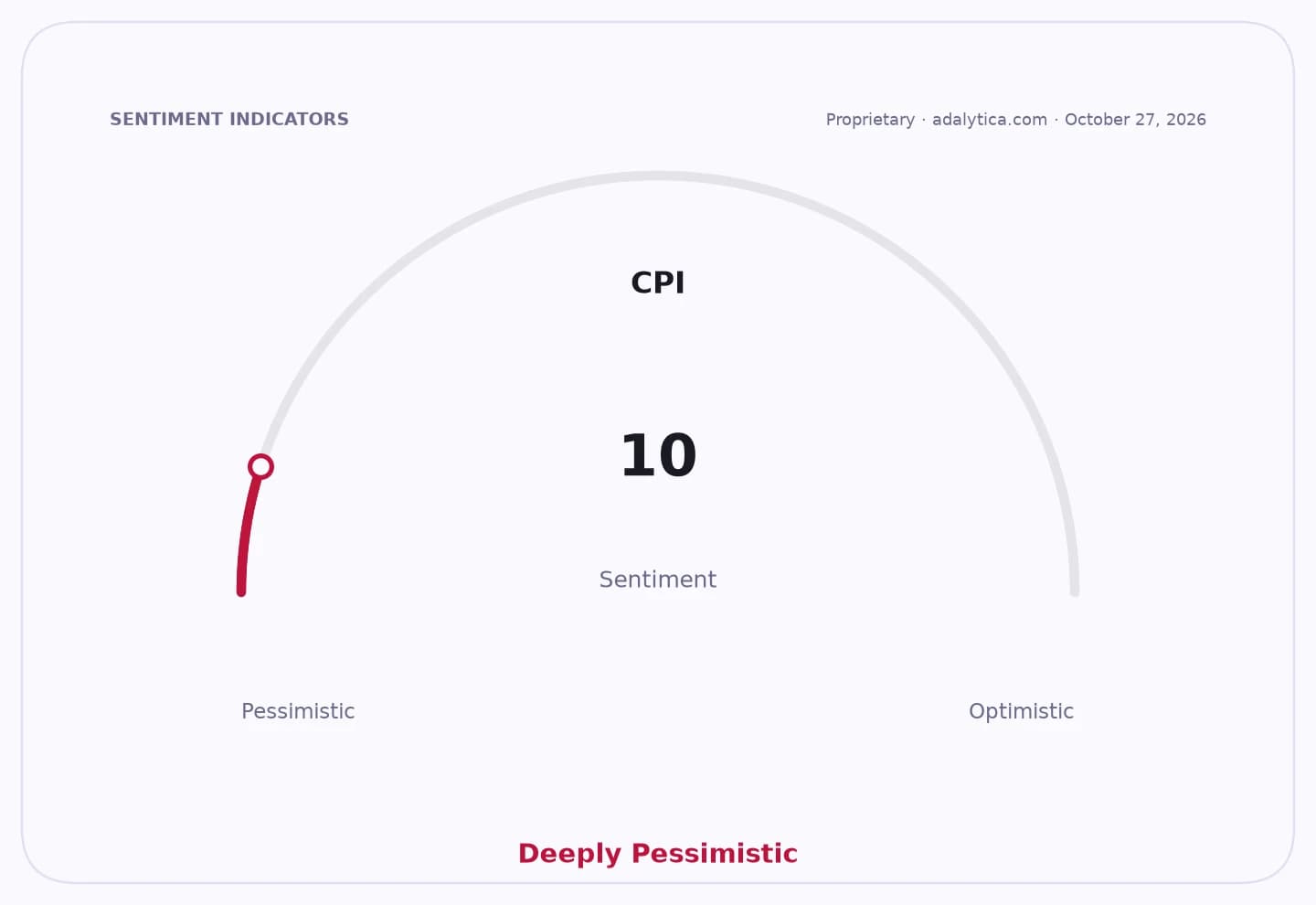
Sentiment IndicatorsⓘProprietary · adalytica.com · October 28, 2026
This is a snapshot — live sentiment, awareness and momentum for 130+ markets update continuously in the dashboard.Open AlphaPulse
That matters economically because energy remains one of the fastest channels through which imported price shocks reach households, businesses and the broader inflation outlook. Even as some components such as electricity were cheaper than a year ago, the weight of transport fuels, heating oil and gas is enough to keep energy inflation elevated. Gas prices rose 2.0% month on month and were 11.8% above last year, while district heating increased 3.2% from August.
For policymakers, the report reinforces the difficulty of getting a clean disinflation trend when energy markets are still vulnerable to supply bottlenecks. The Austrian agency said the latest surge was driven not just by crude oil, but by simultaneous constraints in refinery capacity, transport routes and finished fuels, along with a weaker euro versus a year ago. That combination makes the current episode more sticky than previous oil-led spikes and raises the risk that energy costs keep filtering into broader consumer prices and wage demands.
Investors will read the data as a warning that inflation-sensitive assets may not yet be out of the woods, especially in Europe where energy import dependence remains high. Higher fuel and heating costs can erode household spending power, support short-term inflation prints and complicate the policy path for the European Central Bank. They also create a mixed backdrop for sectors exposed to consumer discretionary demand, while supporting upstream energy producers and refiners if crude and product prices stay elevated.
The latest move also fits a broader European pattern of energy stress. EU leaders have been pressing for collective action to curb high energy prices and protect competitiveness, and the Austrian figures suggest that pressure is still building at the household level. If fuel markets remain tight into the heating season, energy inflation could stay a key source of volatility well beyond September.
| Entity | Gains | Losses |
|---|---|---|
| Energy producers/refiners | ▲Higher product pricing | ▼Limited |
| Austrian households | ▲None | ▼Higher heating and fuel bills |
| Euro-area policymakers | ▲Pressure to act | ▼Harder inflation management |
| Consumer sectors | ▲Some pass-through scope | ▼Weaker real spending power |