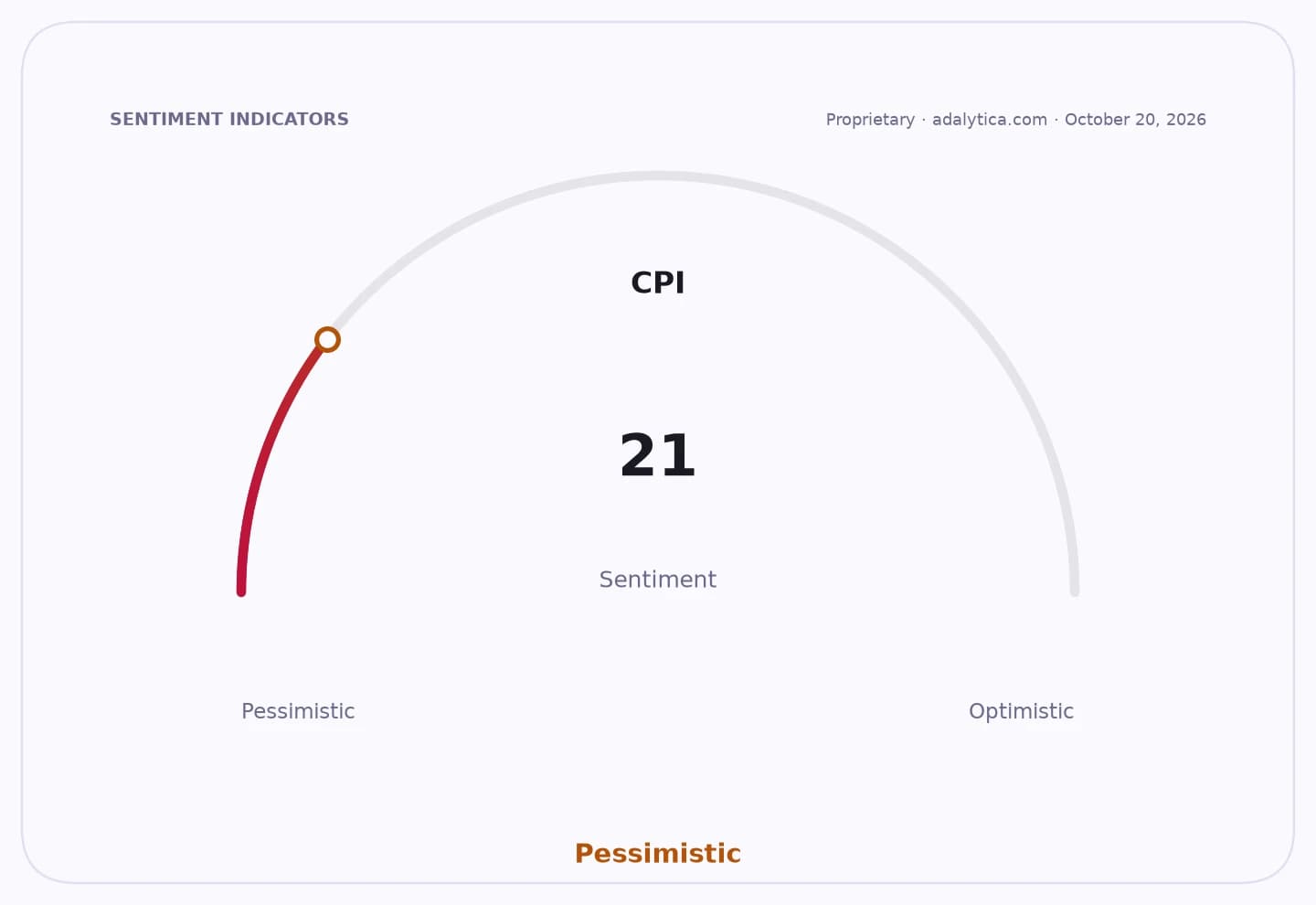
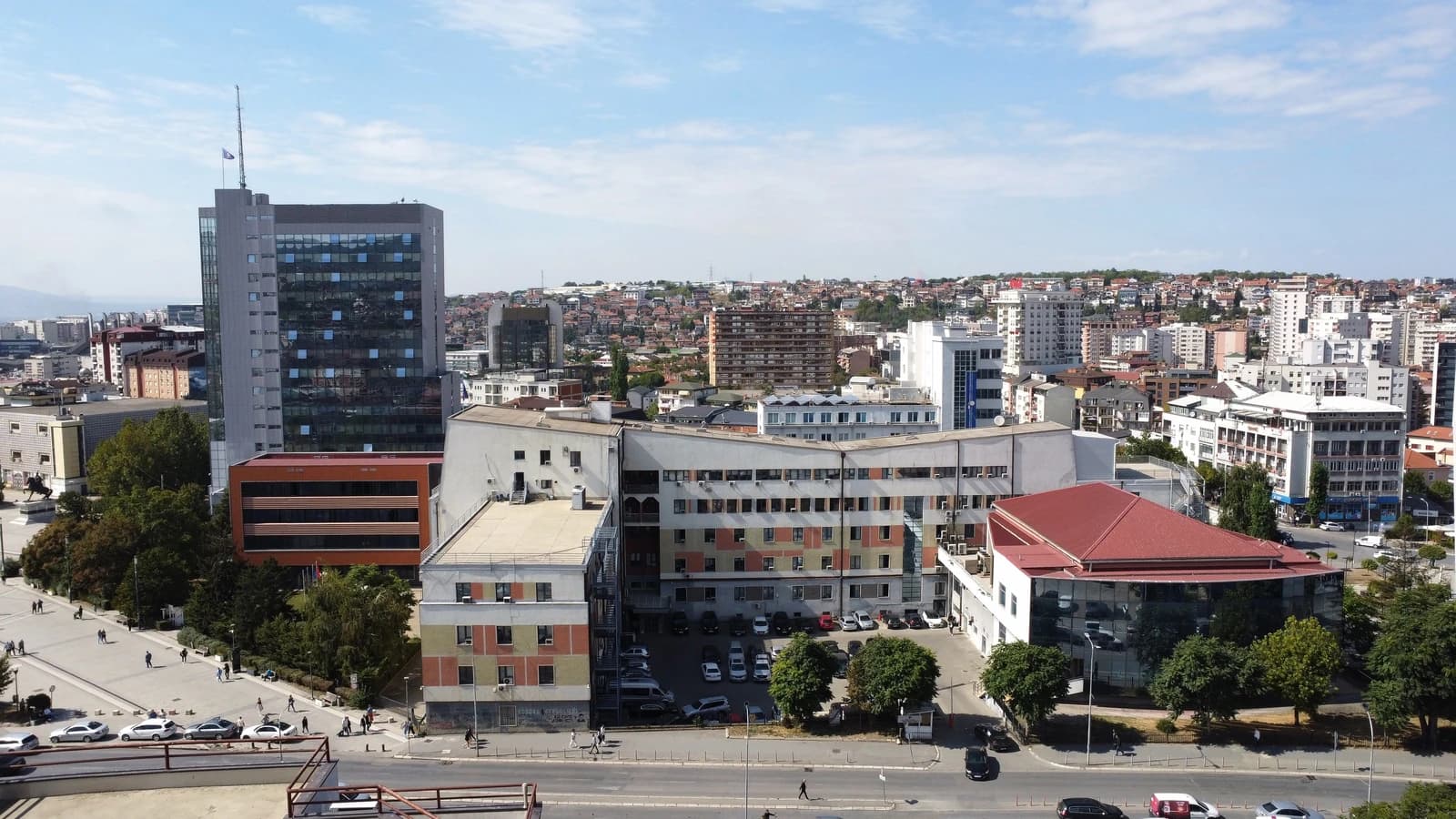
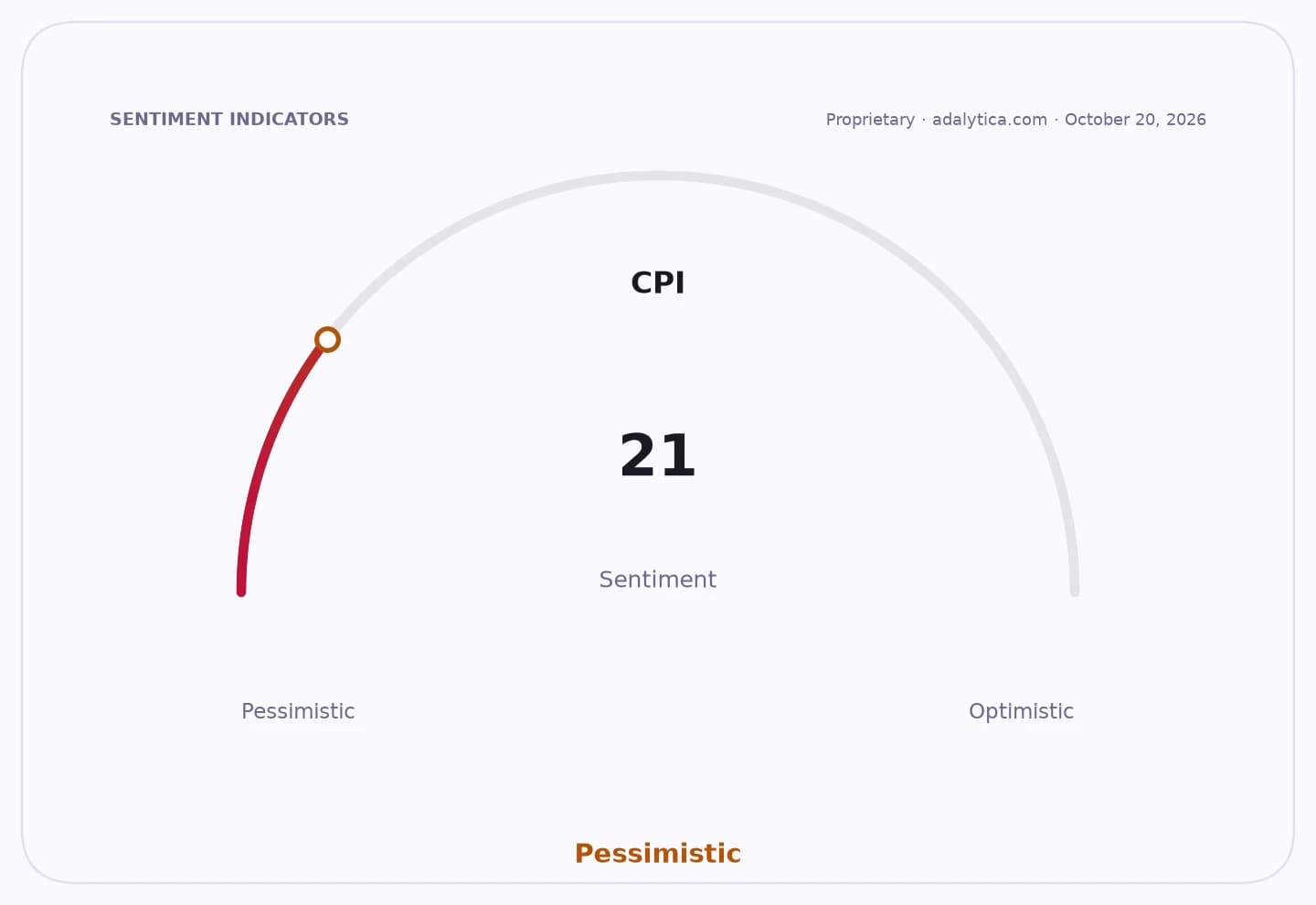
Kosovo’s inflation rate hit 7.8% in September, a sharp reminder that the cost-of-living squeeze is still eroding purchasing power and leaving policymakers under pressure to do more for households.
Kosovo inflation hits 7.8% in September
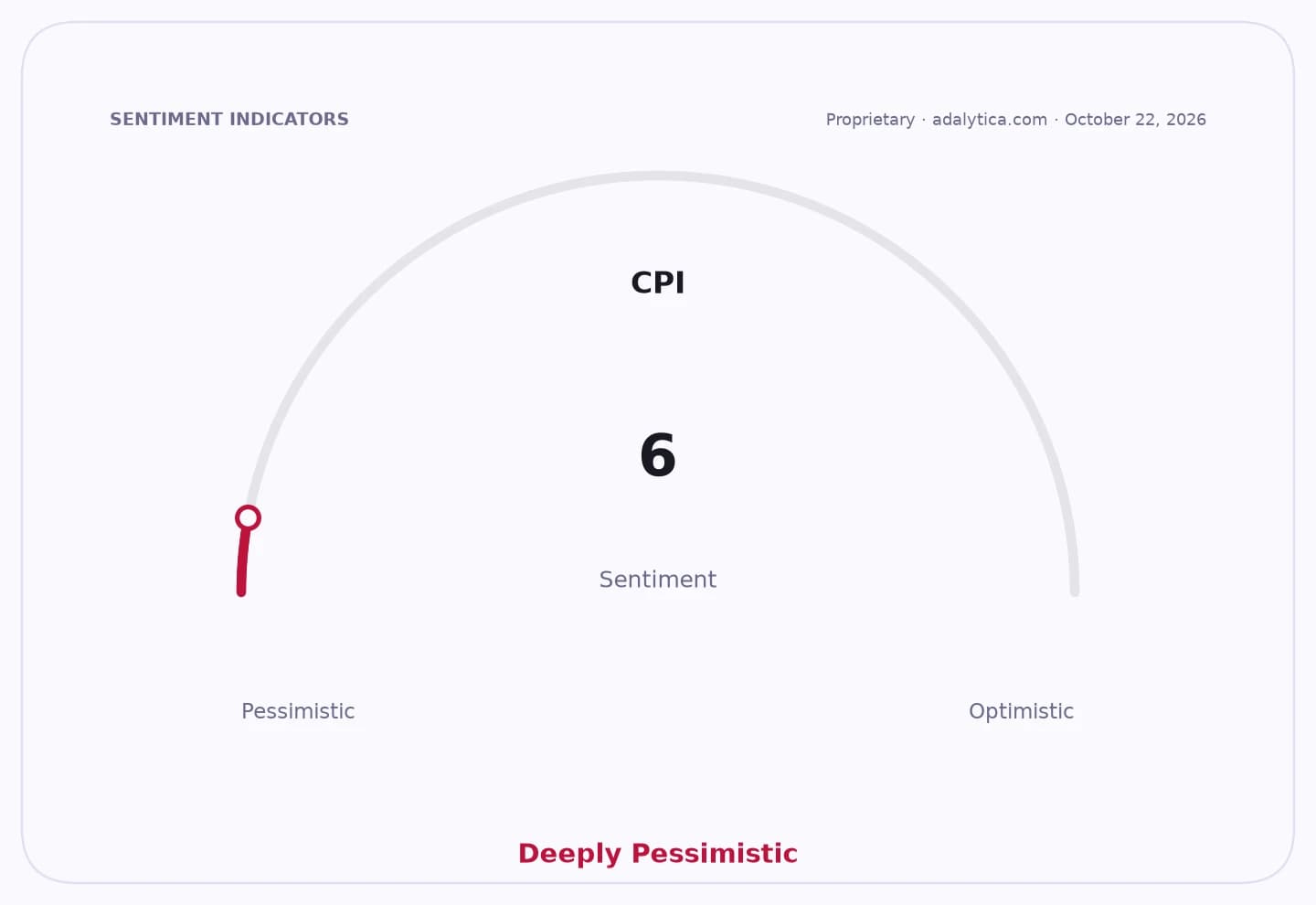
That matters because inflation is not just an abstract statistic in a small, import-dependent economy. When prices jump that far above incomes, families cut back on spending, savings shrink and broader demand weakens. In Kosovo, the biggest price increases came in transport, up 23.9%, and housing, electricity and other fuels, up 11.9%, showing that the pain is spreading through the essentials that people cannot easily avoid.
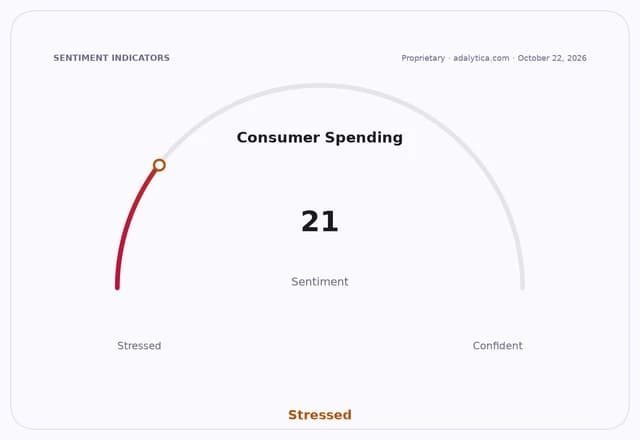
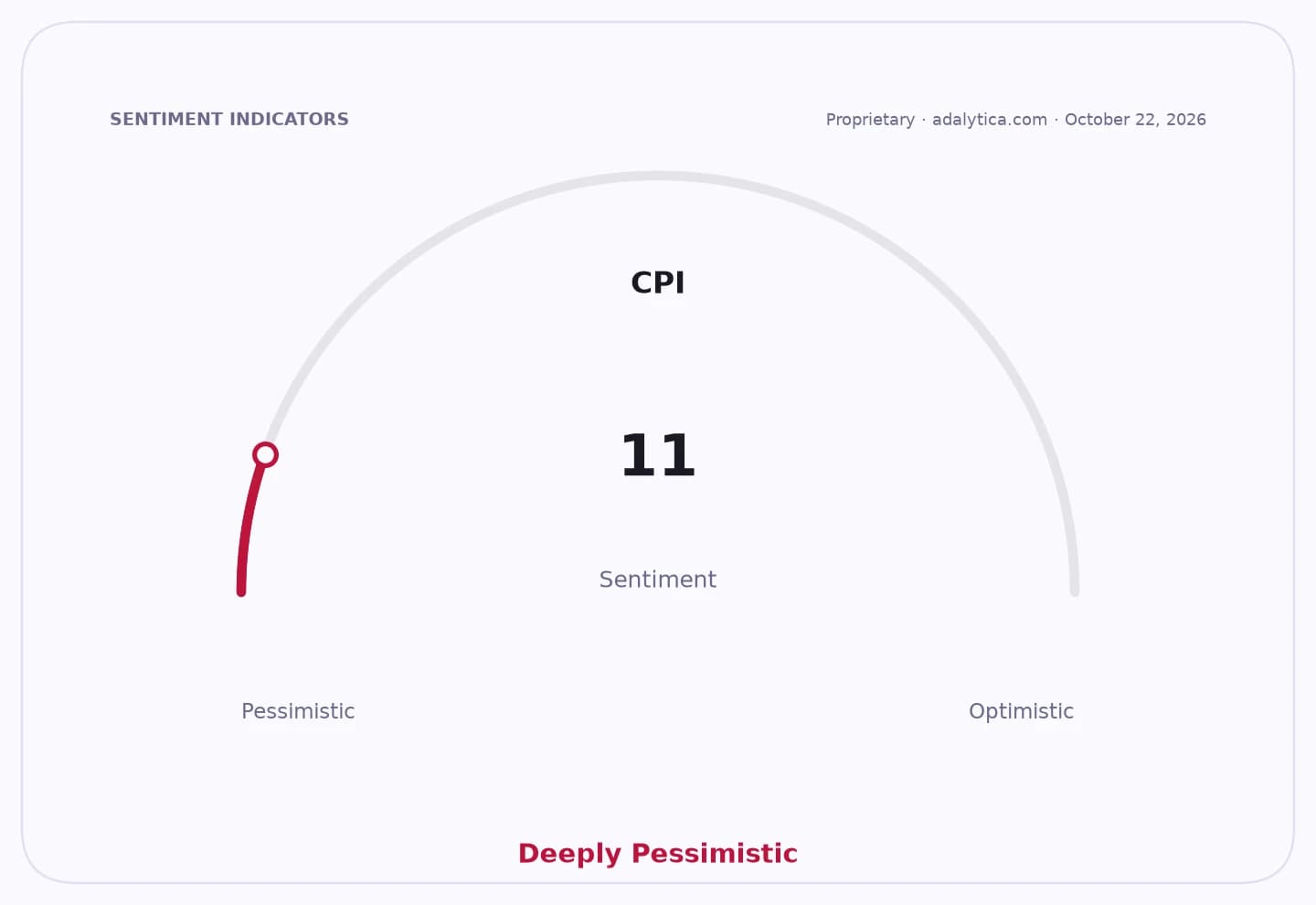
For investors, the message is straightforward: inflation at this level usually means weaker consumer confidence, tighter discretionary spending and a harder operating environment for retailers and other businesses serving local buyers. It also raises the odds that the government will face more pressure to step in with wage, subsidy or welfare measures, even if officials have limited room to maneuver. The result is a tougher backdrop for domestic growth, especially if households are already stretched by import prices and stagnant real wages.
The criticism from economists and consumer advocates is not just political theater. It reflects a deeper concern that Kosovo’s policy response is lagging the economic reality. Shkumbin Misini warned that the trend could keep worsening in coming months, while Arton Muhaxheri said households are losing purchasing power as wages fail to keep up. Selatin Kaçaniku, meanwhile, argued that both government and opposition have ignored consumers for years, allowing poverty to deepen while the wealthy consolidate gains.
That narrative fits a broader economic pattern investors should recognize: in countries with heavy import reliance, inflation can feed on itself. Higher transport and energy costs filter into the rest of the economy, lifting prices for food, services and everyday goods. If that continues, Kosovo faces the classic trap of slower demand, weaker living standards and more political pressure for intervention.
The long-term takeaway is that persistent inflation is not only a household problem; it is a growth problem. Unless policymakers move beyond criticism and deliver measures that protect real incomes, support jobs and reduce dependence on imports, the squeeze on consumers could remain one of the defining economic stories in Kosovo. For long-term investors, that makes resilience, pricing power and balance-sheet strength the traits worth watching.
| Entity | Gains | Losses |
|---|---|---|
| Consumers | ▲None | ▼Purchasing power |
| Government | ▲Policy leverage if it acts | ▼Credibility and public trust |
| Retailers/Local businesses | ▲Some pricing power | ▼Weak demand |
| Import-dependent households | ▲Short-term relief only if subsidies arrive | ▼Higher living costs |