Bulgaria’s inflation climbed to 5.6% in September, making it the second-highest rate in the eurozone and a reminder that the country’s price pressures are still running hotter than its peers.
Bulgaria inflation rises to 5.6% in September
That matters because inflation is not just a statistic for households. It shapes how much consumers can spend, how quickly wages must rise, and how much room policymakers have to support growth. For Bulgaria, a persistently elevated inflation rate also complicates its push to narrow the gap with the rest of the euro area at a time when energy costs and regional instability are feeding through to the economy.
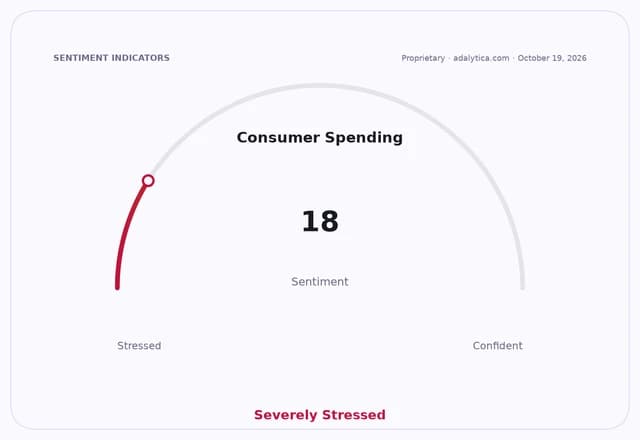
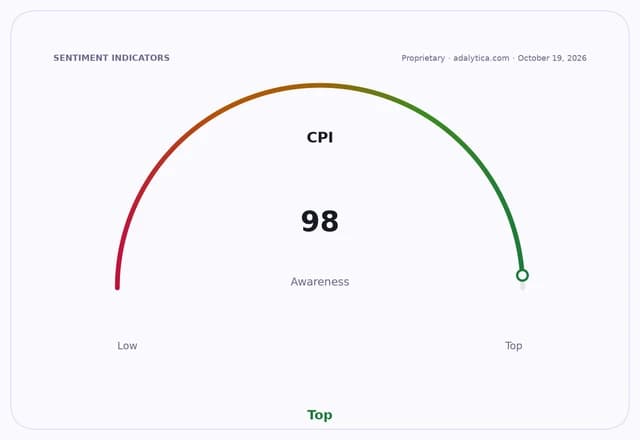
Sentiment IndicatorsⓘProprietary · adalytica.com · October 19, 2026
This is a snapshot — live sentiment, awareness and momentum for 130+ markets update continuously in the dashboard.Open AlphaPulse
Eurostat’s reading, based on the Harmonised Index of Consumer Prices, put Bulgaria behind only Lithuania’s 6.1% among eurozone members. In the wider European Union, Romania topped the chart at 6.5%, while Sweden recorded just 1.0%. Bulgaria’s national statistics office reported 5.7% inflation on its own measure, the small difference reflecting the use of a different price index.
The energy backdrop helps explain why prices are still sticky. Oil has jumped sharply in recent weeks, and fuel costs tend to ripple through transport, food production and heating bills. For businesses such as greenhouse operators and other energy-intensive industries, that can quickly turn into higher operating costs and thinner margins. If those businesses cannot pass the increase on to customers, they are forced to cut output, delay investment or close altogether.
For investors, the message is straightforward: high inflation in a small open economy rarely stays contained. It can weaken consumer demand, pressure corporate earnings and keep interest rates higher for longer than markets would like. That is especially relevant for domestic stocks, lenders and consumer-facing companies that rely on healthy real purchasing power. The latest reading also keeps attention on the European Central Bank, because sticky inflation in parts of the bloc makes it harder to argue for a fast return to easier policy.
The long-term story here is not just about one month’s number. It is about whether Bulgaria can build a more resilient cost base while integrating more deeply with the euro area. Investors who think in years, not weeks, should watch whether inflation starts easing as energy markets stabilize — or whether supply shocks keep forcing prices higher. For now, Bulgaria remains a market where patience and selectivity matter.
| Entity | Gains | Losses |
|---|---|---|
| Energy producers | ▲Higher selling prices | ▼Consumers and fuel-intensive firms |
| Bulgarian exporters | ▲Weaker local cost competitiveness | ▼Domestic importers facing higher bills |
| Banks | ▲Potentially higher loan yields | ▼Borrowers squeezed by rising costs |
| Consumers | ▲None | ▼Real incomes and spending power |