France’s violence, Spain’s housing anger and Brazil’s election-season unrest all point to the same investment theme: households are pushing back against higher living costs, tighter public finances and political systems that look increasingly unable to absorb the shock.
Brazil, France and Spain Protest Pressure Markets

That matters economically because protests are no longer just a law-and-order problem. They are a signal that inflation, rent burdens, fuel costs and budget cuts are colliding with weaker social tolerance for austerity. In Europe, that pressure is already forcing governments to defend spending priorities and reconsider how aggressively they can cut. In Brazil, it is feeding directly into the electoral debate over public education and the future of Lula’s policy agenda.
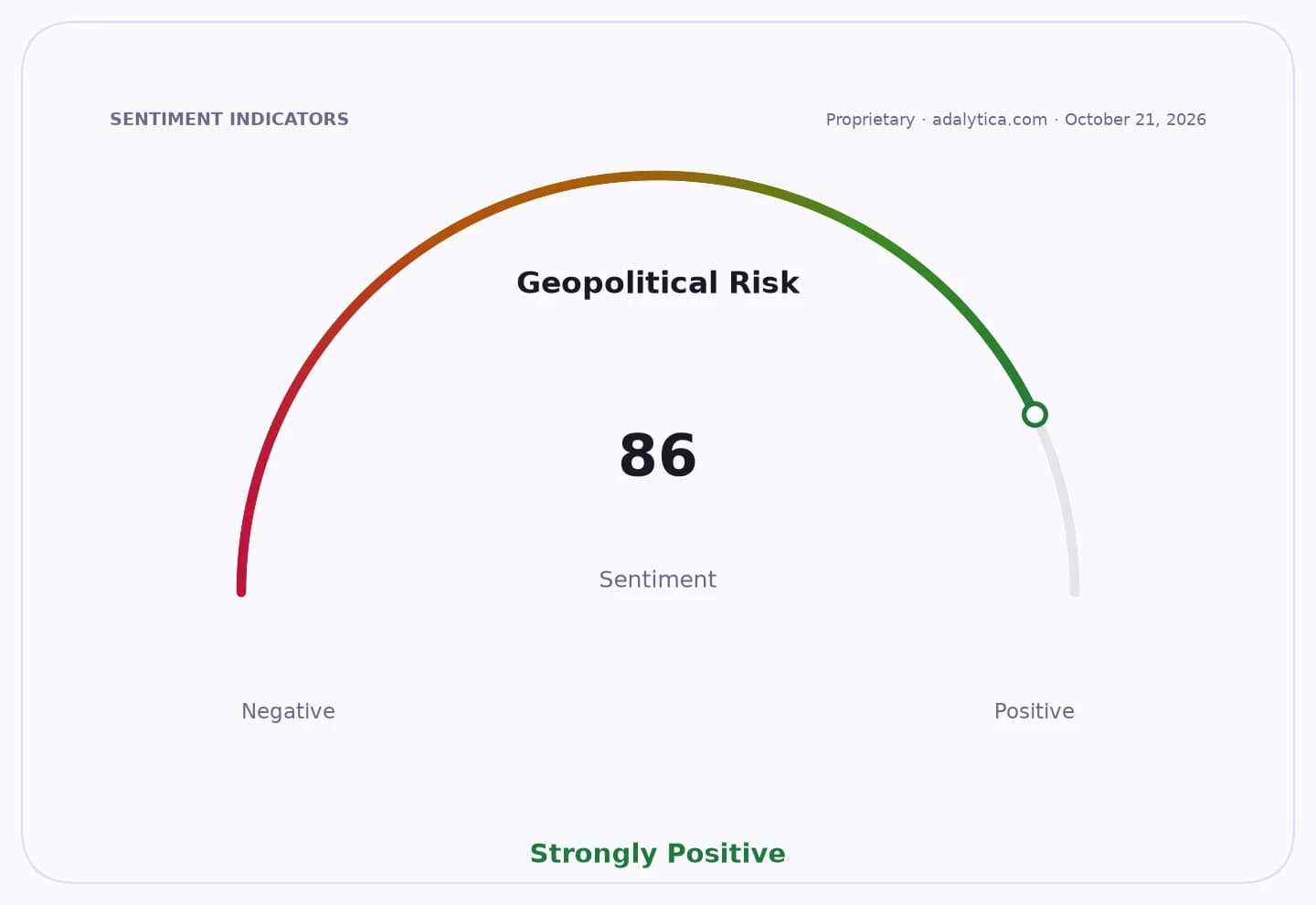
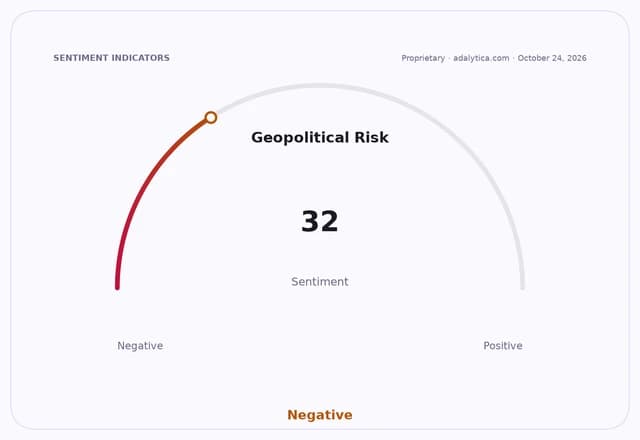
Sentiment IndicatorsⓘProprietary · adalytica.com · October 24, 2026
This is a snapshot — live sentiment, awareness and momentum for 130+ markets update continuously in the dashboard.Open AlphaPulse

France is the clearest flashpoint. What began with anger over schools, teacher shortages and crowded classrooms has broadened into a wider revolt over inflation, gasoline prices, wages and public services. The result has been vehicles burned, public buildings damaged and repeated clashes with police. That combination is corrosive for confidence and, over time, for growth: businesses delay hiring and investment when streets turn volatile, while policymakers become more constrained just as they try to manage deficits.
Spain’s protests carry a different but equally powerful market message. The eviction of an 87-year-old woman in Madrid after an investor tried to push up rent became a national symbol of a housing market where affordability has broken down. Tenant groups are now demanding rent controls and tougher eviction rules, and that is exactly the kind of political pressure that can reshape returns in residential property, real estate investment and urban development. The market may like rental yield, but policy backlash is now part of the equation.
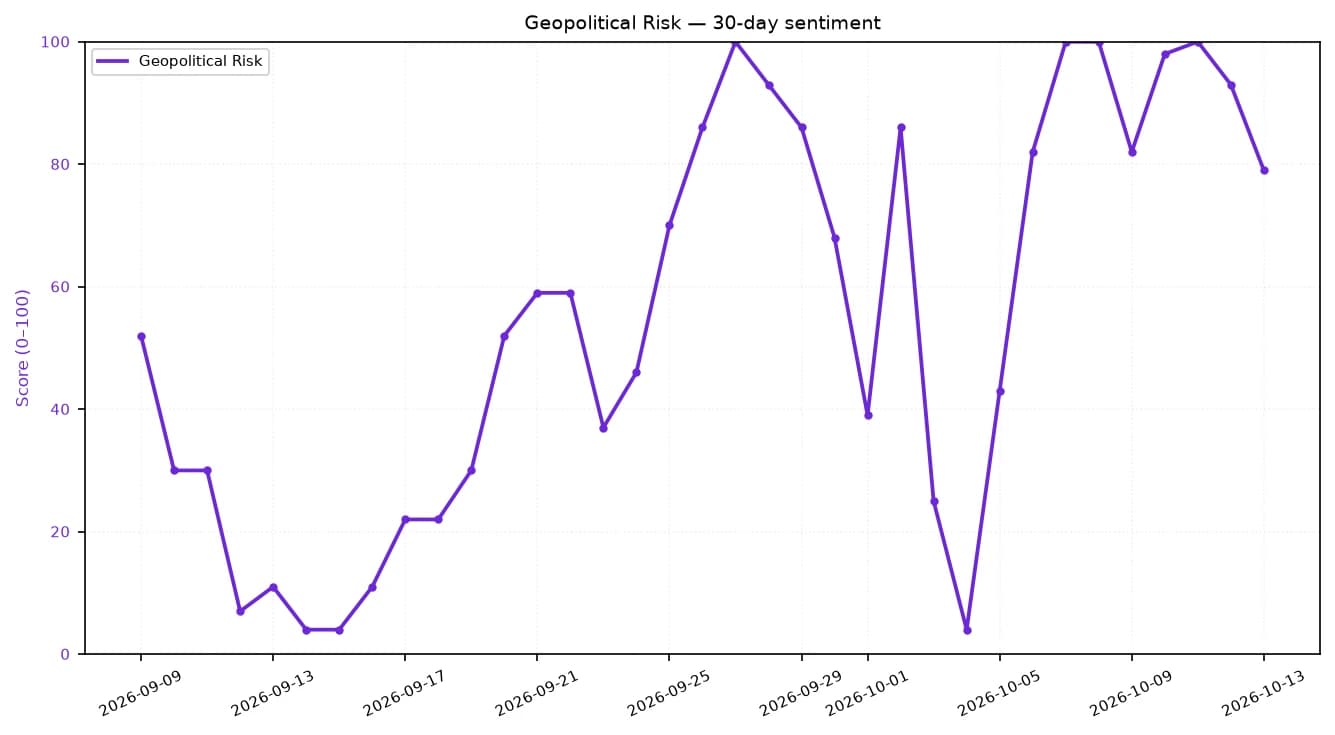
Geopolitical Risk — 30-day sentimentadalytica.com
Explore this data interactively — full history, time series and cross-market comparisons.Open AlphaPulse
Italy and Belgium reinforce the same pattern. In Italy, students, farmers, truck drivers and unions are protesting inflation, fuel costs and the broader squeeze on incomes. In Belgium, unions and public-sector workers are targeting budget cuts and social spending restraint. In both cases, governments are being told that the burden of adjustment cannot fall on workers alone. That makes fiscal reform slower, stickier and more politically expensive.
Brazil adds the market angle most directly. The protests against right-wing candidate Flavio Bolsonaro ahead of the second-round vote on Oct. 25 show how quickly social unrest can become a referendum on policy direction. Investors in Brazilian assets are not just trading an election; they are trading the odds of continuity in public education spending, fiscal discipline and the broader Lula policy mix. The iShares MSCI Brazil ETF, EWZ, has rallied sharply to $42.59, well above its 50-day and 200-day moving averages, but the move is now being tested by a stretched RSI and mixed momentum. That is where the opportunity and the risk sit: a supportive macro backdrop can still coexist with political volatility that caps upside.
For global investors, the message is bigger than any one country. This is what social strain looks like when inflation, austerity and inequality converge. The winners are likely to be businesses and assets exposed to pricing power, essential services and public-security spending. The losers are the sectors most vulnerable to policy backlash: discretionary consumer names, politically sensitive landlords and governments that need calm streets to execute fiscal plans.
I believe the market is underestimating how durable this protest cycle could be. It is not a passing headline. It is a regime shift in politics, with direct consequences for spending, taxation, regulation and asset pricing. The best positioning now is to own the beneficiaries of instability — defense, security, infrastructure and selective inflation hedges — while staying cautious on the parts of Europe and Latin America most exposed to social backlash and policy reversal.
| Entity | Gains | Losses |
|---|---|---|
| Defense and security firms | ▲Higher spending demand | ▼Political calm |
| Tenant rights groups | ▲Policy leverage | ▼Landlord pricing power |
| Public-sector unions | ▲Anti-austerity momentum | ▼Budget-cut reforms |
| Brazil equity bulls | ▲Election premium if volatility eases | ▼Policy uncertainty and unrest |