Around 200 people were arrested in Belgium after weekend demonstrations against education cuts, the federal government and the rise of the far right ended in heavy clashes with police, underscoring growing social unrest across Europe and the political pressure facing governments trying to rein in spending.
Belgium arrests about 200 in education cut protests
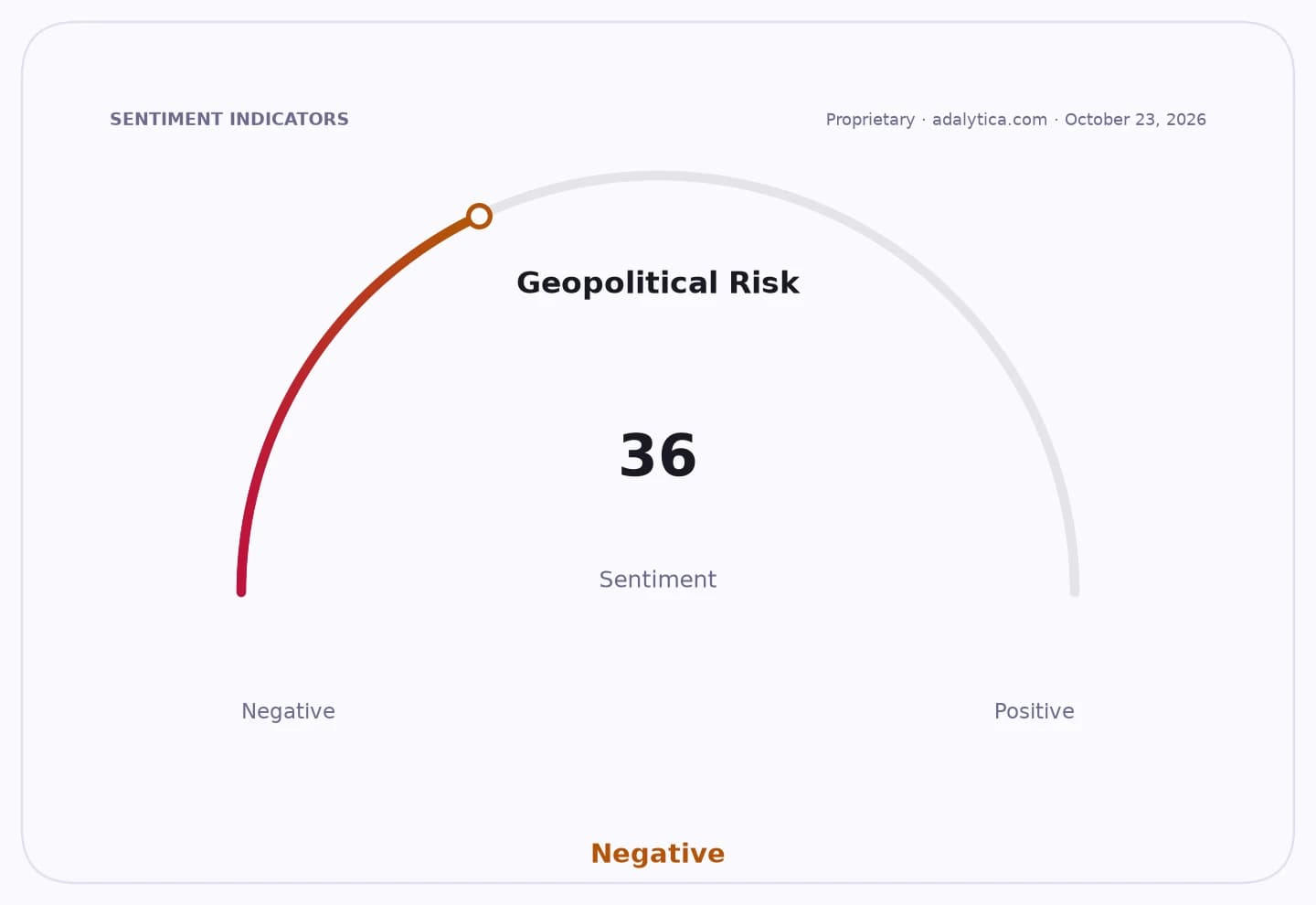
The violence matters because it shows budget tightening is no longer just a fiscal debate in Belgium; it is spilling into the streets and raising the cost of governing. For investors, sustained unrest can add to policy uncertainty, pressure consumer confidence and keep a lid on risk appetite in the region, especially when similar protests are spreading across several European countries.
Sentiment IndicatorsⓘProprietary · adalytica.com · October 22, 2026
This is a snapshot — live sentiment, awareness and momentum for 130+ markets update continuously in the dashboard.Open AlphaPulse
Local authorities said the arrests came after clashes between security forces and protesters on Saturday, part of a wider wave of demonstrations that has also hit France, Italy, Portugal and Albania. France has seen the most severe unrest, with about 1,200 arrests and 150 injuries reported, while the broader regional backdrop points to frustration over inequality, austerity and extremist politics.
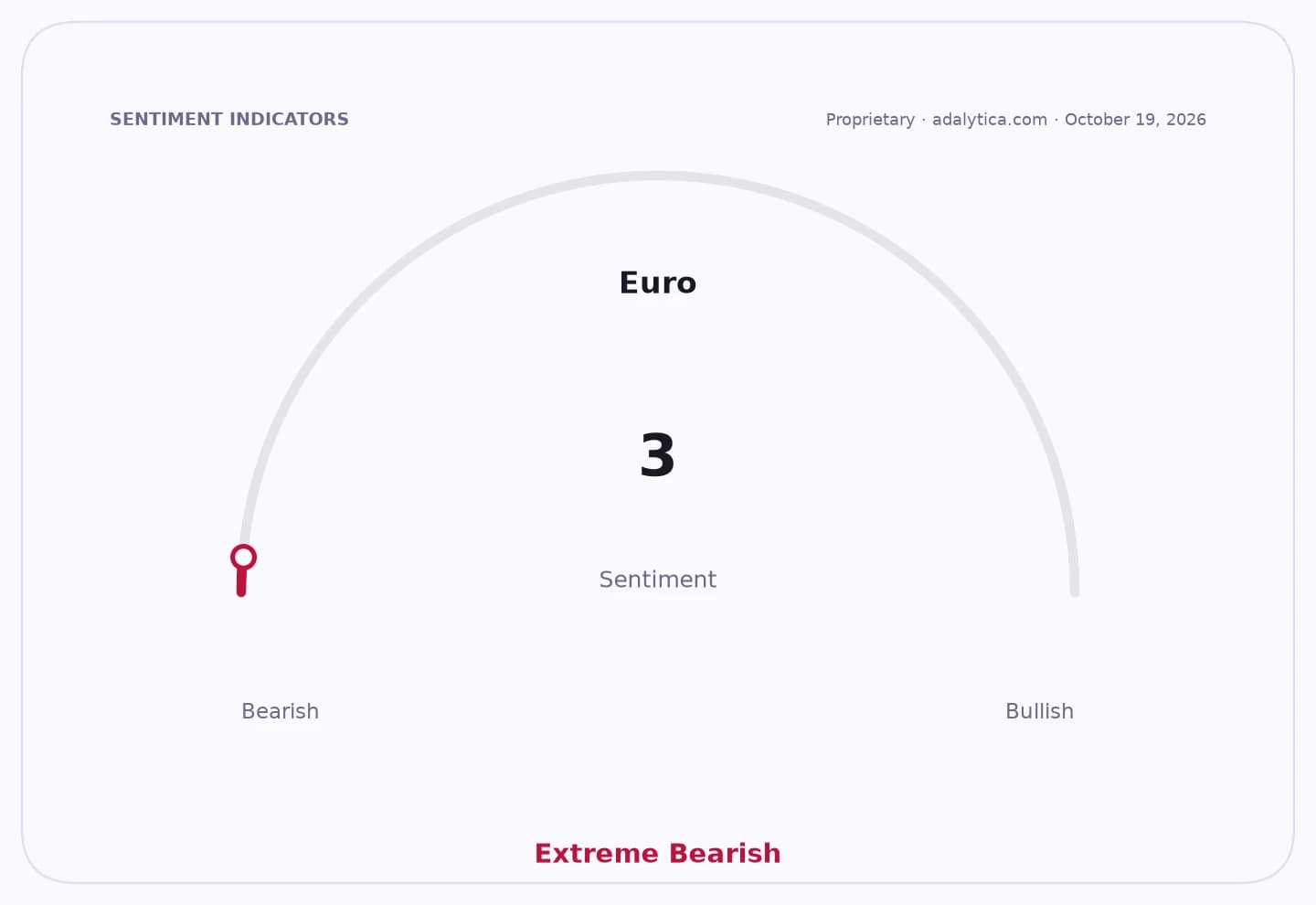
The market relevance is less about an immediate trading shock than the cumulative effect of disorder on Europe’s growth and political stability narrative. The euro also sits in an environment where investor sentiment remains mixed, with Adalytica’s Euro Trade Signals showing neutral readings, while its Global Stability Sentiment gauge is flashing extreme greed even as awareness of instability remains extremely low, suggesting investors are not fully pricing the scale of the unrest.
The key question now is whether Belgian authorities respond with tighter security, concessions on education funding or broader political compromises. If protests continue to spread, the pressure on European governments to balance fiscal discipline with social spending will only intensify.
| Entity | Gains | Losses |
|---|---|---|
| Belgian authorities | ▲stronger security mandate | ▼political credibility |
| Protesters | ▲attention to spending cuts | ▼risk of arrests and injuries |
| European governments | ▲warning on unrest spillover | ▼fiscal flexibility |
| Euro-area investors | ▲clearer policy focus | ▼confidence and risk appetite |