Brazilian President Luiz Inacio Lula da Silva is trying to win over households under pressure, but the price of that politics could be higher borrowing costs if investors conclude the campaign trail is widening the fiscal hole.
Brazil Lula Free Transit Plan Raises Fiscal Concerns
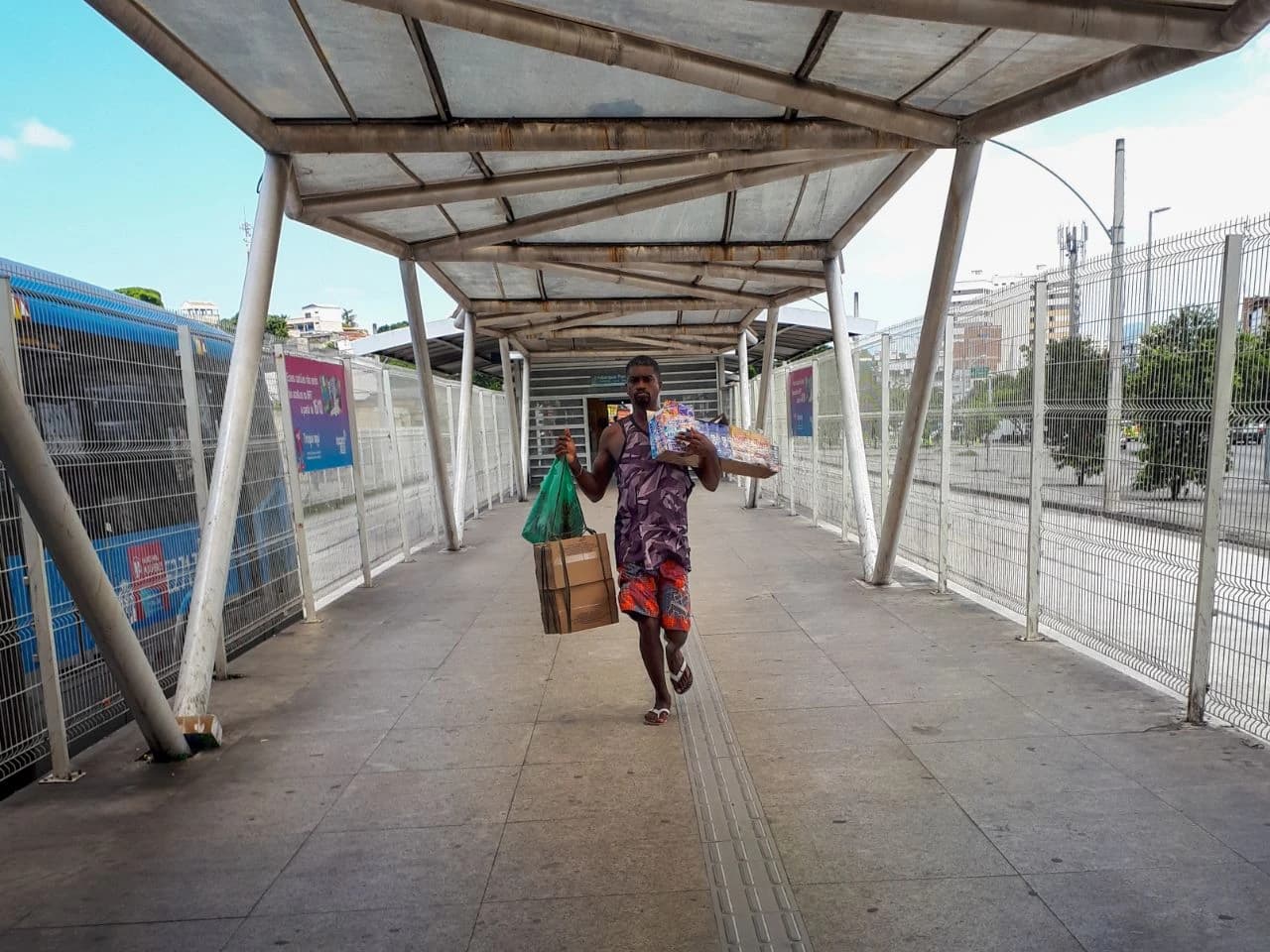
Lula said he will send Congress a constitutional amendment to make public transport free on weekends nationwide, framing the plan as relief for lower-income Brazilians squeezed by record debt and rising interest payments. The move comes less than two weeks before the runoff, where Lula remains narrowly behind in polls, and follows a burst of voter-friendly measures aimed at boosting purchasing power.
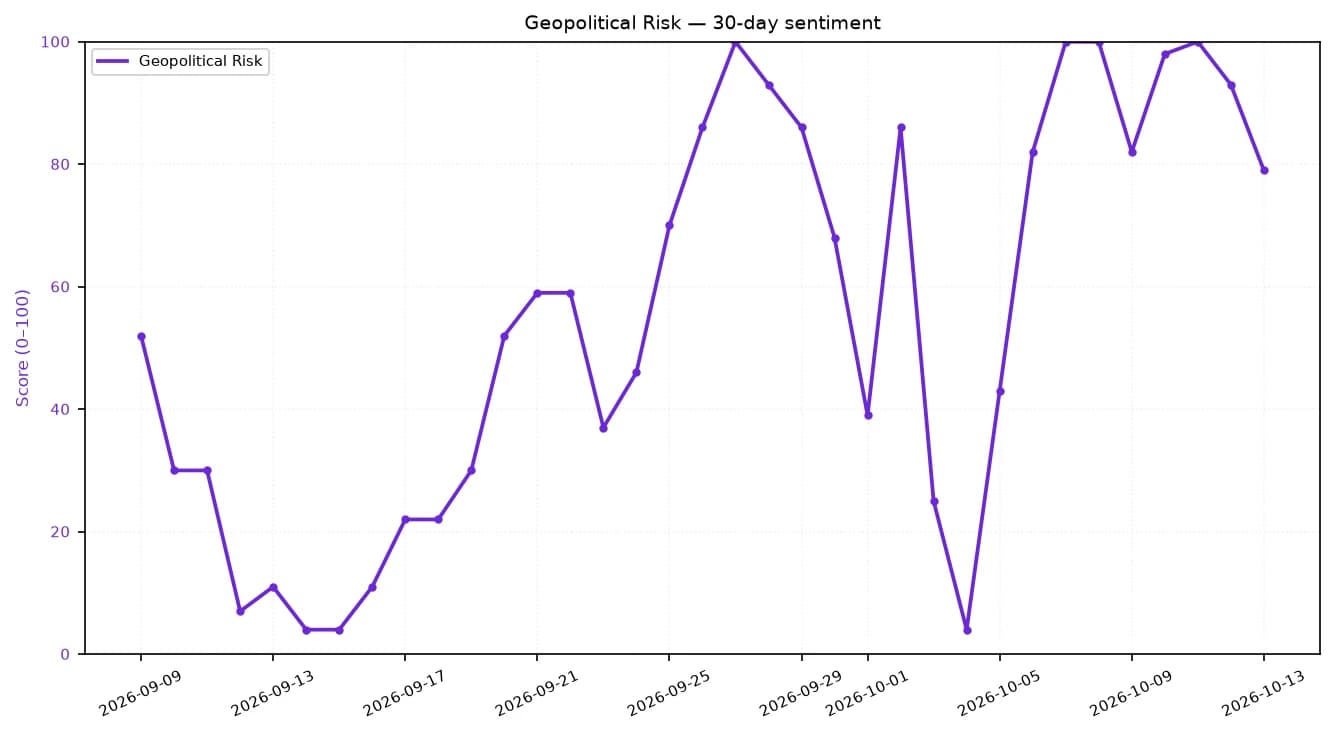
Sentiment IndicatorsⓘProprietary · adalytica.com · October 18, 2026
This is a snapshot — live sentiment, awareness and momentum for 130+ markets update continuously in the dashboard.Open AlphaPulse
For investors, the issue is not the fare subsidy itself so much as the pattern it fits. Brazil has already seen an expansion of fuel subsidies, a 15% increase in Bolsa Familia benefits, debt forgiveness for small entrepreneurs, grants for small businesses and an auction to buy and restructure household debt. That adds up to a broad pre-election stimulus push with no offsetting spending cuts announced, raising the risk that markets start demanding a higher premium for holding Brazilian assets.
That matters because Brazil’s long-term investment case depends on preserving confidence in public finances. If investors decide the government is leaning too hard on the budget to buy support, borrowing costs can rise, debt dynamics worsen and the central bank’s room to maneuver narrows. For a country that needs steady capital inflows to support growth, employment and investment, fiscal slippage is not a political abstraction — it can feed directly into slower expansion and weaker household purchasing power down the road.
The political calculus is clear. Lula is leaning into measures that are easy to understand and easy to sell: cheaper travel, lower household bills, more breathing room for families. Those policies can help at the ballot box, especially when real incomes are under strain and indebted consumers are looking for relief. The Senate’s approval of a measure ending the six-days-on, one-day-off work schedule also gave the government a symbolic win.
But investors should watch the sequencing. Pre-election generosity can be popular in the short run and costly later if it becomes a habit. In Brazil, where fiscal credibility tends to be re-priced quickly, that can be enough to unsettle bond holders, pressure the currency and keep valuations from fully reflecting the country’s growth potential.
For long-term investors, the takeaway is straightforward: Brazil still offers opportunity, but the election is a reminder that policy risk can move just as fast as markets. Free transit may help Lula at the margin; disciplined budgeting will matter much more for anyone investing in Brazil over the next five to 10 years. Worth watching closely.
| Entity | Gains | Losses |
|---|---|---|
| Lula campaign | ▲Votes from lower-income households | ▼Fiscal credibility risk |
| Brazilian households | ▲Cheaper weekend transport | ▼Future inflation risk if deficits widen |
| Bond investors | ▲None obvious | ▼Higher borrowing-cost risk |
| Brazil’s economy | ▲Short-term consumption boost | ▼Longer-term debt pressure |